Let’s face it: by the time we cross the threshold of 60, our bodies have developed a sudden fondness for making noises that belong in a haunted house. A simple pivot out of bed can sound like a bowl of Rice Krispies. While we might like to attribute these soundtrack enhancements to “wisdom,” the more scientific culprit is sarcopenia—the natural, age-related decline of muscle mass. The good news is that you do not need to prepare for the Olympics to quiet the joints down. In fact, you can significantly alter the trajectory of your physical aging using a few basic tools from the comfort of your living room, without ever having to wear neon spandex.
Important Clinical Note: Before clearing a space in your living room and picking up a set of weights, it is vital to consult with your primary care physician or a physical therapist. This is especially true if you are managing pre-existing conditions like osteoarthritis, osteoporosis, or cardiovascular concerns, as they can provide specific boundaries for your safety.
The Clinical Reality: Why Muscle Matters
According to the American College of Sports Medicine (ACSM), adults lose an average of 3% to 8% of their muscle mass per decade after age 30, a rate that accelerates sharply after age 60. This loss is closely linked to a reduction in bone mineral density and a higher risk of balance disruptions.
Physiological studies demonstrate that progressive resistance training can reverse muscle wasting and improve functional mobility even in individuals in their 90s. Building muscle is not a matter of aesthetics; it is the physiological foundation for preserving physical autonomy, reducing falls, and supporting metabolic health.
4 Rules of Engagement for Mature Training
When modifying a fitness routine for later life, the goal shifts from breaking personal records to enhancing functional longevity. Four core principles ensure safety and efficacy:
- Keep it Simple: There is no need for complex, acrobatic fitness trends. Focus entirely on foundational, multi-joint movements that replicate daily life: squats (sitting up from a chair), lunges (stepping over obstacles), and rows (pulling open heavy doors).
- Low Speed, Controlled Load: Fast, jerky movements put unnecessary shear stress on aging tendons. Use lower, manageable weights and move through each repetition slowly and with absolute control. This isolates the target muscle while keeping your joints protected.
- Prioritize Mobility and Warm-Ups: As we age, the volume and consistency of synovial fluid—the natural lubricant inside our joints—decreases. Dedicate 10 to 15 minutes to gentle joint mobility before lifting, and another 10 to 15 minutes to static stretching afterward.
- Measure Progress by Quality of Life: Your progress should not be measured by the numbers on a barbell, but by how easily you navigate your environment. If climbing the stairs feels less demanding or carrying groceries causes less fatigue, your program is working.
The 5 Essential Strength Tools for Older Adults
To execute a safe and progressive home program, you do not need a garage full of commercial gym machinery. A curated setup of five specific tools is sufficient to target every major muscle group.
1. Resistance Bands
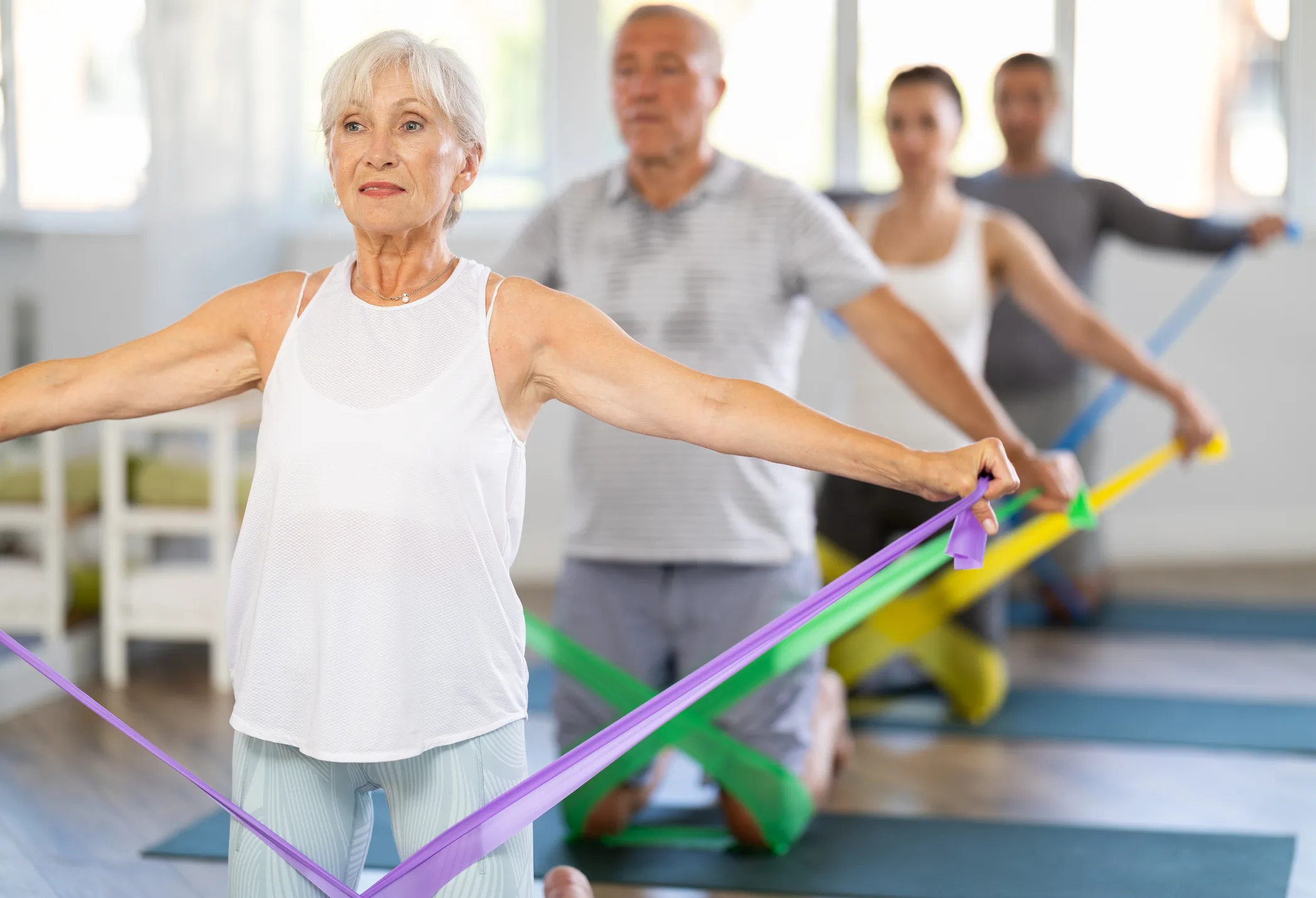
Resistance bands are widely considered the safest starting point for older adults due to their unique physiological profile. Unlike free weights, which rely on gravity, bands provide “ascending resistance”—the tension increases smoothly as the band stretches. This inherent property protects weak joints at their most vulnerable angles while maximizing muscle engagement at the peak of the movement. They are highly versatile and can be used effectively from both standing and seated positions.
2. Adjustable Dumbbells
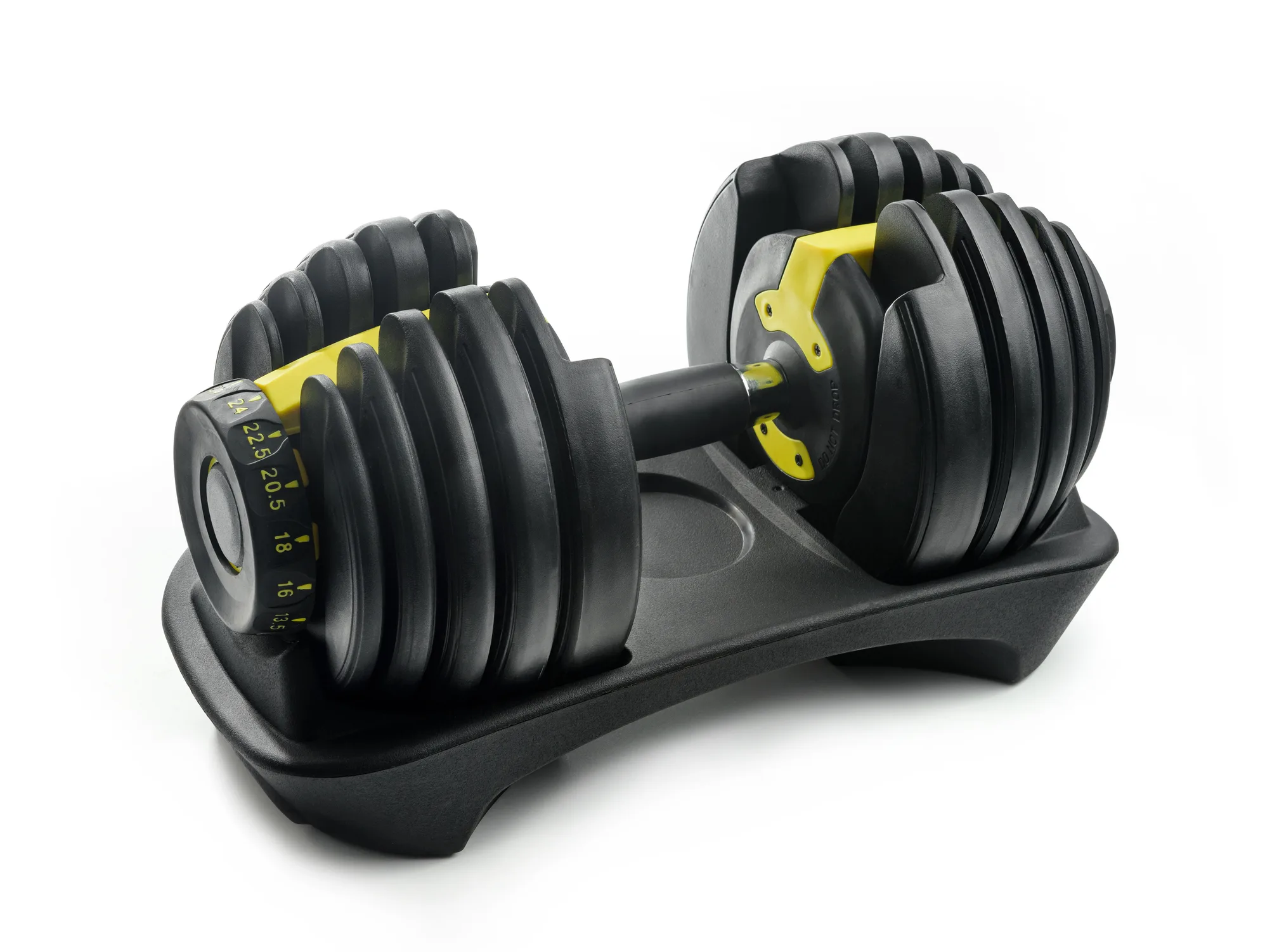
Maintaining muscle mass in your hands, forearms, and shoulders is vital for everyday dexterity and grip strength. To achieve this safely, choose adjustable dumbbells that allow you to increase weight in minimal, precise increments (such as 0.5 kg to 1 kg steps). Look for systems with dial-turning or quick-release mechanisms so you do not have to struggle with manual spin-collars or balancing loose weight plates.
3. Adjustable Gym Bench
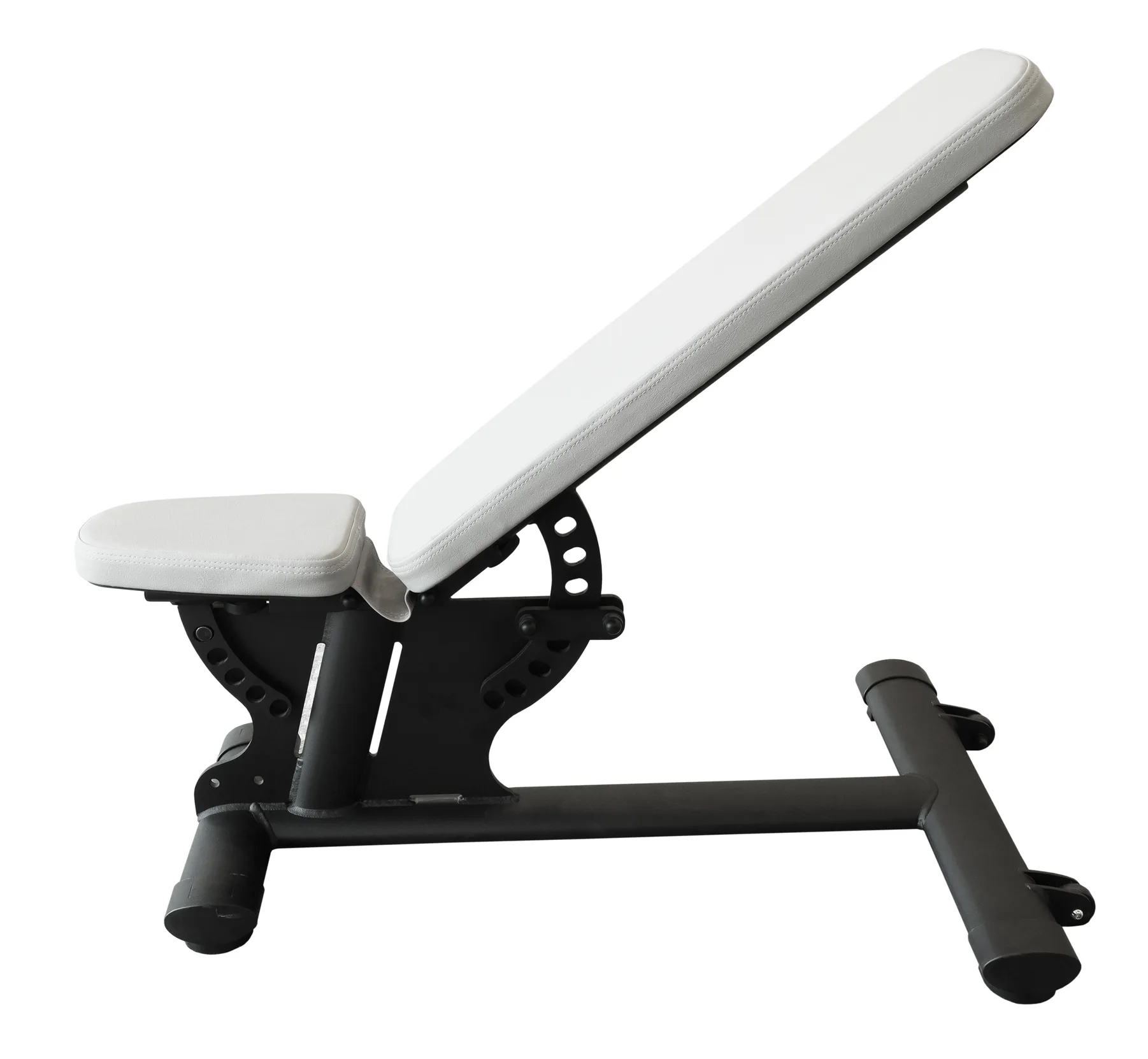
An adjustable bench provides a stable foundation that removes balance limitations from your workout, allowing you to focus entirely on pushing or pulling movements. It enables safe execution of seated shoulder presses, supported rows, and step-ups.
When choosing a bench, look for a heavy-duty steel frame with non-slip base caps to prevent wobbling. The seat height should ideally rest between 16 and 18 inches (40 to 45 cm), allowing you to plant your feet firmly flat on the floor for spinal stability. Ensure there is minimal gap between the seat and the backrest when flat so your lower spine is fully supported.
4. Ankle and Wrist Weights
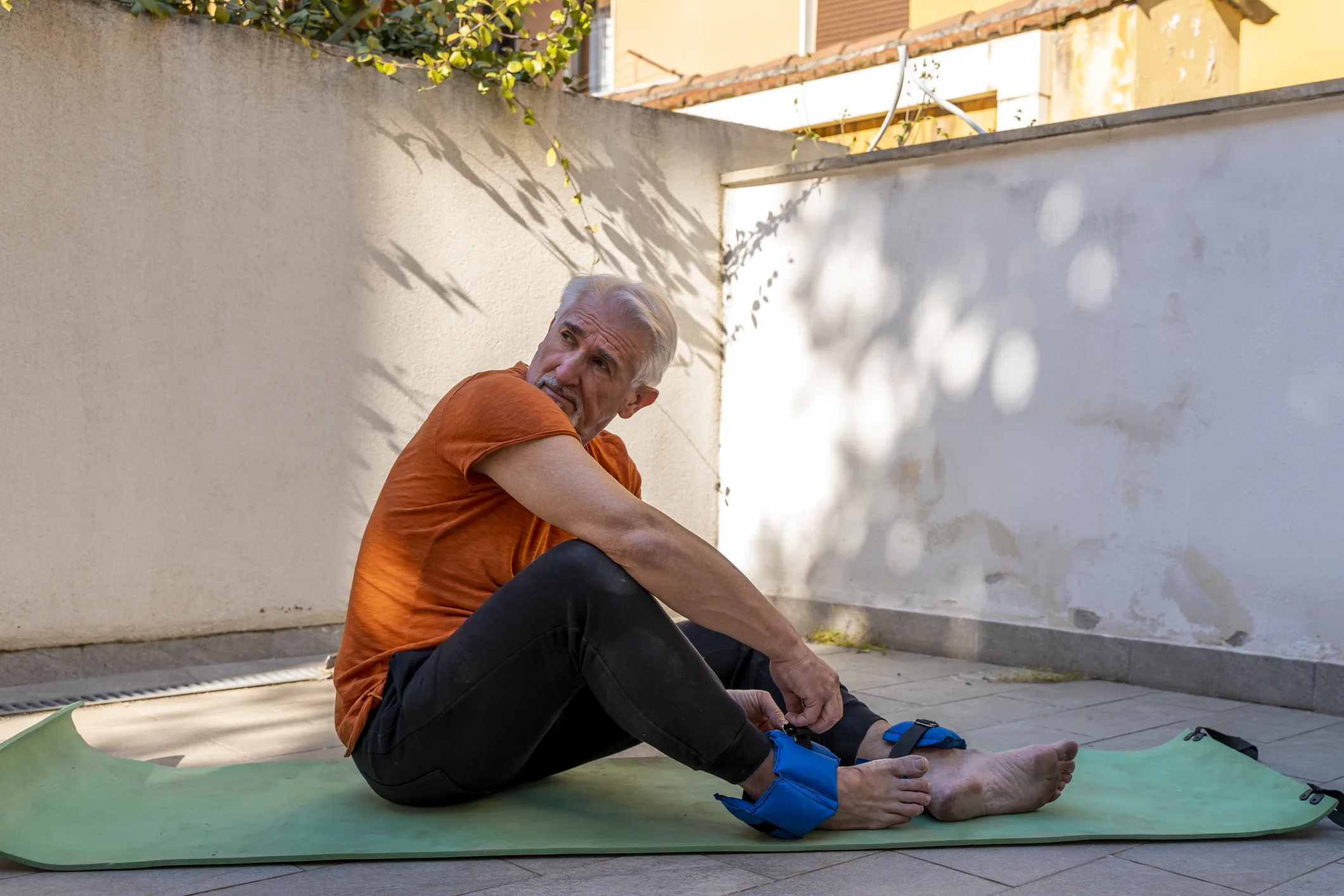
These wearable weights are an excellent, low-profile mechanism for stimulating bone density and micro-musculature in the extremities. They are highly effective for augmenting low-impact activities like walking or performing seated leg lifts. Begin very conservatively with 0.5 kg (1 lb) to 1 kg (2.2 lbs) per limb; overloading peripheral joints can place excessive strain on delicate ligaments and tendons.
5. A Yoga Mat (High-Density)
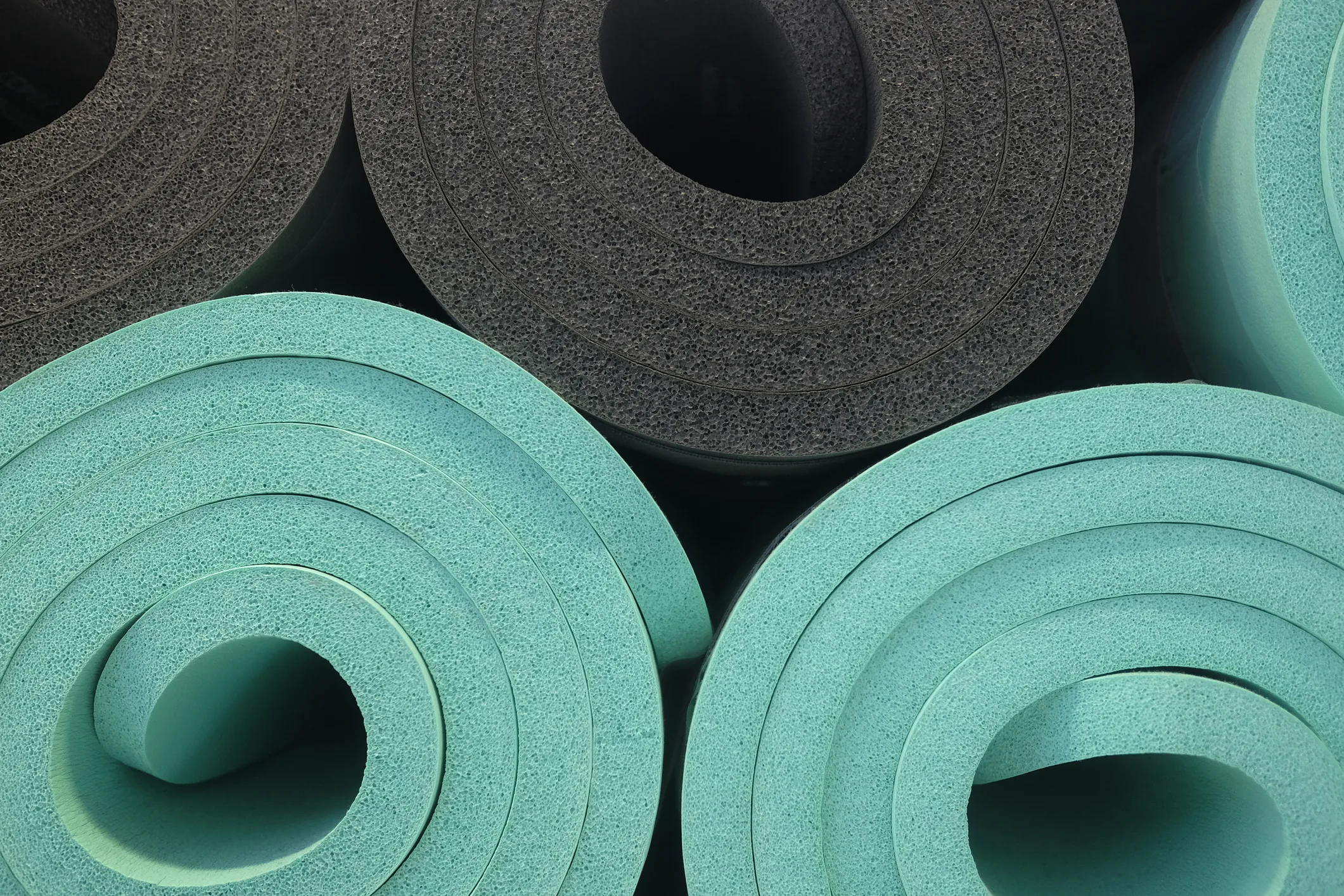
A premium, high-density mat is required for any floor-based core exercises, bird-dogs, or planks. Standard, thin mats offer minimal cushioning, which can cause significant discomfort to sensitive knee joints, elbows, and spinous processes. Opt for a mat with a non-slip texture on both sides to prevent the material from sliding on hardwood or tile floors during transitions.
Equipment Selection Blueprint
| Equipment Type | Primary Functional Benefit | Key Selection Criterion |
| Resistance Bands | Joint-friendly, ascending tension | Multiple color-coded tension levels |
| Adjustable Dumbbells | Grip and upper-body strength | Micro-increments (0.5–1 kg changes) |
| Adjustable Bench | Eliminates balance interference | 16–18 inch height, non-slip base |
| Ankle/Wrist Weights | Promotes extremity bone density | Removable weight pouches for progression |
| High-Density Mat | Protects bony prominences | Thick cushioning with dual-sided grip |
Takeaway
Ultimately, investing in a few strategic pieces of equipment is far more economical—and significantly less disruptive—than dealing with the physical toll of accidental injury or preventable muscle wasting. You don’t have to train until you pass out; you just have to train consistently enough that your grandchildren stop offering to carry your luggage. After all, maintaining your independence means being able to open your own stubborn pickle jars well into your eighties, and that alone is worth the weight of a few dumbbells.