If you have made it past sixty, you have survived bad hair decades, volatile stock markets, and decades of conflicting dietary advice. You have earned the right to enjoy real ice cream without feeling like you are committing a felony. The key to enjoying frozen desserts in your golden years isn’t buying low-fat tubs that taste like sweetened cardboard; it is taking total control of the ingredients in your own kitchen.
Nutritional and Clinical Considerations for Adults 60+
Crafting homemade ice cream allows older adults to tailor high-density nutrition to their specific physiological needs.
- Food Safety and Pathogen Elimination: Aging is naturally accompanied by immunosenescence—a gradual decline in immune system efficiency. Traditional unheated egg recipes present a risk of Salmonella infection. Cooking the custard base until it reaches 170°F (77°C) ensures complete pasteurization of egg yolks, rendering the base safe for consumption.
- Protein and Micronutrient Support: Sarcopenia (age-related loss of skeletal muscle mass and strength) requires higher protein density in dietary intake. Egg yolks provide high-quality proteins, bioactive lipids, and essential micronutrients like choline (supporting cognitive neural pathways) and lutein/zeaxanthin (supporting macular health). Whole dairy supplies bioavailable calcium and vitamin D crucial for maintaining bone mineral density.
- Countering Sensory Decline: Sensory perception naturally changes after age 60. A reduction in taste bud density and olfactory sensitivity can make foods taste bland, often leading people to over-sweeten their food. Utilizing aromatic infusions (such as whole spices, tea, or citrus zest) stimulates the olfactory receptors, enhancing perceived sweetness and flavor intensity without requiring additional refined sugars.
- Glycemic Control and Energy Density: For seniors managing Type 2 diabetes or insulin sensitivity, homemade custard allows precise sugar modulation. Reducing sugar by up to 25% or substituting a portion with fruit purees or natural bulk sweeteners helps limit postprandial glucose spikes while maintaining texture.
The Master Ice Cream Base
This classic French-style custard base provides a stable emulsion of milkfat, water, and egg proteins, resulting in a smooth texture that minimizes ice crystal formation.
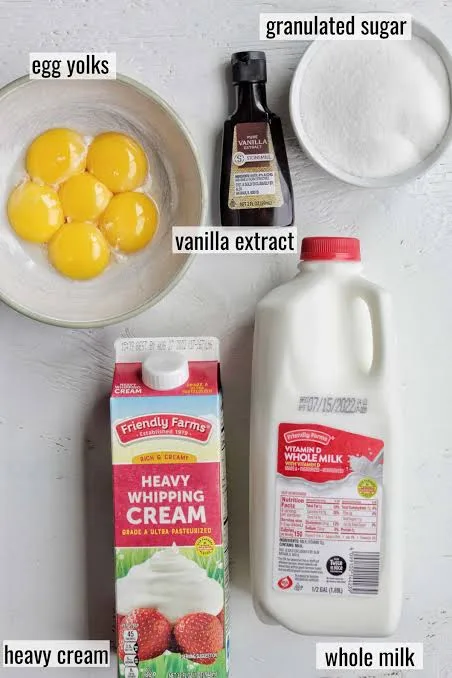
Ingredients
- 2 cups heavy cream
- 1 cup whole milk (or low-lactose milk)
- ⅔ cup granulated sugar (can be adjusted to ½ cup for reduced sugar)
- ⅛ teaspoon fine sea salt
- 6 large egg yolks
- Flavorings of choice (see variation methods below)
Core Preparation Steps
- Heat Dairy and Dissolve Solutes: In a small saucepan, combine heavy cream, whole milk, sugar, and sea salt. Heat over medium-low, stirring occasionally until the sugar completely dissolves (approximately 5 minutes). Remove from heat.
- Temper the Egg Yolks: In a separate medium bowl, whisk the 6 egg yolks until smooth. Constantly whisking, slowly pour about one-third of the warm cream mixture into the egg yolks. This gradually raises the temperature of the yolks without scrambling them.
- Cook to Gelatinization Temperature: Pour the tempered yolk mixture back into the saucepan with the remaining cream. Return the pan to medium-low heat. Stir constantly with a heatproof spatula until the mixture thickens slightly and reaches 170°F (77°C) on an instant-read thermometer, or coats the back of a spoon. Do not allow it to boil.
- Strain, Chill, and Churn: Immediately strain the custard through a fine-mesh sieve into a clean bowl to remove any accidental solids. Cool to room temperature, then cover and chill in the refrigerator for a minimum of 4 hours (preferably overnight). Churn in an ice cream maker according to the manufacturer’s directions.
Flavor Variation Techniques
By mastering four fundamental techniques, this single master base can be transformed into dozens of specialized flavors.
1. Infusion Method (Herbs, Spices, and Aromatics)
- Cinnamon or Cardamom: Grind 1 whole cinnamon stick or 1 teaspoon cardamom pods with the sugar in a food processor before adding to the dairy.
- Coffee or Tea: Add ¼ cup dark roast coffee beans (coarsely ground) or ¼ cup high-grade green/black tea leaves to the heating dairy. Remove from heat and allow to steep for 30 minutes off the heat before straining out the solids and proceeding to temper the yolks.
- Citrus or Mint: Blend the sugar with the zest of 3 lemons/limes or 1 cup of fresh mint leaves until pulverized. Use this flavored sugar in Step 1.
2. Pureed Fruit Method (High Antioxidant & Fiber Additions)
- Berry (Strawberry or Raspberry): Omit the 1 cup whole milk from the base. Purée 1 pound of fresh or thawed berries with 3 tablespoons sugar and ½ teaspoon lemon juice. Stir the raw berry purée directly into the warm, strained custard base before chilling.
- Banana or Peach: Purée 4 very ripe bananas or 2 cups sliced peaches with 2 tablespoons sugar, 1 teaspoon lemon juice, and ½ cup buttermilk. Stir into the warm base in place of the whole milk.
3. Chocolate and Caramel Systems
- Dark Chocolate: Melt 1 cup of high-percentage dark chocolate (70%+ cocoa content for higher polyphenols) into ¾ cup warm cream and 3 tablespoons cocoa powder. Adjust the base to use 1½ cups milk, ¾ cup sugar, and no heavy cream. Combine the chocolate mixture with ¾ cup crème fraîche or sour cream and stir into the cooked base.
- Butterscotch & Bourbon: Melt ¾ cup sugar with 3 tablespoons water until deep mahogany brown. Whisk in the dairy carefully, proceed with the base recipe, and stir in 1 tablespoon bourbon prior to chilling.
4. Nut Fats and Botanical Lipids
- Pistachio or Peanut Butter: Nut butter adds heart-healthy monounsaturated fats. Whisk 1 cup of unsweetened smooth pistachio paste or natural smooth peanut butter into the warm, strained custard base until fully integrated.
- Toasted Almond or Coconut: Toast 1 cup of sliced almonds or unsweetened shredded coconut in the dry saucepan until deeply golden. Proceed with the base using equal parts whole milk and heavy cream (or coconut milk), allowing the mixture to steep for 1 hour off the heat to extract flavor before straining firmly.
Takeaway
Making your own ice cream is one of those rare culinary end-runs where you get to control every gram of sugar, eliminate artificial stabilizers, and ensure your dessert isn’t largely made of air. Just remember to keep your portions reasonable—at this stage in life, your joint replacements don’t need any extra weight to support.
Source:
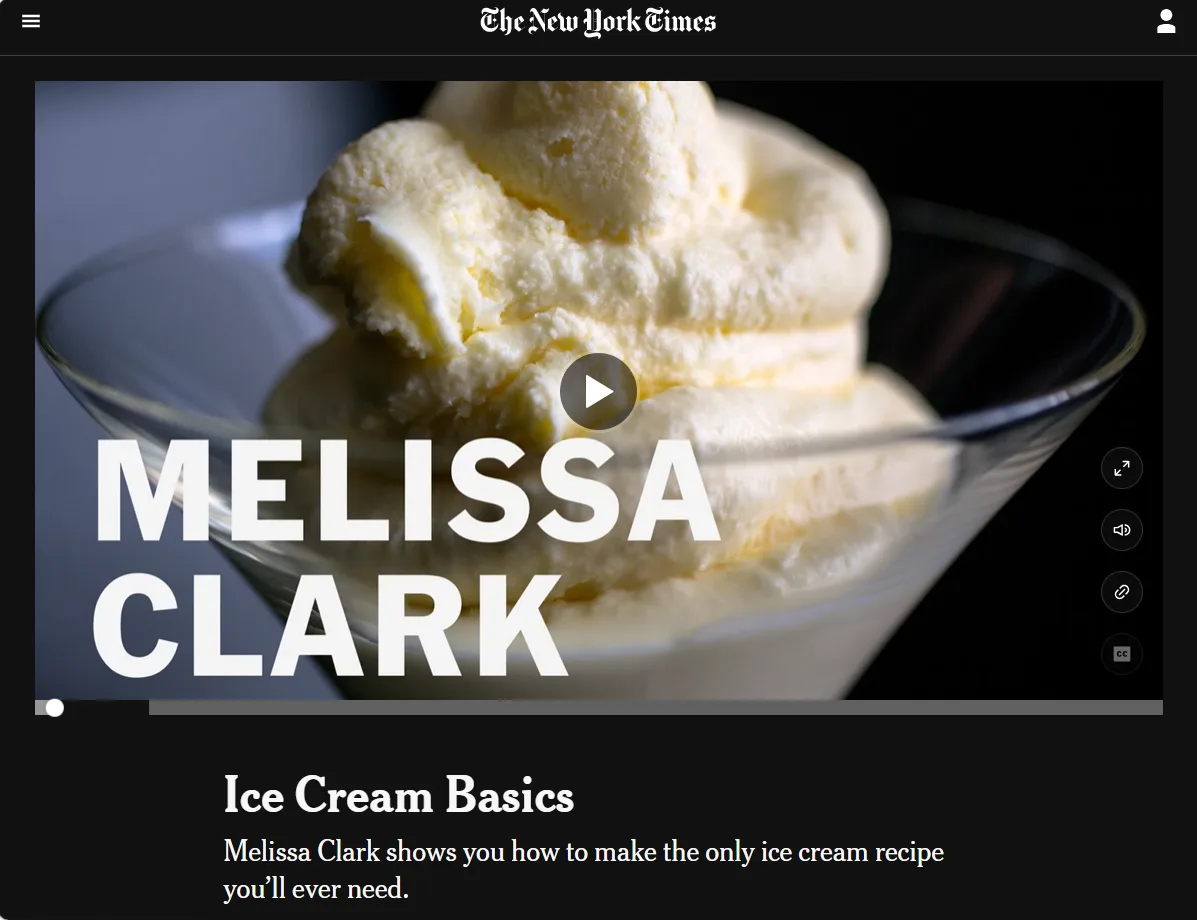
This ‘Master Recipe’ Unlocks Every Ice Cream Flavor You Could Ever Want