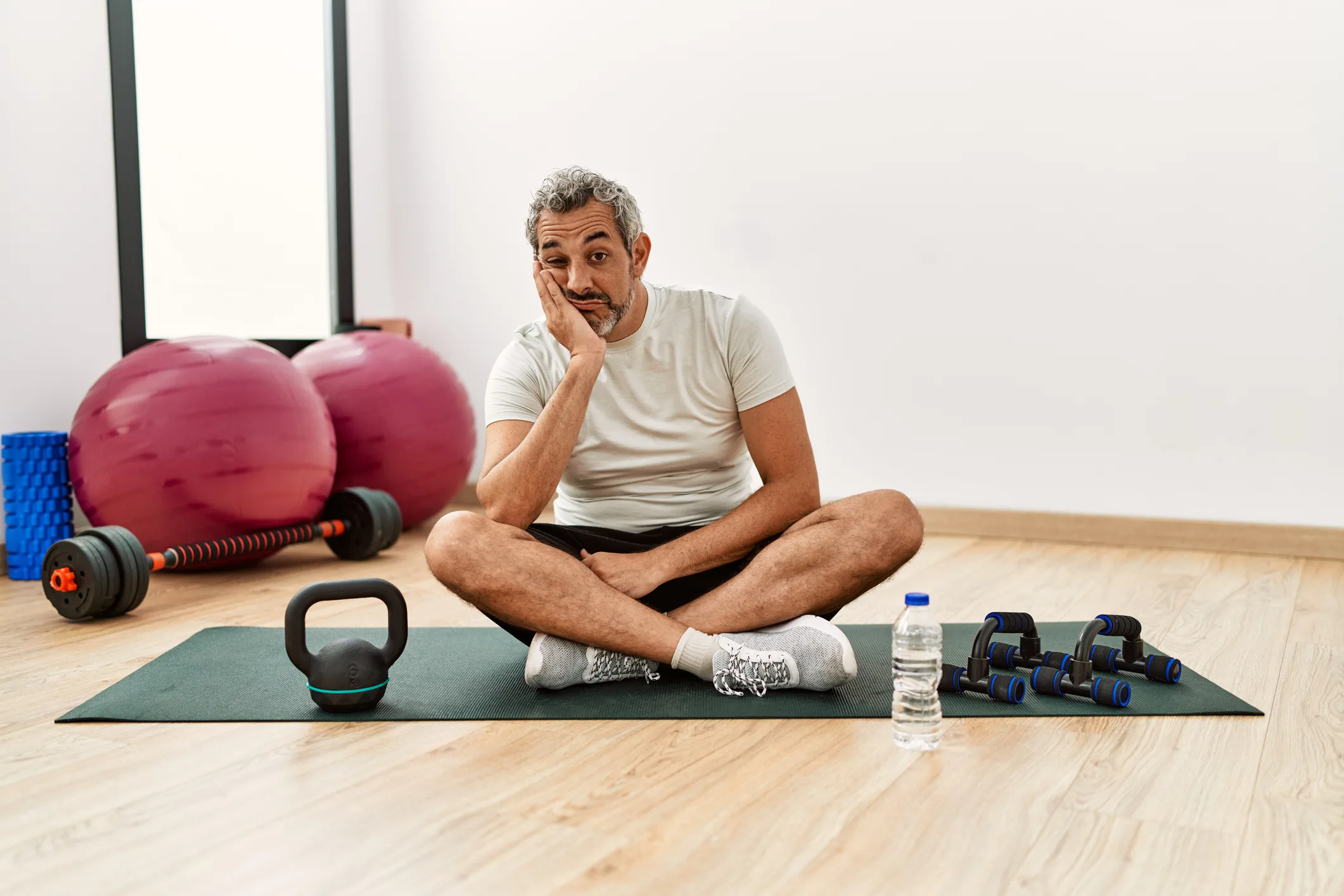
If you open Instagram or TikTok on any given day, you will likely find a 22-year-old fitness influencer explaining why you need to balance on a Bosu ball while lifting kettlebells over your head. Unless your ultimate goal in life is an emergency room visit, you can safely scroll past. For adults over 60, strength training isn’t about chasing viral trends or preparing for Mr. Universe—it is about keeping your independence, preserving your joints, and lifting your own groceries without groaning.
Why Resistance Training Matters for Older Adults
Aging causes a natural loss of skeletal muscle mass and strength, a condition known medically as sarcopenia. Starting around age 30, muscle mass declines by roughly 3% to 8% per decade, with the rate accelerating significantly after age 60.
Regular resistance training directly counters this decline by providing several clinical benefits:
- Preserving Muscle & Metabolic Health: Building lean muscle mass slows age-related functional decline and improves glucose regulation.
- Enhancing Bone Mineral Density: Mechanical loading on bones stimulates osteoblast activity, helping prevent osteoporosis and fractures.
- Improving Functional Mobility: Greater muscular strength translates directly into improved gait speed, balance, and ease with daily tasks like standing up or climbing stairs.
“The majority of seniors should be spending more time doing exercises that focus on longevity and function rather than how we look in a T-shirt—though you might be surprised at just how good you look, and feel, after a few months of working out.”
— Jill Barker, Fitness Columnist
Official Guidelines: What the ACSM Recommends
The American College of Sports Medicine (ACSM) updated its Progression Models in Resistance Training for Healthy Adults, confirming that healthy older adults can follow training principles similar to younger demographics when tailored for past injuries, joint health, and existing medical conditions.
ACSM Core Parameters for Older Adults
- Frequency: 2 to 3 days per week on non-consecutive days.
- Intensity: 60% to 80% of one-repetition maximum (1RM).
- Volume: 1 to 3 sets per exercise; 8 to 12 repetitions per set.
- Rest Intervals: 1 to 3 minutes of rest between sets to allow full muscular recovery.
- Equipment: A balanced combination of free weights and weight machines targeting both single-joint and multi-joint movements.
A Proven 16-Week Evidence-Based Routine
A study published in the Journal of Aging and Physical Activity evaluated a structured weight training program specifically tailored for women over 60 following ACSM protocols.
Key Elements of the Protocol
- Warm-Up: 5 to 10 minutes of light-intensity cardiovascular movement.
- Exercise Selection: Eight basic resistance exercises covering all major muscle groups:
- Upper Body: Chest press, seated row, triceps pushdown, preacher curl with barbell.
- Lower Body & Core: Horizontal leg press, knee extension, seated calf raise, abdominal exercise.
- Execution & Load: 10 to 15 repetitions per set, selecting a weight where the final repetitions feel challenging (near temporary muscle fatigue).
- Rest: 1 to 2 minutes between sets and up to 3 minutes between different exercises.
Measured Study Outcomes
At the end of the 16-week intervention, participants demonstrated statistically significant improvements in:
- Upper-body and lower-body muscle endurance.
- Agility and dynamic balance (reducing fall risks).
- Gait speed and overall physical capacity.
Principles of Long-Term Success
To continue benefiting from resistance training, workouts must progress over time.
- Apply Progressive Overload: Muscles adapt to a given load. Once you can comfortably perform 1 or 2 repetitions over your target goal for two consecutive sessions, increase the resistance weight by 2% to 10% (smaller increases for upper body/small muscles, larger for lower body/large muscles).
- Prioritize Individualization: A template routine serves as a foundation, but working with a certified strength and conditioning specialist ensures modifications for joint health, blood pressure, or past injuries.
- Avoid Unverified Advice: Avoid social media workouts designed for aesthetics or novelty. Focus on fundamental, controlled compound movements.
Takeaway
While you might not be training to flip tractor tires or win powerlifting trophies, taking a methodical approach to lifting weights will pay lifelong dividends. You will move better, stand taller, and likely surprise yourself with your strength. So leave the fancy acrobatics to the youngsters—your muscles, bones, and joints will thank you for sticking to the basics.