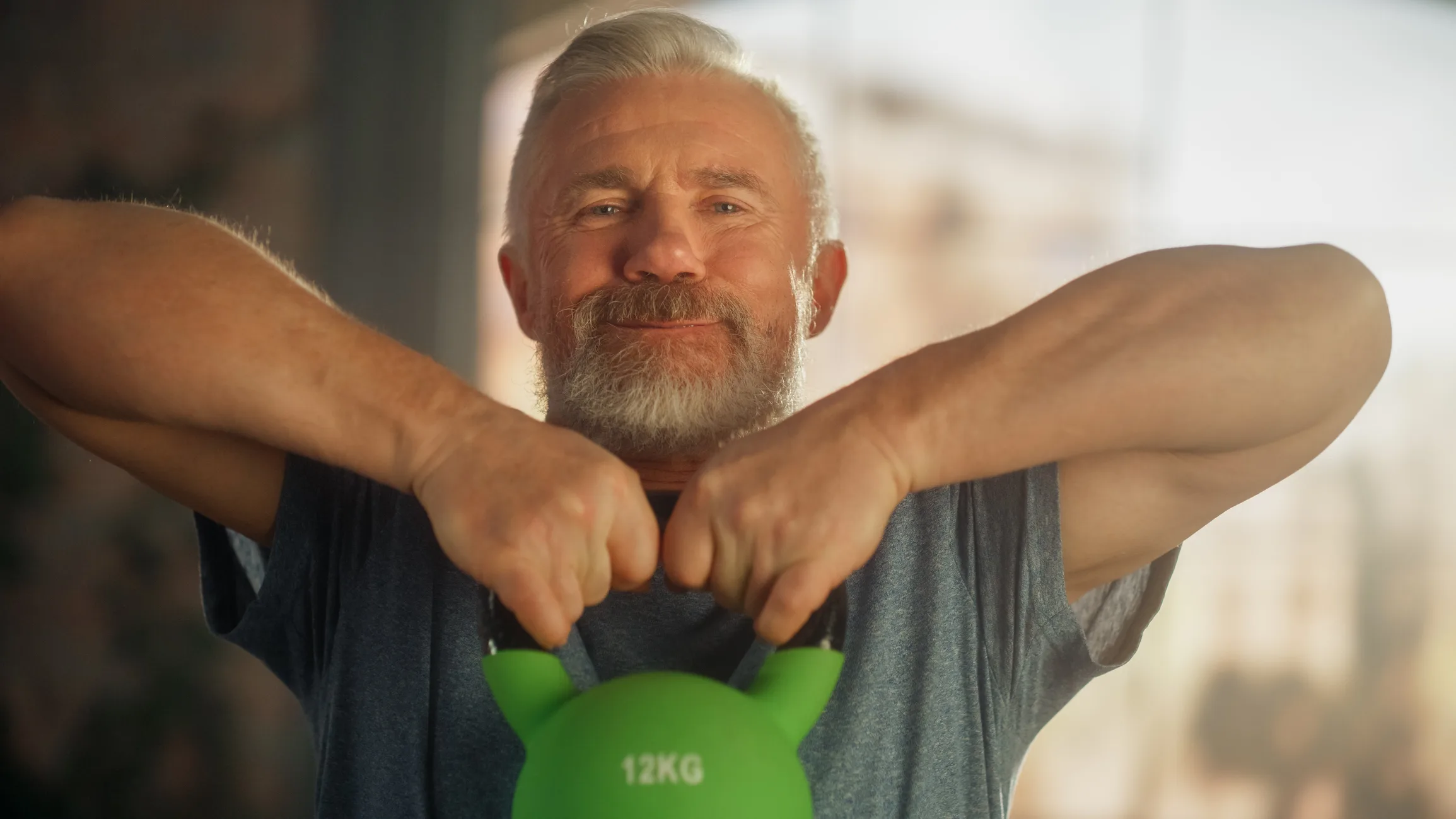
As we age, keeping our muscles strong becomes incredibly important. Strength training isn’t just about looking good; it helps us maintain independence, improve balance, and even protect our bones. But for many older adults, the idea of long, exhausting gym sessions can be daunting. What if you could get stronger and build muscle with less time and effort? New research from Florida Atlantic University suggests that for strength training, a “less is more” approach might be the key, especially for older adults.
Understanding Your Workout: Volume and Frequency
When we talk about exercise, two terms often come up:
- Volume: This simply means the total amount of work you do in a single exercise session. Think of it as the number of “sets” you complete for an exercise.
- Frequency: This is how often you work a particular muscle group during the week.
Many people believe that doing more sets and spending more time in the gym automatically leads to better results. However, this new study looked closely at how much work is truly needed to see real gains in muscle size and strength, especially for single workouts.
The Study’s Simple Discovery: Quality Over Quantity
Researchers at Florida Atlantic University dove into many existing studies to see how different amounts of training (volume) in one session affected muscle growth and strength. Their findings offer a helpful guideline, particularly for older adults:
-
Strength Gains Happen Quickly: For building strength, the study found that you see the biggest benefits from the very first few “direct” sets you do. A “direct” set means an exercise that specifically targets the muscle or movement you’re trying to make stronger. For example, if you want to improve your leg strength, a squat is a “direct” set for your legs. After just one or two really focused, challenging “direct” sets for a muscle group in a single workout, the extra benefits from doing more sets become very small. In fact, beyond about two direct sets for strength, adding more work didn’t lead to much more strength gain.
-
Muscle Growth Also Has a Limit: For making muscles bigger (muscle growth), you can do a bit more work, up to about 11 “fractional” sets in one session. A “fractional” set includes the main exercise plus any other exercises that help those muscles, even if they aren’t the main focus. Beyond 11 sets, the extra muscle growth from doing more work was also very small and less consistent.
This means there’s a “tipping point” where adding more sets doesn’t give you much more benefit. Instead, it mainly adds to your fatigue and takes up more time.
What This Means for Older Adults
This research is fantastic news for older adults looking to stay strong and healthy:
- Short, Focused Workouts are Effective: You don’t need to spend hours in the gym. For building strength, one or two very focused, challenging sets per exercise is likely enough. This makes workouts less intimidating and easier to fit into a busy schedule.
- Consistency is Key: Instead of long, infrequent workouts, aim for shorter, more frequent sessions throughout the week. For example, instead of one long session, try two or three shorter sessions. This regular, smaller dose of training can be more effective for strength gains and easier on your body for recovery.
- Prioritize Intensity (Safely!): When you do those one or two sets, make them count. This means choosing a weight that feels challenging for 8-12 repetitions, but always making sure you can maintain good form to prevent injury. Always consult with a doctor or physical therapist before starting a new exercise program.
- Less Fatigue, Better Recovery: By doing just enough work, you’ll likely feel less tired after your workouts. This improved recovery means you’ll be ready for your next session sooner and reduce the risk of overtraining or injury.
As Michael C. Zourdos, Ph.D., a senior author of the study, puts it, “You don’t need lengthy gym sessions to get stronger or build muscle. For busy people, that’s great news: you can train smarter, not longer, and still see real progress.” For older adults, this “smarter, not longer” approach can make strength training an achievable and enjoyable part of a healthy lifestyle.
Source:
Less is More: To Build Muscle and Gain Strength, Train Smarter – Not Longer