For centuries, spices have been celebrated not just for their ability to transform a meal but also for their profound healing properties in traditional medicine. For older adults, incorporating these flavorful powerhouses into your diet can offer a gentle boost to health, but it’s important to understand how they work and when to exercise caution.
Spice Up Your Health Safely
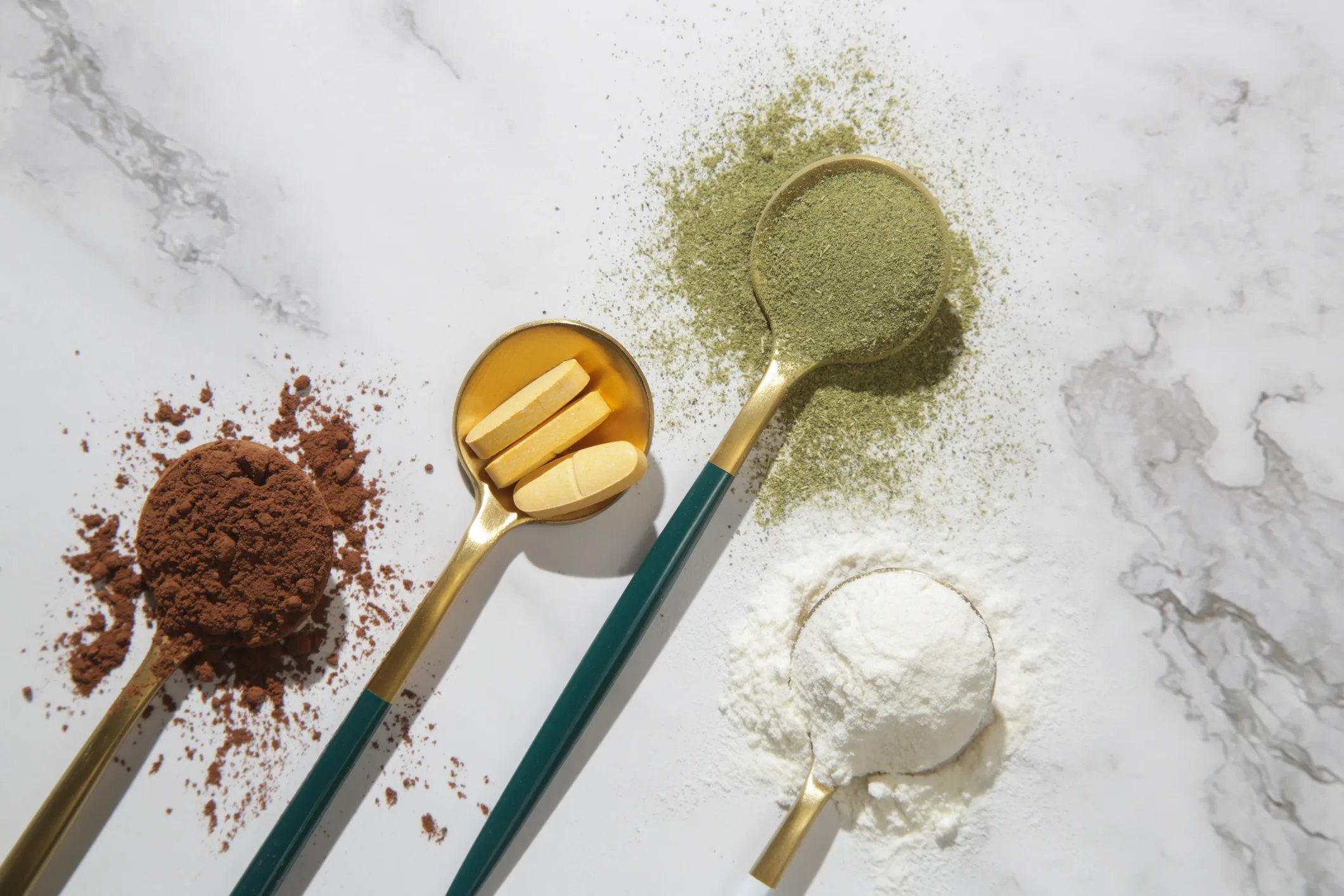
In cooking amounts, cinnamon, turmeric, and ginger are generally safe and offer health benefits. However, the key is “culinary use”. When these spices are taken in higher, more concentrated “therapeutic” doses – often found in supplements – their effects are more potent, potentially interacting with medications or causing side effects. Always chat with your doctor before starting new supplements, especially if you take prescriptions.
Cinnamon: Beyond Flavor
Derived from the bark of various cinnamon trees, this beloved spice contains active compounds like cinnamaldehyde, eugenol, and coumarin. It’s celebrated for its impressive antioxidant, anti-inflammatory, and antimicrobial properties. For older adults, cinnamon may offer benefits like:
- Heart Health Support: Its potential to regulate blood sugar and reduce inflammation could contribute to a lower risk of heart disease.
- Brain Function: Some research suggests cinnamon may improve cognitive function.
- Digestive Aid: Traditionally, it’s been used to aid digestion and fight infections.
However, a word of caution: there are different types of cinnamon. The cheaper cassia cinnamon (often from Asia) contains higher levels of coumarin compared to the more expensive Ceylon cinnamon. In high doses, coumarin can potentially cause liver damage. This is particularly important if you’re taking anticoagulants (blood thinners), as high doses of coumarin can increase the risk of bleeding. Cinnamon may also interact with painkillers, antidepressants, chemotherapeutic agents, and antidiabetic drugs. Side effects can include stomach upset, headaches, or skin reactions.
Turmeric: The Golden Boost
This vibrant yellow spice, a staple in curries and “golden milk,” owes much of its power to a compound called curcumin. Turmeric is highly prized for its strong anti-inflammatory and antioxidant properties. At higher doses, it’s also being studied for potential anti-cancer and pain-relieving effects. Some research even points to its potential cognitive benefits.
To get the most out of turmeric, remember these tips:
- Absorption is Key: Curcumin is best absorbed when consumed with fats (like olive oil or coconut milk) and piperine-rich black pepper.
- Preparation Matters: Cooking turmeric roots may enhance DNA-protective effects, and roasting in ghee (clarified butter) might improve gut microbiome health and compound uptake.
Important considerations: Curcumin can interact with liver enzymes and may affect antidepressants, blood thinners, antidiabetic medications (potentially lowering blood sugar too much), and certain antibiotics. It’s generally advised to avoid therapeutic concentrations of curcumin if you have gallstones, bleeding disorders, or are taking anticoagulants.
Ginger: Soothing & Strong
Known for its distinctive flavor and warming sensation, ginger is a go-to for its anti-inflammatory, immune-boosting, and anti-nausea effects. Some studies suggest it might help lower blood sugar and blood lipid levels, though more research is needed on its interactions with antidiabetic drugs.
Ginger contains active compounds like gingerol, which can have blood-thinning effects, especially when consumed regularly in concentrated forms. Therefore, it can increase bleeding risk if taken with anticoagulants. Higher doses of ginger can also lead to gastrointestinal side effects such as heartburn, bloating, or irritation.
The Everyday Takeaway
While laboratory studies highlight potential drug interactions for these spices, these findings largely involve high, concentrated doses rather than the typical amounts you’d use in your cooking. For most older adults, incorporating these flavorful spices into your daily meals is generally considered safe and can add both taste and potential health benefits to your diet.
However, if you’re considering taking these spices in supplement form, or if you’re on medications for conditions like blood clotting, diabetes, or cancer, it is absolutely essential to consult with your healthcare professional first. They can help you understand any potential interactions and ensure you’re making the best choices for your individual health.