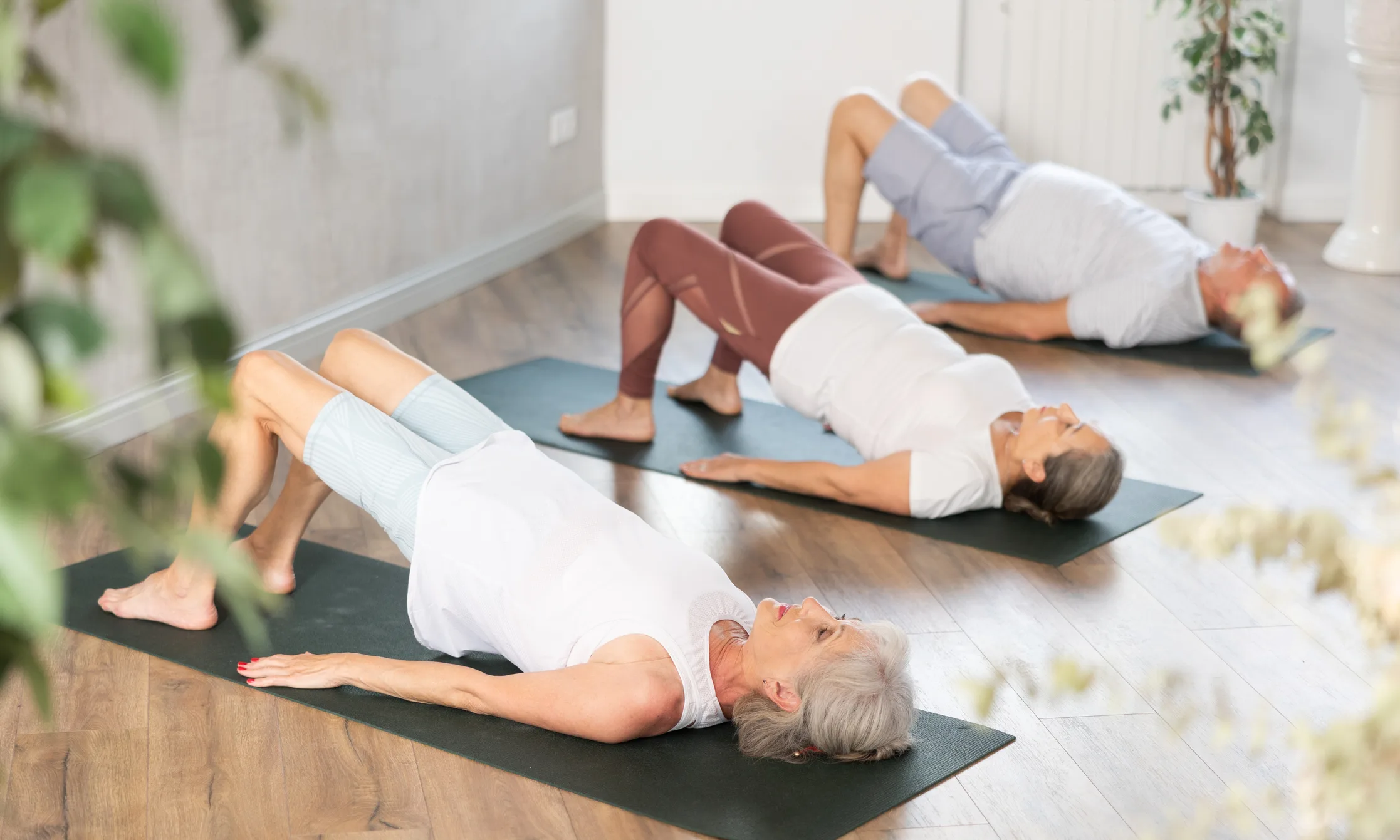
If the old saying is “use it or lose it,” let’s be honest: after 50, things start to “lose it” faster than a pair of reading glasses. The secret to maintaining your independence, fighting gravity, and keeping your metabolism from retiring early isn’t just cardio—it’s strength training.
A complete fitness program should cover four critical pillars: Strength, Flexibility, Endurance, and Balance. For those of us in our second act, strength training (lifting heavy things, relatively speaking) is arguably the most important, helping you lift groceries, open stubborn jars, and avoid becoming a permanent fixture on the sofa.
Why Strength Training is a Non-Negotiable Investment
Think of strength training as depositing money into your “Bone Bank.” The benefits go far beyond vanity and are directly tied to your quality of life:
- Bone Density: Strength work is crucial for fighting osteoporosis. When muscles pull on your bones, it tells those bones to get stronger.
- Metabolism: Muscle is metabolically active, meaning it helps you burn calories even at rest. More muscle means a more efficient furnace.
- Blood Sugar & Lipid Control: Strength training significantly helps improve your blood glucose and lipid levels, which is a polite way of saying it’s great for managing diabetes and heart health.
- Functional Strength: We’re not training for the Olympics; we’re training to make daily life easy. Strength keeps you stable, powerful, and fall-resistant.
The Physical Activity Guidelines for Americans recommend two strength training sessions per week for optimal health. Consider it your minimum weekly health insurance premium.
Decoding Your Engine: The Muscle Groups
When fitness experts talk about muscles, they’re referring to your skeletal muscles—the ones you intentionally move. For training purposes, we group the most important ones together:
- Legs: Quadriceps (front), Hamstrings (back), and Glutes (the power center).
- Back: Lats (sides) and Traps (upper back)—crucial for posture!
- Chest: Pectorals (the foundation for pushing).
- Shoulders: Delts (front, side, and back).
- Arms: Biceps (flex!) and Triceps (the bigger muscle on the back of your arm).
- Abs: Core stability and, frankly, the key to avoiding a backache.
Compound vs. Isolation: Choose Efficiency
Your time is precious. The most efficient way to train is by prioritizing Compound Exercises.
- Compound Lifts (Multi-Joint): These work multiple muscle groups and joints at once. Think: Squats, Bench Press, Deadlifts, and Rows. These give you the best bang for your buck.
- Isolation Exercises (Single-Joint): These target a single muscle, like a Bicep Curl or a Leg Extension. Use these to finish off a specific area.
The Art of the Split: Patience and Planning
The most crucial rule in your training program is Recovery. Muscles actually get stronger while you’re resting, not while you’re lifting. Most muscles need about 48 hours to fully recover after a resistance session.
A Workout Split is simply how you divide your muscle groups across the week to ensure they get their downtime.
Option 1: The Time-Saver (2x per Week)
If you are only lifting twice a week, stick to a Full-Body Workout. This prioritizes compound exercises and hits every major group in one session.
Option 2: The Focused Approach (3–4x per Week)
By splitting your workouts, you can train a different set of muscles while the others recover. This is often the most enjoyable method.
| Day | Focus | Example Exercises (Mostly Compound) |
| Day 1 | Push Day (Chest, Shoulders, Triceps) | Push-ups, Overhead Press, Dumbbell Bench Press |
| Day 2 | Leg Day (Quads, Hams, Glutes) | Squats, Lunges, Romanian Deadlifts |
| Day 3 | Rest/Aerobic (Walk, Cycle, Swim) | |
| Day 4 | Pull Day (Back, Biceps, Abs) | Rows, Lat Pulldowns, Bicep Curls, Plank |
| Day 5 | Rest |
The bottom line is consistency. Whether you lift weights, use resistance bands, or just your body weight, find a plan you enjoy. If you’re unsure about form, investing in a session or two with a certified personal trainer is like buying insurance against future injury—it’s a smart move at any age.