Did you know that combining aerobic exercise and weight training could significantly extend your lifespan?
A study involving nearly 100,000 older adults, men and women, found that those who combined these activities saw a 41% reduction in their risk of premature death in older adults.
That’s a powerful statistic!
The Facts
The study found that older adults who engaged in weight training alone reduced their risk of early death by up to 22%, depending on how frequently they lifted weights each week.
Lifting weights once or twice weekly was linked to a 14% lower risk, with the benefits increasing as weightlifting frequency rose.
Those who engaged in just aerobic exercise lowered the early death risk by up to 34%. However, the greatest reduction, 41%, was seen in those who combined weight training (once or twice weekly) with the recommended amount of aerobic exercise.
The benefits of combining go beyond longevity
These workouts not only reduce the risk of life-threatening illnesses but also promote leaner body composition and improved mental wellbeing.
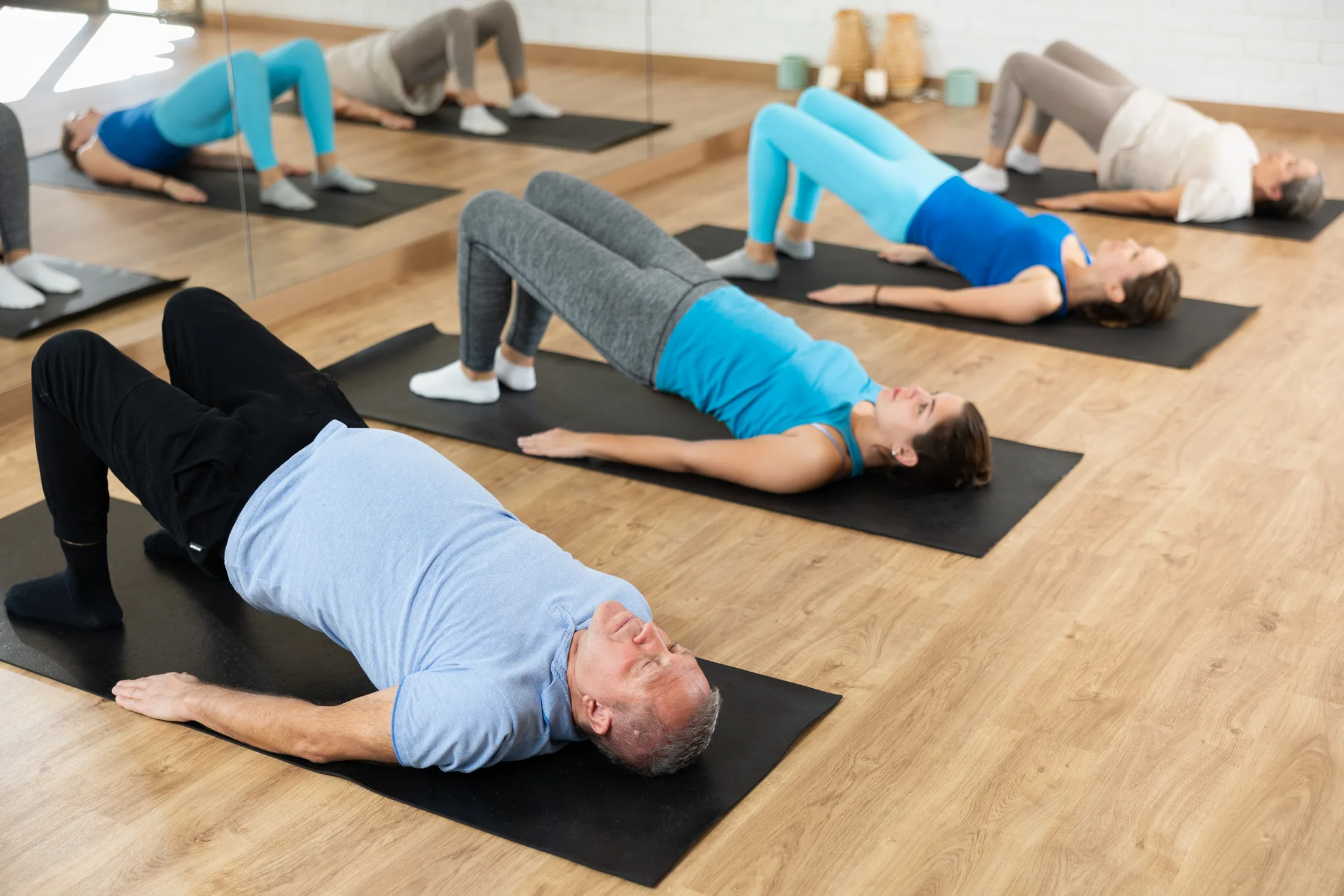
Additionally, the social interaction gained from training in a gym environment has been linked to a longer, healthier life. “Going to the gym to see my regular crew is not only motivating, but it’s a great social activity for myself” says Emmanuel Stamatakis, professor of physical activity and population health at the University of Sydney.
The findings reinforce the importance of combining strength and aerobic exercises, aligning with current physical activity guidelines.
What are the recommended guidelines?
The World Health Organization advises adults aged 65 and older to engage in:
150 to 300 minutes of moderate intensity aerobic exercise or 75 to 150 minutes of vigorous aerobic exercise per week.
Muscle strengthening activities (such as weight training) at least twice a week to maintain bone density, prevent falls and retain physical abilities.
Examples of effective workouts
Aerobic activities: Walking, dancing, running, jogging, cycling, and swimming.
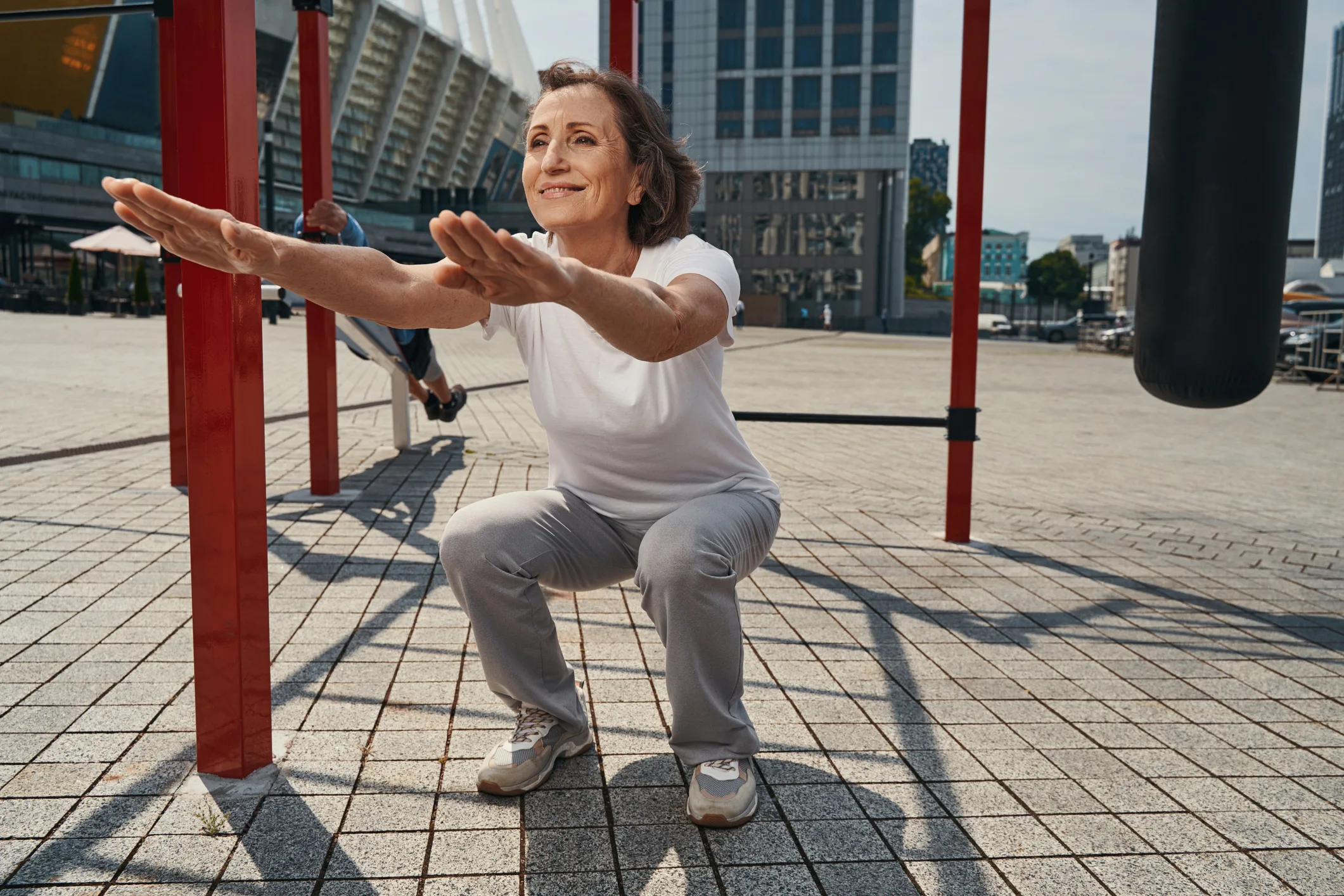
Strength exercises (30–60 minutes): Squats, shoulder dumbbell presses, and lateral dumbbell raises.
Daily activities: Gardening can provide both aerobic and strength benefits, depending on your level of activity.
The key is to stay active consistently
We do not stop exercising because we grow old – we grow old because we stop exercising
The most important factor is to stay as active as possible and include resistance training in your weekly routine.
And always remember, it’s never too late to start!
Source:
Adding weightlifting to cardiovascular exercise reduces risk of all-cause mortality