The key to staying healthy, active, and independent as you age is to maintain and build muscle mass. By your 30s, you start to gradually lose muscle, which can lead to a host of problems later in life, including a higher risk of falls, slower metabolism, and chronic diseases.
When you hit 50, you might notice that a simple walk around the block doesn’t quite have the same effect as it used to. This is because cardio alone isn’t enough. Strength training is what truly makes a difference. It’s the secret to keeping your body strong and resilient. It improves balance, boosts bone density, and helps you manage your weight. It’s a game-changer.
Before starting any new exercise routine, it’s a good idea to chat with your doctor. Once you’ve got the green light, consider working with a certified personal trainer, especially one with experience working with older adults. They can help you create a personalized plan that’s safe and effective.
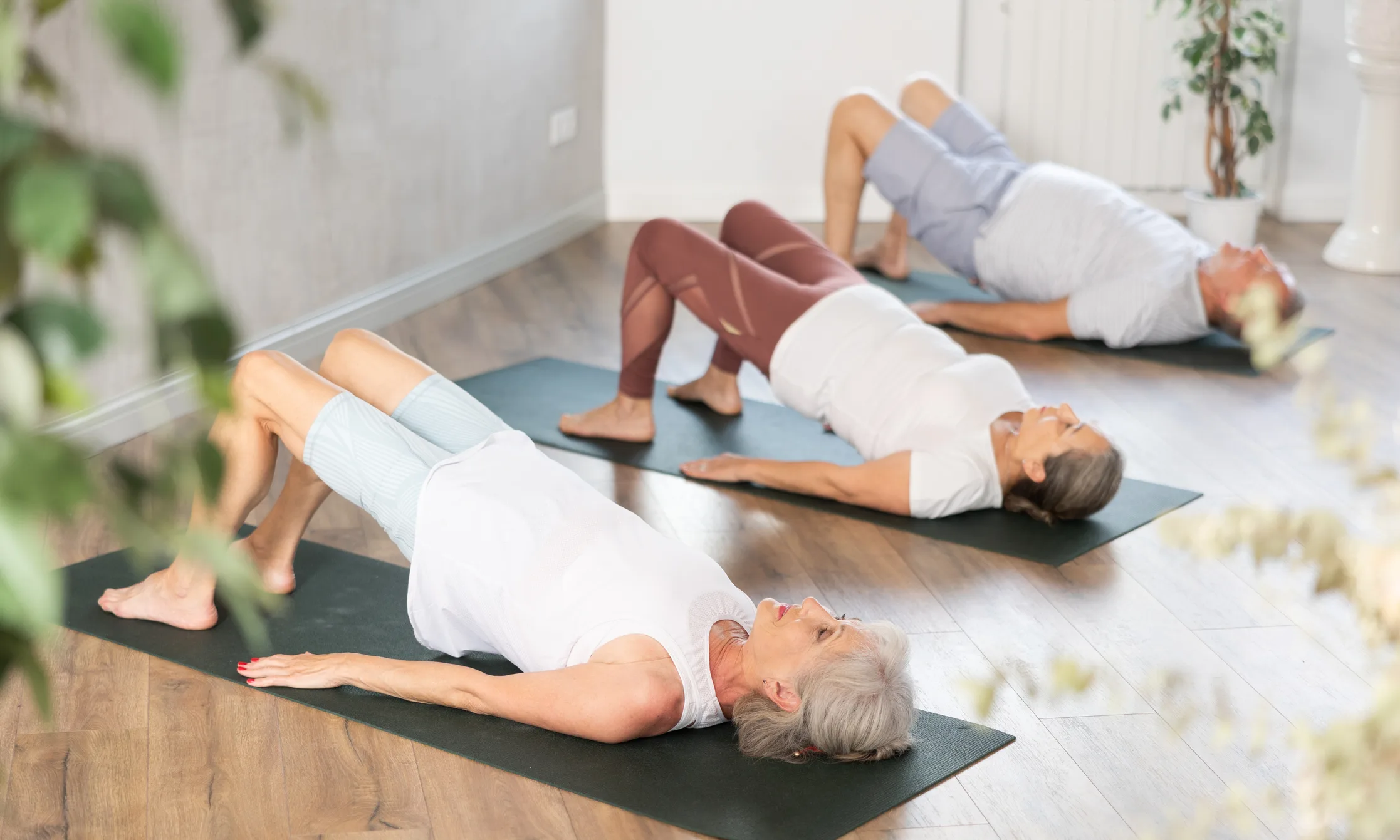
You don’t need a fancy gym or a ton of equipment to get started. Many exercises can be done at home with minimal equipment. Try incorporating these exercises into your routine 2-3 times per week, with at least a day of rest in between to allow your muscles to recover.
- Squats: Stand with your feet shoulder-width apart and your toes pointed slightly out. Keep your back straight and your chest up as you lower your hips as if you’re sitting in a chair. Aim for 3 sets of 10-12 repetitions.
- Lunges: Step forward with one leg and lower your hips until both knees are bent at a 90-degree angle. Push off with your front foot to return to the starting position. Repeat on the other side. Do 3 sets of 10-12 repetitions per leg.
- Push-ups (Modified): If a full push-up is too challenging, start with modified push-ups on your knees or against a wall. The key is to engage your core and keep your back straight. Aim for 3 sets of 8-10 repetitions.
- Dumbbell Rows: You’ll need a dumbbell for this one. Bend at your hips and knees, keeping your back straight. Hold the dumbbell in one hand and pull it up towards your chest, squeezing your shoulder blade. Lower it with control. Do 3 sets of 10-12 repetitions per arm.
Takeway
Remember, consistency is more important than intensity when you’re just getting started. Listen to your body and don’t push yourself too hard. Celebrate the small victories, like being able to carry all the groceries in one trip or effortlessly getting up from a low chair. These are the moments when you’ll truly feel the power of strength training. It’s about investing in your long-term health and maintaining your independence for years to come.