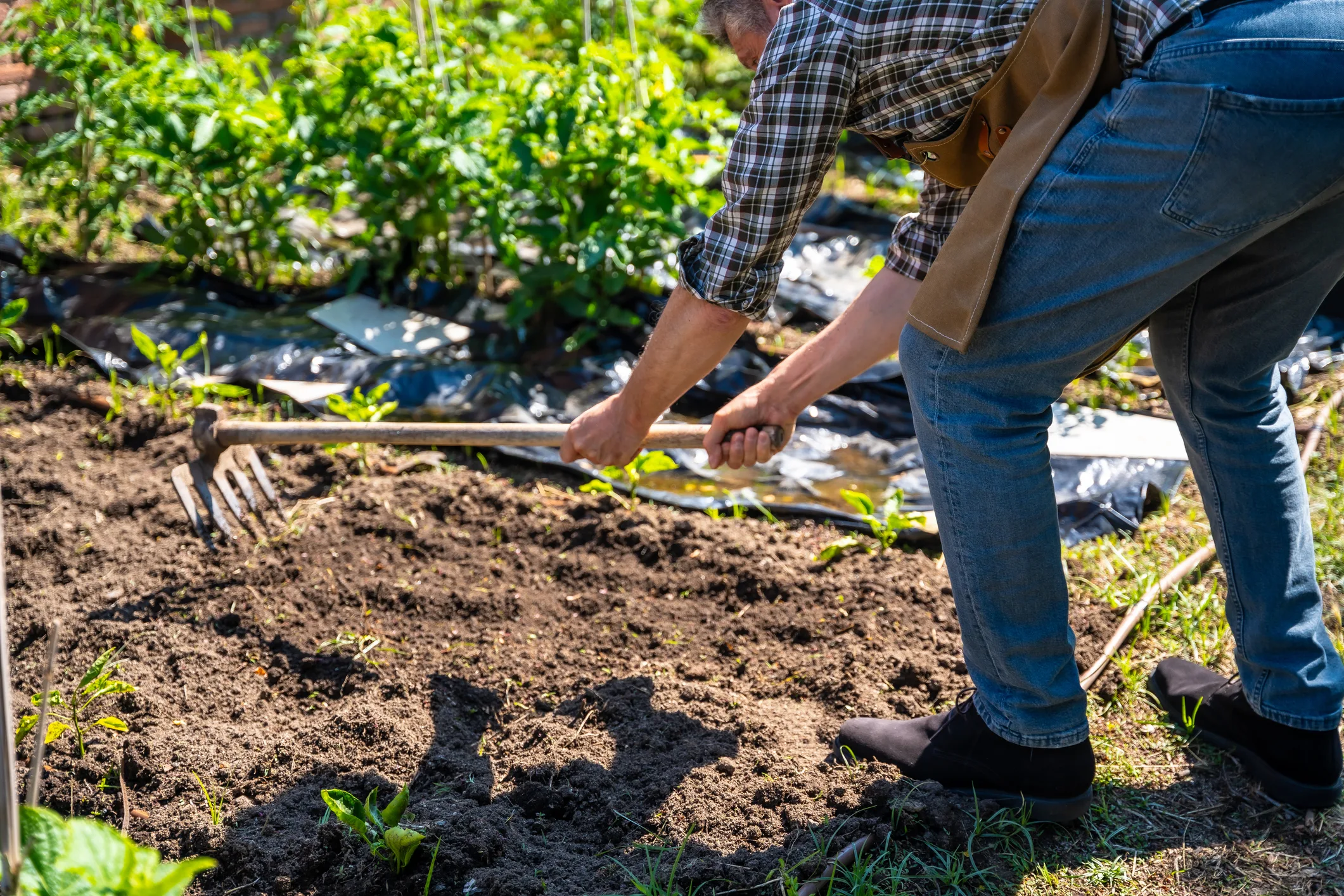
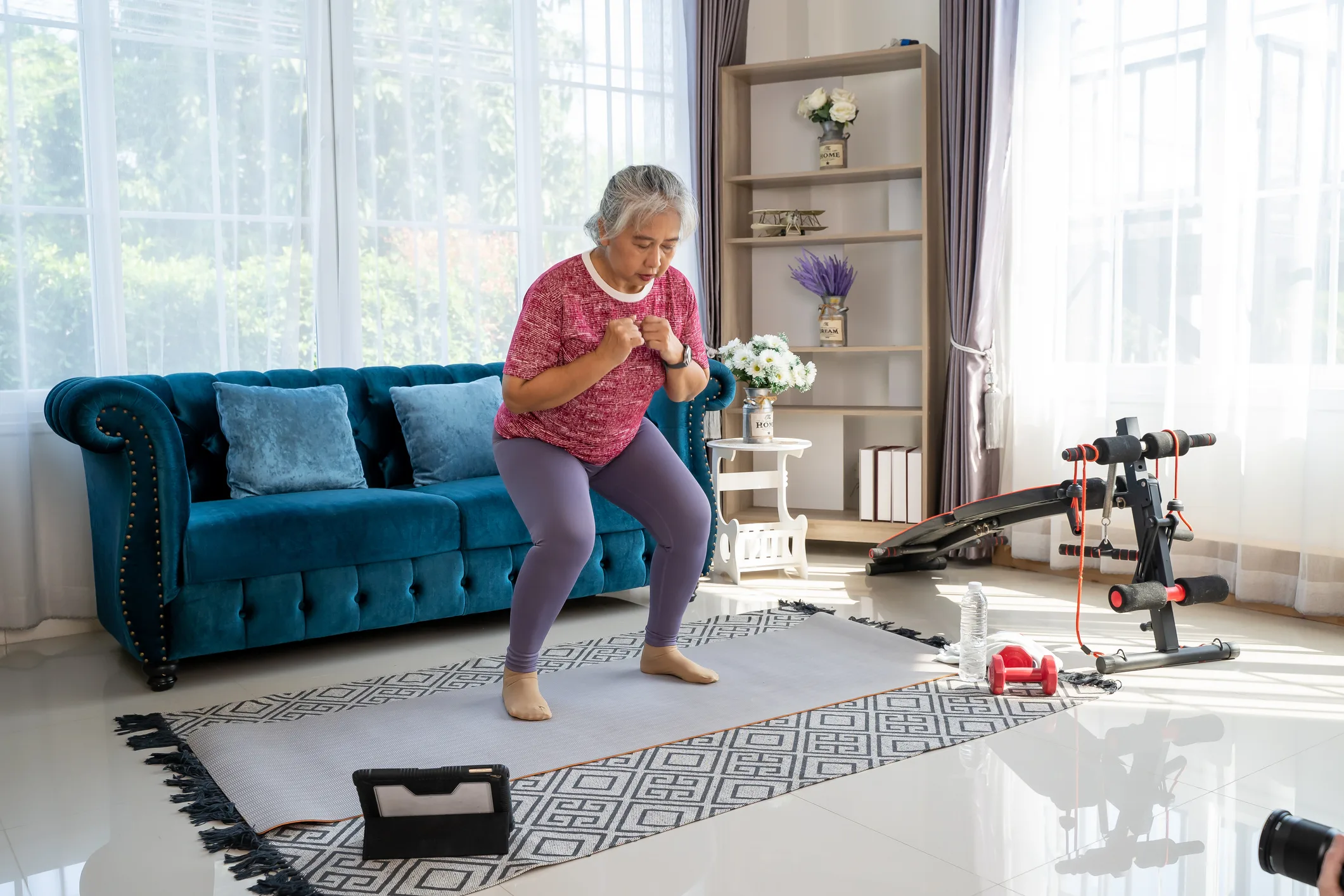
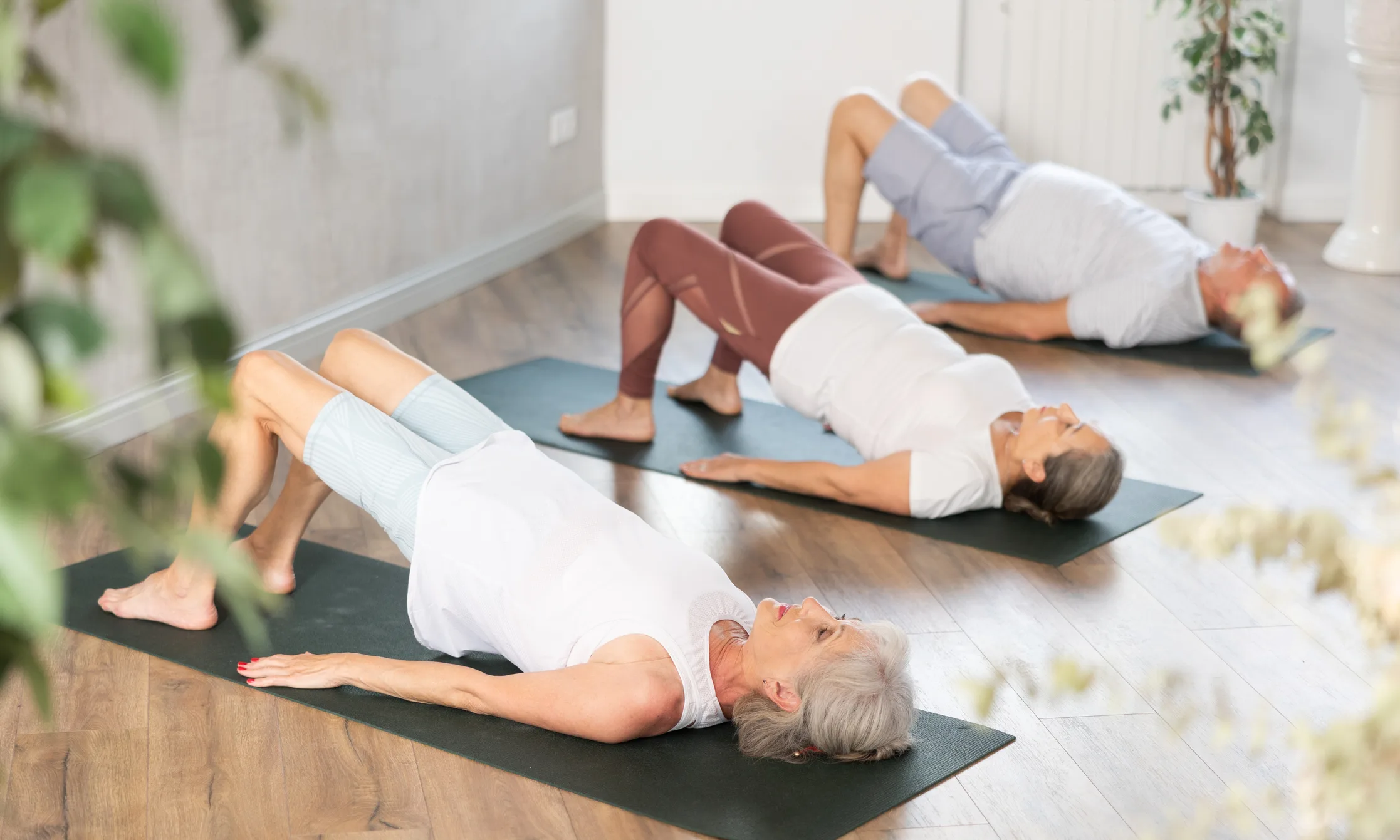
When did we stop stretching? Not just before or after that kickboxing class you love, but in our daily lives? Once upon a time, we probably bent over to tie our shoes without a grunt, reached for the top shelf without a wobble, and got up from a chair without the need for a winch. We all have a story about what our bodies used to be able to do. For some, it might involve being able to touch your toes. For others, maybe it’s simply a memory of getting out of bed without feeling like a creaky old ship.
It turns out that stretching isn’t just for athletes. It’s for all of us who have spent years hunched over a desk, a steering wheel, or a garden bed. It’s for anyone who feels the tell-tale signs of aging in their joints and muscles. Stretching, it seems, might be the closest thing we have to a fountain of youth—and you don’t even need a gym membership.
A Quiet Conversation With Your Body
Think of your body as a journal. Every emotional stress, every long car ride, every “I’ll deal with it later” gets written down in your muscles. According to Bonnie Strati, a certified yoga teacher and master flexologist at StretchLab, stretching is how we read that journal and, more importantly, how we start to edit it.
“Stretching is one of the most accessible yet profoundly healing practices we can offer ourselves”. Strati views stretching as a conversation with your body, a way to listen and release the tension that’s been stored up over a lifetime. It’s a chance to un-slouch, literally.
Our bodies are magnificent machines, but they need maintenance. All those years of sitting can lead to poor circulation. But a few minutes of stretching can gently stimulate blood vessels, sending more oxygen and nutrients to our muscles. It’s like a jump-start for your internal engine, fueling cellular repair and reducing soreness.
The Secret to Aging Gracefully
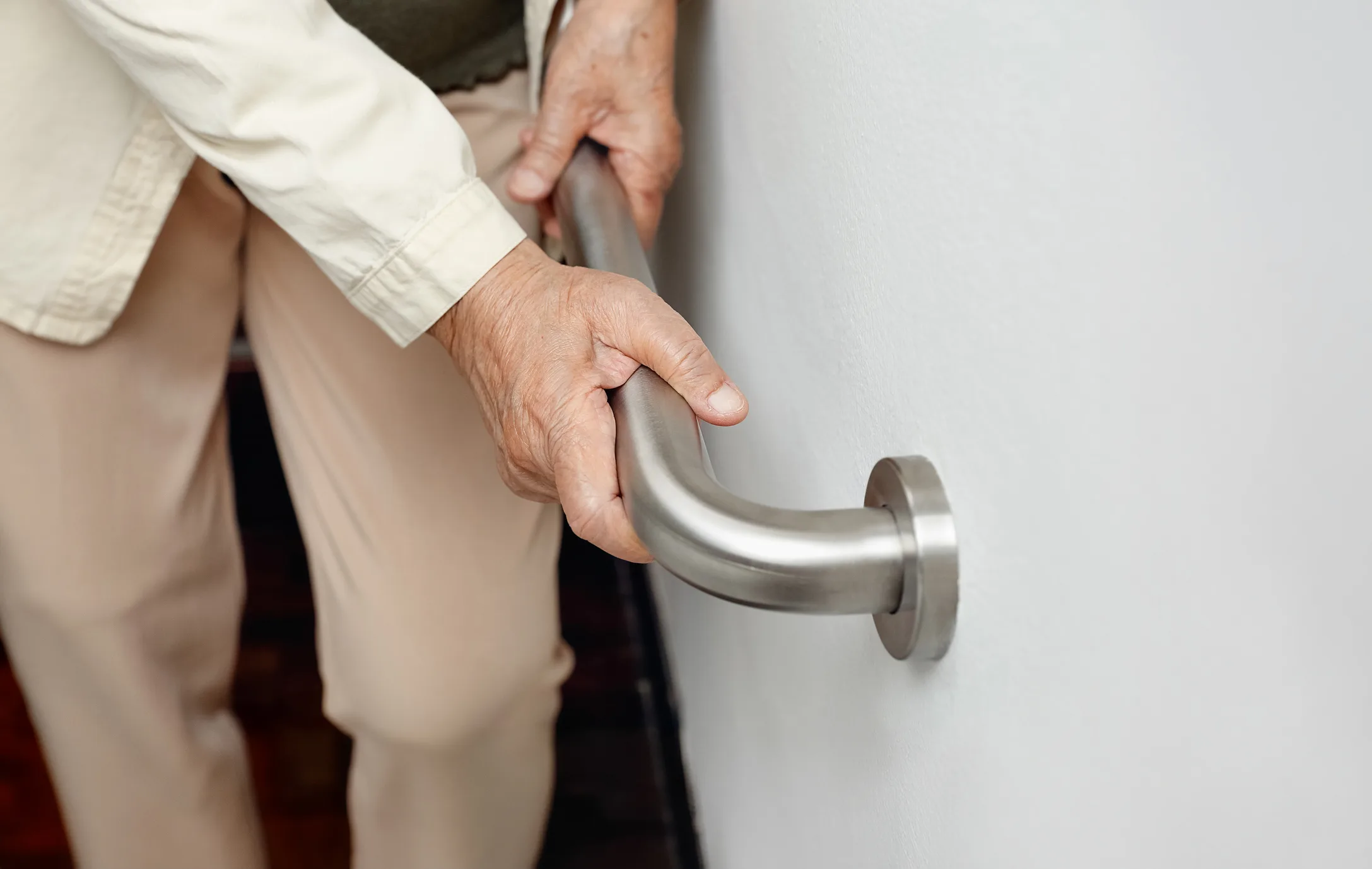
As we get older, our posture can start to look like the Leaning Tower of Pisa. Strati notes that stretching helps correct these imbalances by “lengthening what’s tight and restoring space between joints.” As your posture improves, so do other crucial things like your breathing and your overall strength. This is especially important for preventing falls and maintaining your freedom of movement for decades to come.
Beyond the physical benefits, stretching can also have a profound impact on our mental well-being. A 2013 study found that just 10 minutes of daily stretching for three months reduced anxiety and exhaustion in participants. Another study showed that stretching can even improve your mood and cognitive performance.
It’s a two-for-one deal. Stretching can lower cortisol, the dreaded stress hormone, especially when combined with slow breathing. It activates the “rest and digest” part of your nervous system, pulling you out of “fight or flight” mode. Just 10 minutes of stretching before bed, Strati says, can feel like a full-body exhale. It’s a simple, gentle practice that can bring a sense of peace to both your body and your mind. So, go ahead. Give those tired limbs a little love. You’ve earned it.
Source:
Why Stretching Is Underrated — Plus 4 Exercises a Master Flexologist Recommends Doing Daily