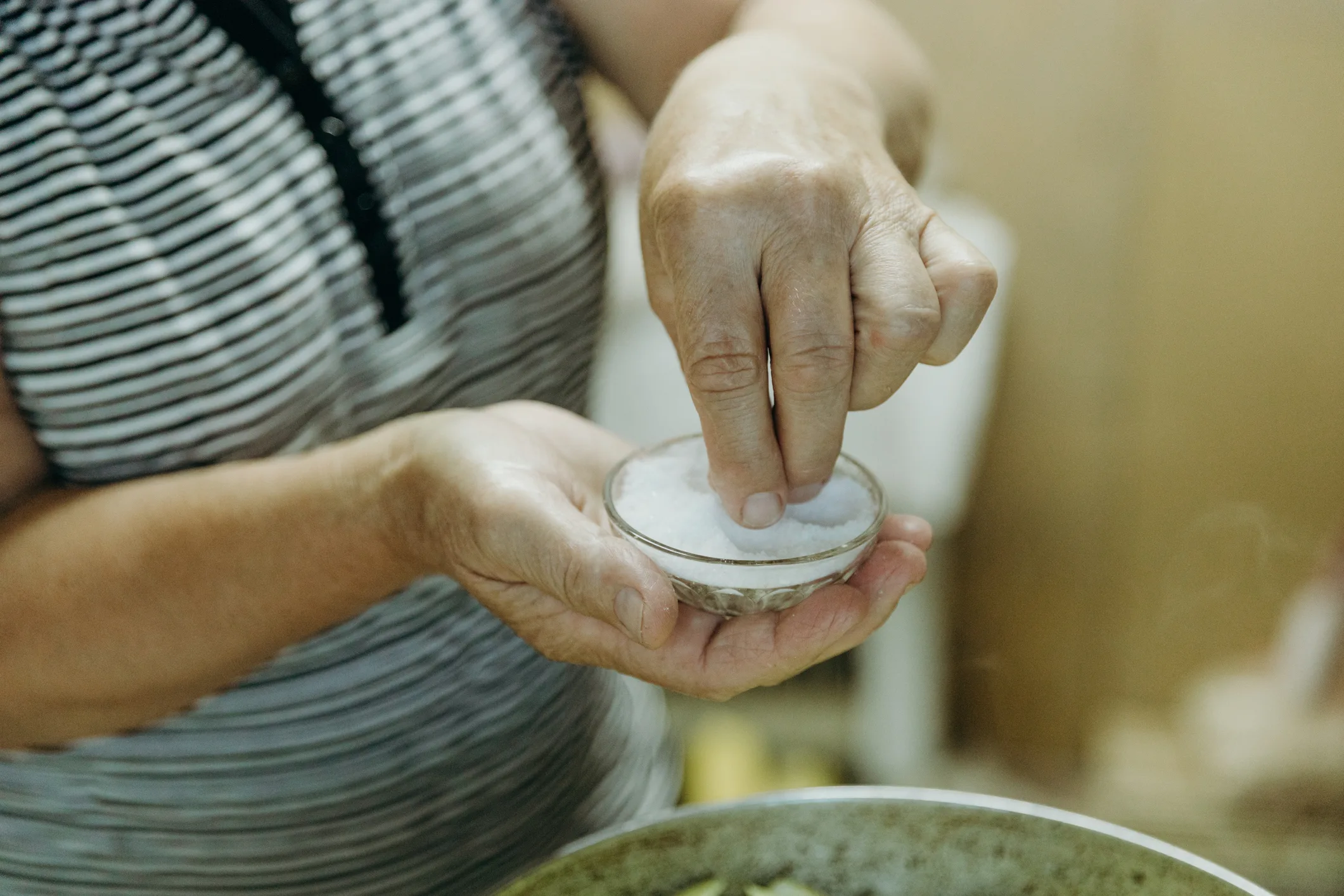
If you’ve reached the age of 60 or beyond, you have likely accumulated an impressive collection of life wisdom, a few prized recipes, and an absolute mountain of well-meaning medical advice. We are constantly reminded to watch our sodium, limit our red meat, and move our bodies—essentially telling us that if an activity or food is thoroughly enjoyable, we should probably stop doing it. However, while we have spent years diligently shaking the salt shaker with a sense of existential guilt, modern medical science suggests we might have been glaring at the wrong white crystal on the dining table.
The Surprise Culprit: Added Sugar
A study published in the medical journal Nutrients took a close look at a group of adults between the ages of 65 and 80 to see how different foods affect blood pressure. For decades, doctors have blamed salt for high blood pressure. But this study found a hidden troublemaker that might be even more important: added sugar.
When researchers tracked what the participants ate, they found that eating added sugars—like the stuff found in sodas, baked goods, and processed foods—was strongly linked to higher blood pressure. This stayed true even when they accounted for a person’s age, weight, exercise habits, and whether or not they were already taking blood pressure medication.
Small Changes, Big Results
The good news from the research is that you don’t have to completely upend your life to see a massive benefit. Cutting out just a tiny amount of sugar can make a dramatic difference for your heart:
- The Power of Two Teaspoons: The study showed that cutting just 2.3 teaspoons of added sugar out of your daily diet could significantly drop your blood pressure numbers.
- Cutting Hypertension in Half: In the study’s female group, making that small swap was projected to cut the rate of high blood pressure right in half (from about 47% down to 21%).
- Why Sugar Stresses Your Body: Processed sugar (especially high-fructose corn syrup) forces your liver to work overtime. This process creates waste products like uric acid and stops your blood vessels from doing what they need to do most: relax and let blood flow easily.
Whole Fruit vs. Spoonfuls of Sugar
You might wonder if this means you have to give up fruit. The answer is a resounding no. The study found a massive difference between the sugar added to processed food and the sugar naturally found in a piece of fruit.
- Fruit Actually Helps: While added sugar drove blood pressure up, eating whole fruit actually drove blood pressure down.
- The “Package” Matters: When you eat an apple or a handful of berries, the sugar is wrapped up with fiber, vitamins, and water. This slows down how fast your body absorbs the sugar, preventing a sudden shock to your system. Plus, fruit is packed with potassium, which naturally helps your body flush out extra fluid and relaxes your arteries.
Simple Ways to Cut the Sweet Stuff
The American Heart Association recommends that women stick to no more than 6 teaspoons of added sugar a day, and men stick to 9 teaspoons. For perspective, a single 12-ounce can of regular soda has about 10 teaspoons of sugar—instantly putting you over the daily limit.
Here are a few painless ways to protect your heart:
- Check the “Healthy” Foods: Sugar loves to hide in places you wouldn’t expect. Check the labels on jarred pasta sauces, salad dressings, low-fat yogurts, and oatmeal packets. Often, when companies take out fat, they dump in sugar to keep it tasting good.
- Rethink Your Drinks: Swap out sodas, sweet teas, and even store-bought fruit juices for sparkling water. You can toss in a slice of cucumber, lemon, or a few mint leaves to keep it interesting.
- Upgrade Your Dessert: When your sweet tooth kicks in after dinner, reach for a bowl of fresh raspberries, blackberries, or sliced apples with a pinch of cinnamon instead of cookies or ice cream.
Takeaway
In summary, managing your blood pressure past the age of 60 does not mean you are condemned to a lifetime of flavorless, cardboard-adjacent meals. It simply means making smarter trades. By swapping out a couple of teaspoons of hidden, industrial sugar for a handful of fresh berries, you can give your heart a major break. After all, you have spent decades working hard to keep your stress levels down; it is only fair that your blood vessels get to relax a little bit too.
Source:|
Added Sugar Intake is Associated with Blood Pressure in Older Females