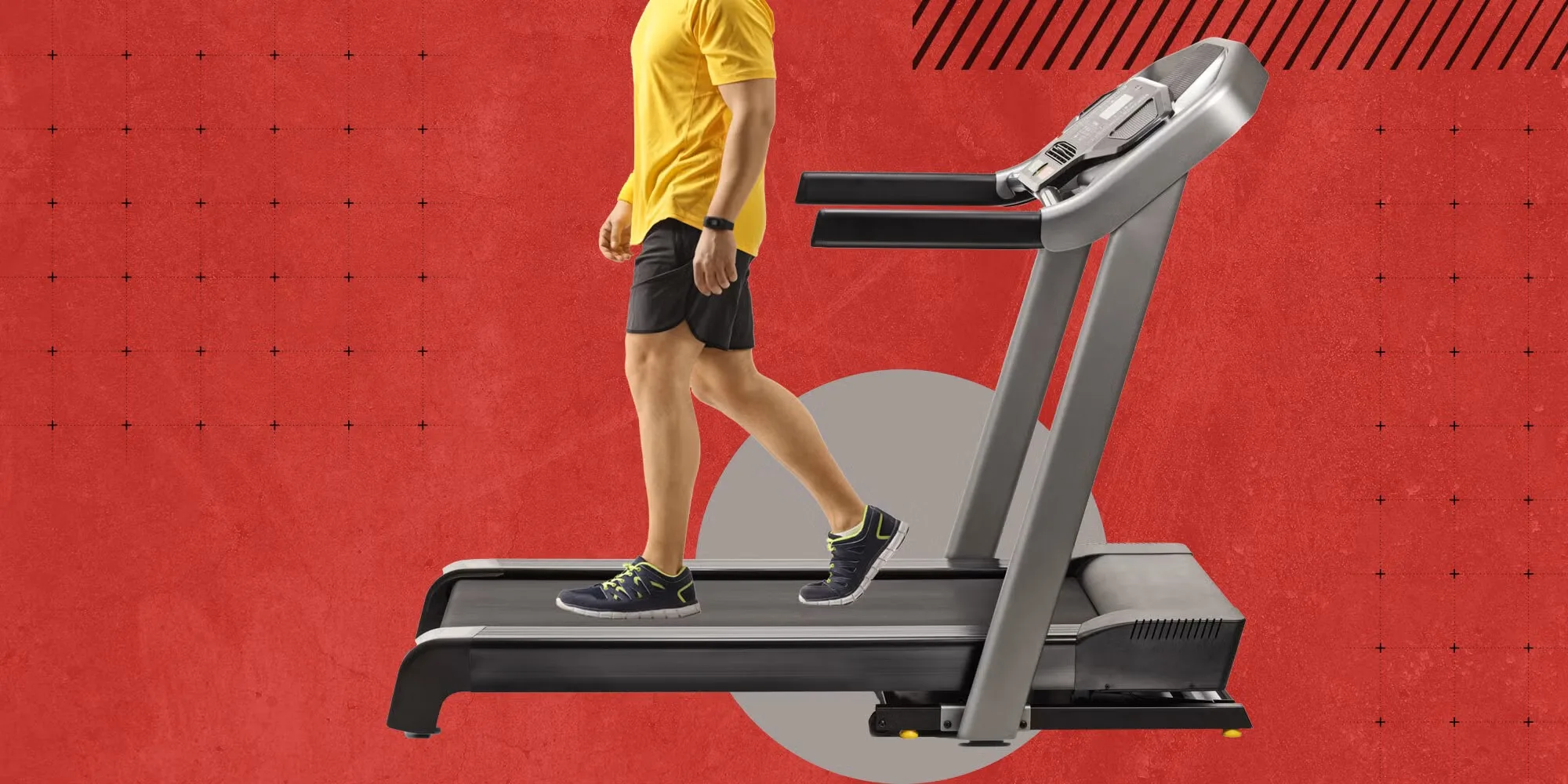
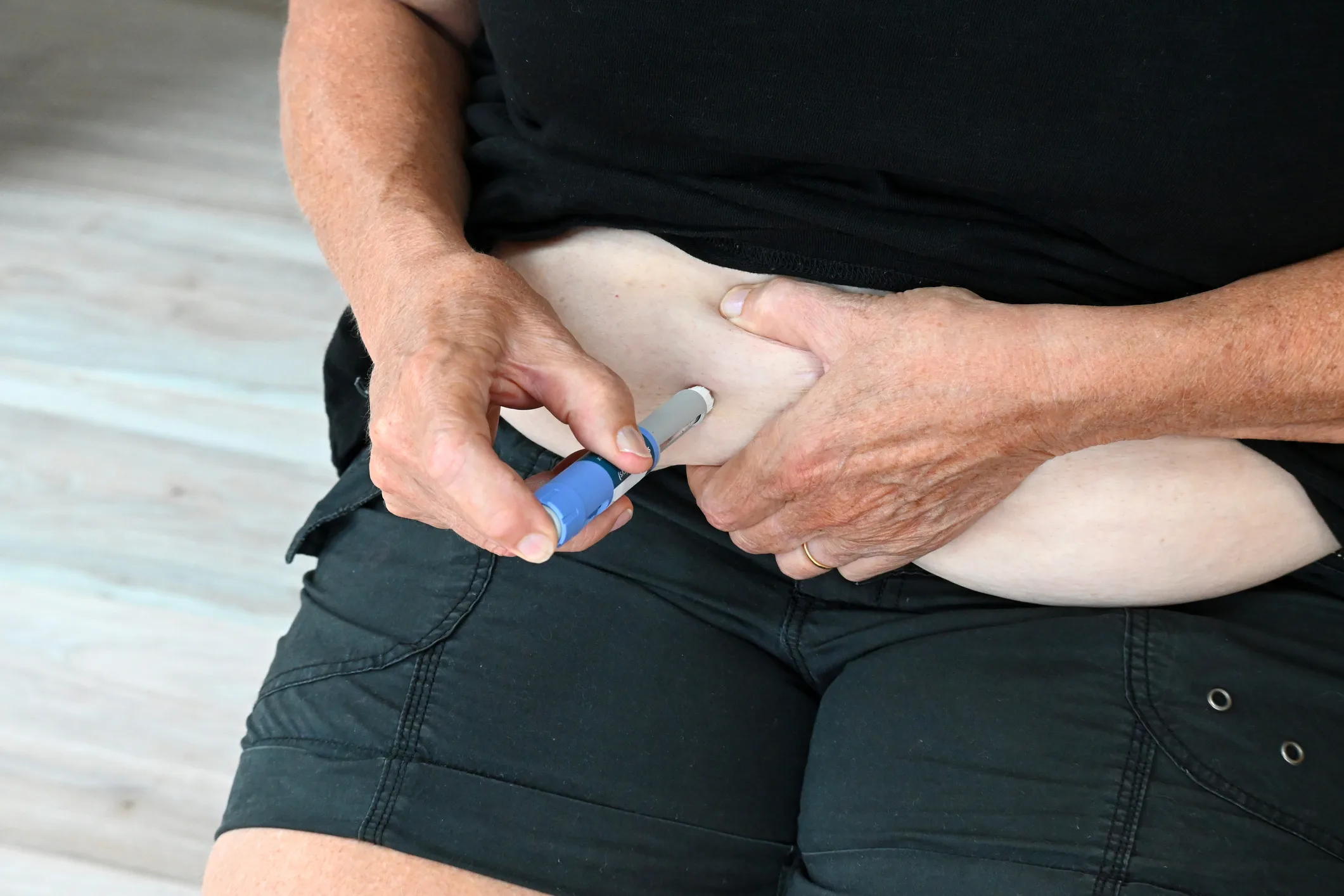
As we cross the 50-year mark, our bodies change the way they handle exercise. We lose muscle a bit faster (the dreaded sarcopenia) and recover a bit slower. While a solid diet of whole foods is your base, strategic supplementation can be the “secret sauce” to keeping you strong, agile, and ready for whatever the grandkids—or the local 5K—throw at you.
Protein: The Building Blocks for the “Classic” Physique
In our 20s, we could look at a dumbbell and grow muscle. After 50, our muscles become a bit “deaf” to the signal that tells them to grow. This is where protein supplements like whey or high-quality plant powders come in.
- Why it matters: Supplementing with whey or high-quality plant-based protein provides the essential amino acids needed to repair the wear and tear from your morning walk or weight session.
- The Pro-Tip: Aim for about 25–30 grams of protein shortly after your workout. This helps stimulate muscle protein synthesis more effectively than diet alone.
Enhancing Power and Endurance
Specific supplements can provide the energy necessary to maintain an active lifestyle and improve the quality of your workouts.
- Creatine HCL: This is one of the most researched supplements on the planet. For those over 50, it’s a rockstar for maintaining bone density and muscle power. Plus, Emerging studies also suggest it may support cognitive health.
- Beta-Alanine: This amino acid helps buffer acid in the muscles, reducing fatigue during high-intensity intervals or sustained aerobic activity, such as swimming or cycling.
Recovery: Because “Bouncing Back” Takes Longer
Remember when “recovery” meant sleeping for six hours and doing it all again? Now, recovery is an Olympic sport in itself.
- BCAAs (Branched-Chain Amino Acids): These can help reduce that “I can’t walk down the stairs” soreness that hits two days after a leg workout.
- Omega-3s: Think of fish oil as WD-40 for your joints. It helps fight the inflammation that makes your knees sound like a bowl of Rice Krispies in the morning.
- Glucosamine and Chondroitin: These compounds are often used to support cartilage health and may help alleviate symptoms of osteoarthritis, allowing for greater range of motion.
The “Niche” Players for Longevity
Sometimes the best fitness supplement isn’t for your muscles, but for the systems that support them. Foundational nutrients ensure your body can handle the stress of physical activity.
- Vitamin D & Calcium: Essential for keeping your “chassis” (your bones) sturdy by maintaining bone density and preventing fractures. Vitamin D also plays a significant role in muscle function and immune health.
- Magnesium: This mineral is involved in over 300 enzymatic reactions, including muscle contraction and energy production. It’s great for muscle cramps and helping you get the deep sleep required for your body to actually do its repair work.
Food First, Shakes Second
While supplements are great, they aren’t magic erasers for a diet of doughnuts and irony. Think of supplements as the “cherry on top” of a sundae made of lean proteins, colorful veggies, and healthy fats.
- Prioritize Quality: Choose products that have been third-party tested (such as NSF or Informed-Choice) to ensure purity and label accuracy.
- Consult the Experts: Before you start a new regimen, chat with your doctor. You want to make sure your supplements play nice with any medications you might be taking.
The Bottom Line
Fueling your fitness after 50 isn’t about chasing a “beach body”—it’s about maintaining a “functional body.” By choosing high-quality, tested supplements and pairing them with a sensible diet, you aren’t just adding years to your life; you’re adding life to your years.