If you have walked down a pharmacy aisle lately, you have likely noticed that the supplement section now rivals the size of a small grocery store. Between glowing promises of restored youth and unpronounceable herbal concoctions, it is easy to leave the store with a lighter wallet and a heavy sense of confusion. While lifestyle publications often pitch trendy daily regimens aimed at twenty-somethings, nutrient requirements shift significantly as we enter our 60s and beyond. The goal is no longer following the latest wellness fad, but rather providing your body with targeted, evidence-based support to keep your mind sharp, bones strong, and energy consistent.
Below is a professional, medical-research-backed guide to the daily supplements most critical for older adults—and why your changing biology demands a tailored approach.
1. Vitamin D3 & Calcium: The Bone Density Alliance
Bone density naturally declines with age, increasing the risk of osteopenia, osteoporosis, and fractures. While calcium provides the structural building blocks for bone tissue, Vitamin D3 acts as the critical key that allows your intestines to absorb that calcium effectively.
- Why it matters after 60: Aging skin becomes less efficient at synthesizing Vitamin D from sunlight, and older kidneys are less adept at converting Vitamin D into its active form.
- What the research says: According to the National Institutes of Health (NIH) Office of Dietary Supplements, adults aged 51–70 require 600 IU of Vitamin D daily, while those over 70 require 800 IU. However, many geriatric specialists recommend 1,000 to 2,000 IU daily to maintain optimal blood levels.
- Key guidance: Pair Vitamin D3 with calcium (typically 1,200 mg total daily intake from food and supplements combined for women 51+ and men 71+). Always consult your physician before starting high-dose calcium, as excess supplementation can contribute to cardiovascular or renal complications.
“Vitamin D deficiency is exceptionally common in older adults. Supplementing with D3 not only aids calcium absorption for bone health, but also supports neuromuscular function, helping to reduce the risk of falls.”
— Dr. Bess Dawson-Hughes, Senior Scientist at the USDA Human Nutrition Research Center on Aging at Tufts University.
2. Vitamin B12: Supporting Nerve Health and Energy
Vitamin B12 is essential for red blood cell formation, neurological function, and DNA synthesis.
- Why it matters after 60: A common condition in older adults is atrophic gastritis—a thinning of the stomach lining that reduces the production of stomach acid and intrinsic factor, both of which are required to absorb B12 naturally from food.
- What the research says: The National Academy of Medicine recommends that adults over 50 obtain most of their B12 from fortified foods or dietary supplements, as crystalline B12 in supplement form is much easier for the aging digestive system to absorb than the B12 bound to protein in meat and dairy.
- Key guidance: Look for a supplement containing 500 to 1,000 mcg of B12 (often in the form of methylcobalamin or cyanocobalamin). Because B12 is water-soluble, excess amounts are generally excreted safely in urine.
3. Omega-3 Fatty Acids (EPA & DHA): Cardiovascular and Cognitive Shield
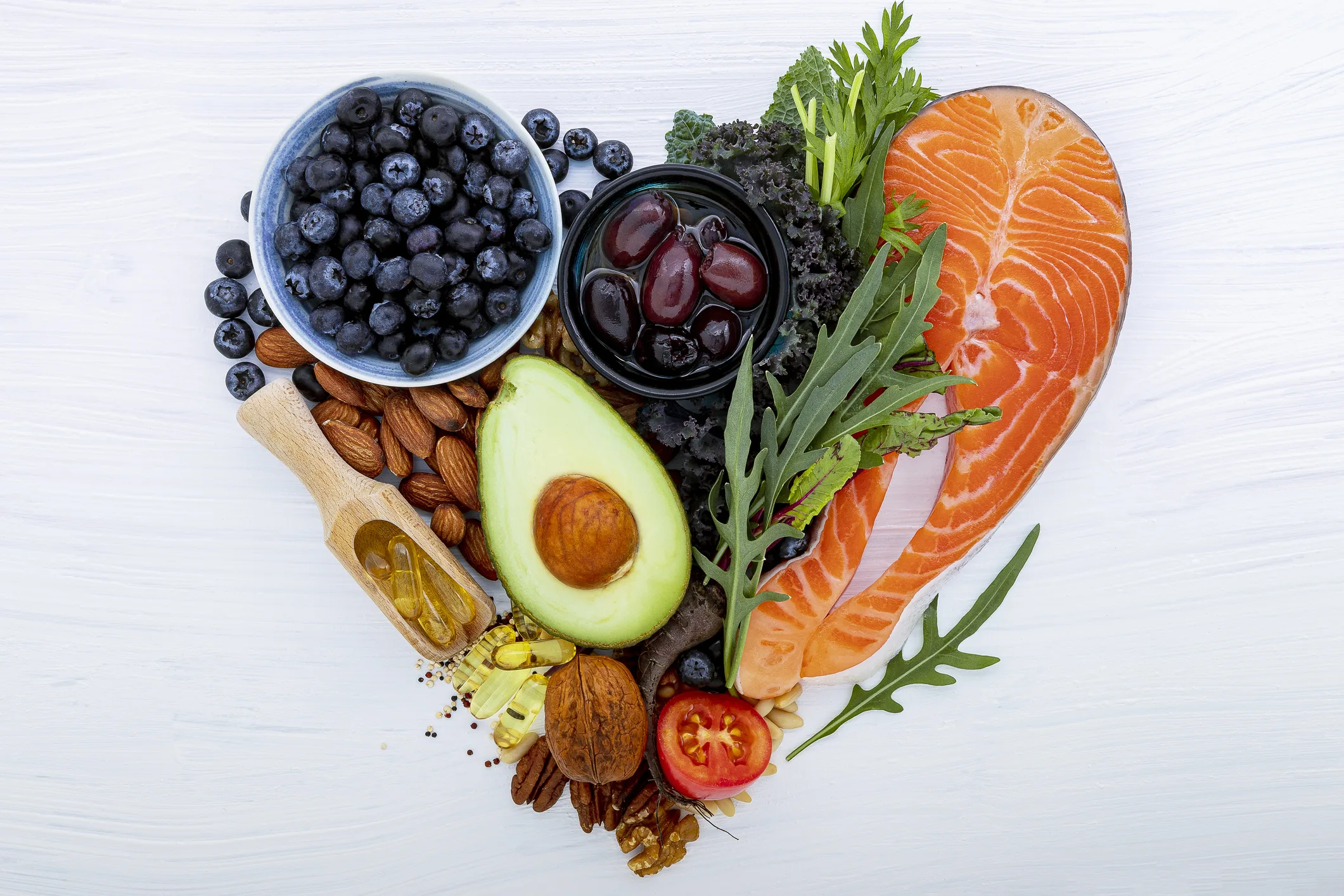
Omega-3 fatty acids, specifically eicosapentaenoic acid (EPA) and docosahexaenoic acid (DHA), are long-chain fats found abundantly in fatty fish like salmon, mackerel, and sardines.
- Why it matters after 60: Systemic inflammation tends to increase with age. Omega-3s help manage systemic inflammation, lower triglyceride levels, and support the structural integrity of brain cell membranes.
- What the research says: Clinical studies highlighted by the American Heart Association demonstrate that regular intake of EPA and DHA supports overall cardiovascular wellness and helps maintain cognitive function during normal aging.
- Key guidance: Aim for a combined daily dose of 500 mg to 1,000 mg of EPA and DHA. Look for third-party tested fish oil or algal oil (for plant-based diets) to ensure purity and freedom from heavy metals like mercury.
4. Magnesium: Muscle Function, Sleep, and Blood Pressure
Magnesium participates in more than 300 biochemical reactions in the human body, ranging from nerve signal transmission to blood glucose regulation.
- Why it matters after 60: Dietary surveys consistently show that older adults consume less magnesium through food than younger demographics. Additionally, age-related changes in gut absorption and certain prescription medications (such as diuretics and proton pump inhibitors) can deplete magnesium reserves.
- What the research says: Research published in the Journal of the American Geriatrics Society indicates that adequate magnesium levels are associated with better muscle performance, improved sleep quality, and better blood pressure management in seniors.
- Key guidance: Magnesium glycinate or citrate forms are generally better absorbed and gentler on the digestive tract than magnesium oxide. A daily dose of 200 mg to 320 mg is typical, but be cautious if you have underlying kidney conditions.
5. Probiotics: Restoring Gut Balance
The gut microbiome undergoes noticeable shifts as we age, often characterized by a decrease in beneficial bacterial diversity and an increase in opportunistic pathogens.
- Why it matters after 60: A declining gut microbiome can lead to chronic constipation, reduced nutrient absorption, and weakened immune responses (since roughly 70% of the immune system resides in the gut).
- What the research says: Studies in Frontiers in Immunology show that targeted probiotic strains (such as Bifidobacterium lactis and Lactobacillus rhamnosus) help reinforce the intestinal barrier and modulate immune responses in older populations.
- Key guidance: Choose a multi-strain probiotic with at least 5 to 10 billion CFUs (Colony Forming Units) and look for delayed-release capsules designed to survive stomach acid.
A Golden Rule Before You Begin
While targeted supplementation offers real health benefits, pills are meant to supplement a balanced diet, not replace one. More is not always better; high-dose supplements can interact unpredictably with prescription medications—such as Vitamin K interfering with blood thinners or high-dose calcium conflicting with certain blood pressure treatments. Always bring your full bottle array (or a detailed list) to your next annual checkup so your physician or clinical pharmacist can verify safe dosages and drug interactions.
Takeaway
Navigating nutrition in your 60s and 70s does not require a medicine cabinet that looks like a pharmacy warehouse. By focusing on evidence-based staples—rather than whatever exotic berry or elixir is currently trending on the internet—you can support your health with precision. Take your supplements, eat your vegetables, and enjoy the peace of mind that comes with making informed, sensible choices for your body.
Source: