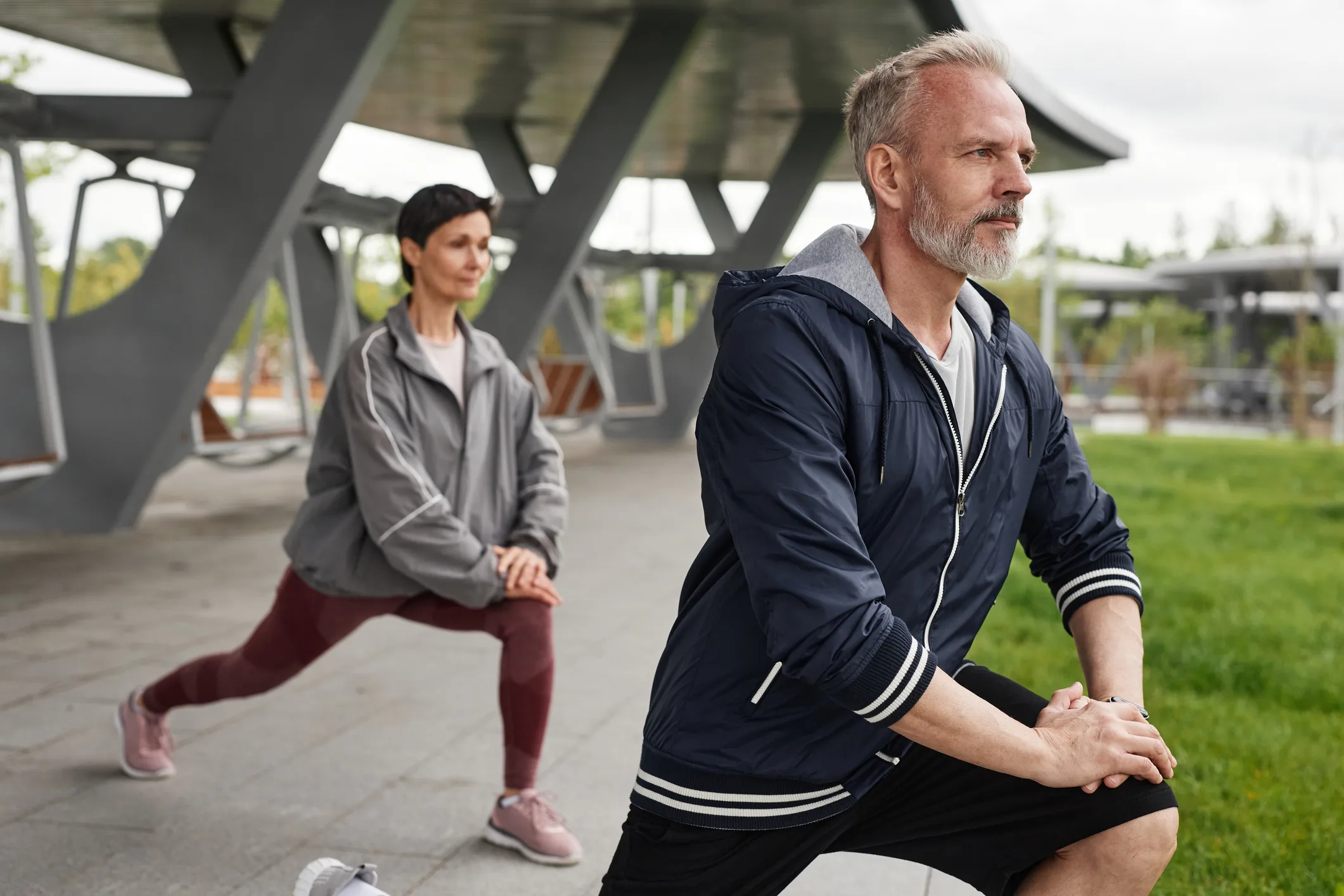
What if we told you there’s an exercise that can reduce your blood pressure, increase your brain health and prevent falls by increasing your balance. Interested?
Well it’s Tai Chi. The ancient (over 2,500 years old!) Chinese practice that combines a series of slow movements and physical postures with meditation and controlled breathing. These movements are designed to balance your bodies “chi”, sometimes referred to as the essence of life. That mysterious universal energy that provides vitality to all living things.
What’s important to note, is Tai Chi requires the ability to both perform these movements while simultaneously meditating and controlling your breathing. You’re using your body, but you’re also using your brain. That’s why it’s sometimes referred to as “meditation in motion” or “moving meditation.”
What are some of the benefits of Tai Chi for Older Adults?
Fall prevention
People who practice tai chi have up to 50 percent fewer falls than those who don’t, according to several large review studies. But “You have to stick with it for a while” say Elizabeth Eckstrom, Professor of Medicine, Division of General Internal Medicine and Geriatrics at Oregon Health & Science University. One hour, 2-3 days a week, for at least six months is normally required to see appreciable benefits, says Eckstrom.
Cognitive Ability
Tai Chi has been shown to help with learning, memory and other mental functions. For older adults who already have some cognitive issues, studies show tai chi can slow the progression to dementia. In fact, people who practice Tai Chi twice a week for six months improved their score on a cognitive test by 1.5 points. For those with mild cognitive decline “it’s the equivalent of giving you six extra years of cognition” says Eckstrom.
Stress Reduction
The mindfulness part of tai chi “has you focused on your body and breathing” rather than everything else going on in your life, “so the stress reduction effects are immense” says Ardeshir Hashmi, M.D., section chief of Cleveland Clinic’s Center for Geriatric Medicine.
Pain Relief
Tai chi can provide relief from several types of chronic pain, including pain caused by osteoarthritis and fibromyalgia. Tai Chi has been found to be equally effective to physical therapy for knee osteoarthritis. And fibromyalgia sufferers who did tai chi reported less pain compared to those assigned to do aerobic exercise.
Sleep Quality
A review of nine randomized trials published in the Journal of Sleep Disorders and Therapy reported that 1.5 to 3 hours of tai chi per week significantly improved sleep quality and enhanced functional ability in older adults.
Takeaway
Experts say the ancient practice of Tai Chi may be the No. 1 exercise for an aging brain and body. It prevents falls, improves mood, lowers blood pressure and relieves pain. What’s not to like? Give it a shot! 😊
Source: