So What Are Antioxidants Anyway?
Antioxidants neutralize harmful substances called free radicals before they can wreak havoc on your body. By doing this, antioxidants keep your cells healthy, which can slow aging and reduce your risk of serious diseases such as cancer and heart disease.
What Are Free Radicals?
Free Radicals are unstable molecules that form in your body daily from things like pollution, UV rays, cigarette smoke and even regular bodily processes like digestion.
When too many free radicals build up, they can damage cells, contributing to chronic inflammation and increasing the risk of heart attacks, strokes, Alzheimer’s and other serious conditions.
What Does This Mean For Your Diet?
A diet rich in antioxidants is essential for good health due to their impact on free radicals. By stocking up on antioxidants you can:
■ Reduce chronic inflammation: They protect artery walls and keep blood vessels flexible, kind of like giving your arteries a daily yoga stretch.
■ Prevent LDL cholesterol oxidation: Oxidized cholesterol sticks to artery walls, forming plaque that increases the risk of heart attacks and strokes. Antioxidants stop this sticky situation from happening.
■ Improve blood flow: Antioxidants like those found in beets and purple grapes relax and widen blood vessels, improving circulation and lowering blood pressure. Think of it as traffic control for your bloodstream.
■ Reduce blood clots: Antioxidants help prevent platelets from sticking together, reducing your risk of dangerous clots that could lead to a stroke.
What Kind Of Foods Are Rich In Antioxidants?
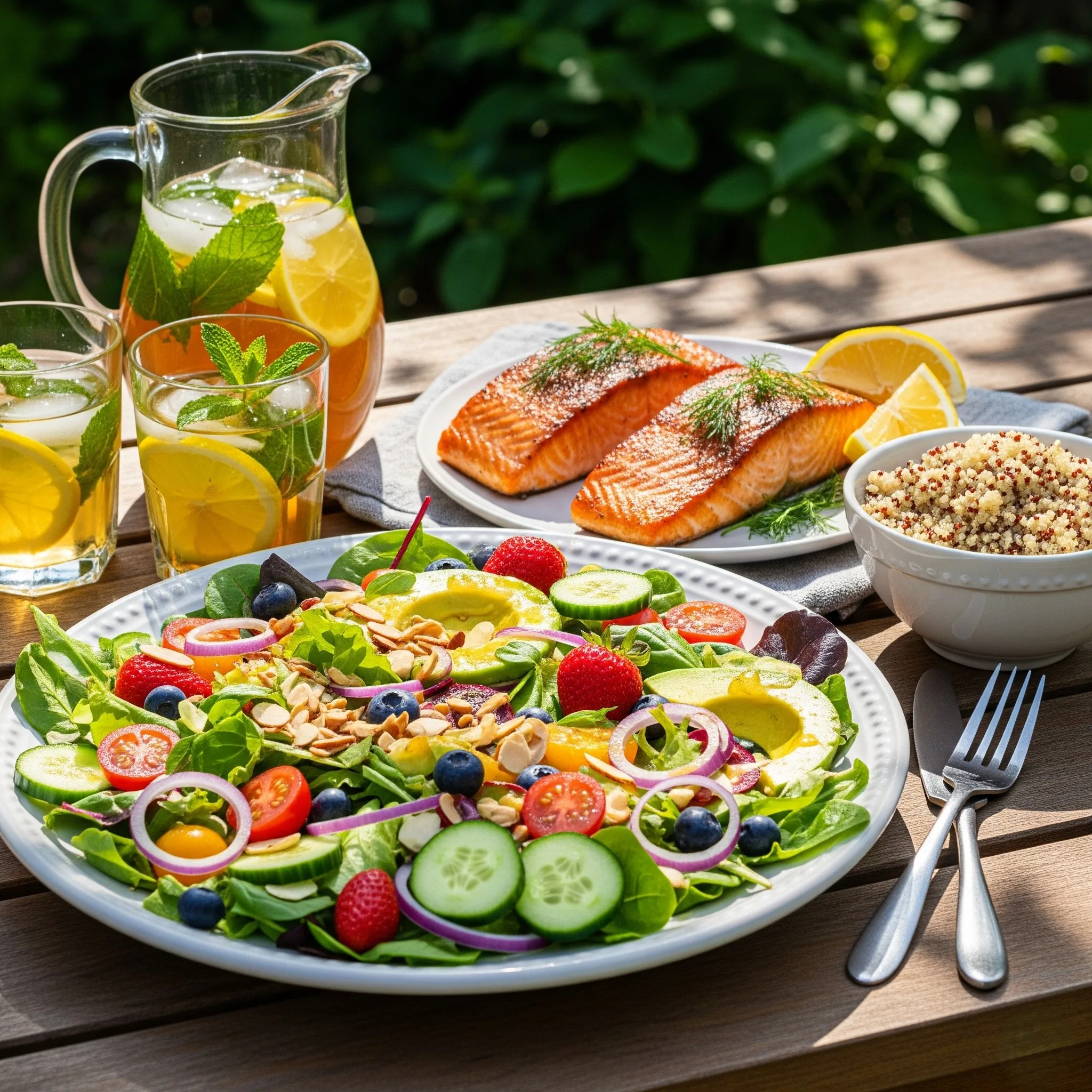
Top red foods
■ Tomatoes promote heart health and help fight certain cancers.
■ Red bell peppers reduce inflammation (plus, they make your salads pop).
■ Strawberries boost skin health and strengthen the immune system — a sweet win-win.
■ Pomegranates support heart health (and make your smoothies extra fancy).
■ Cherries help reduce inflammation and improve sleep — a bedtime snack with benefits.
■ Watermelon, aside from being perfect for summer picnics, hydrates and is great for skin health.
Top purple foods
■ Blueberries — tiny but mighty — support brain and heart health.
■ Purple grapes improve circulation and reduce inflammation.
■ Eggplant protects brain cells; plus, it’s great grilled with a bit of olive oil.
■ Purple cabbage promotes gut health and reduces oxidative stress.
■ Beets support heart health and help regulate blood pressure (your body’s natural performance enhancer).
Takeaway
Incorporating these antioxidant-packed foods can impact your life in many ways. You’ll reduce chronic inflammation, keep your arteries clean and prevent heart disease.
Sources:
These superpowered foods hold key to vibrant living, healthy aging