If you’ve spent any time lately negotiating with your body just to get out of a low-slung car or reach for a bag of flour on a high shelf, you’ve probably heard the well-meaning advice: “Don’t overdo it, you’ll wear out your joints.”
For years, we’ve treated our knees and hips like car tires—convinced that every mile we put on them brings us closer to the “bald” stage where we’re driving on the rims. But according to a massive scientific review of over 200 studies, it turns out our bodies aren’t made of rubber and plastic; they are living systems that actually thrive on stress.
The latest research indicates that aerobic exercise—not just rest or expensive “as seen on TV” supplements—is the absolute gold standard for managing achy, osteoarthritic joints. If you want to stop feeling like a rusty gate, it’s time to stop resting and start moving.
Motion is the Best Lotion
The “wear and tear” myth is one of the most persistent—and damaging—ideas in modern aging. In reality, our joints don’t have a direct blood supply. They rely on something called “imbibition” (which sounds like a fancy word for cocktail hour, but is actually much more productive).
When you move, the pressure changes inside your joints, circulating synovial fluid. Think of this as the “WD-40” of the human body. It lubricates the joint and delivers much-needed nutrients to the cartilage. When we sit still to “save” our joints, we’re actually starving them.
The study found that for those of us over 50, the biggest wins came from three specific types of “joint-friendly” cardio:
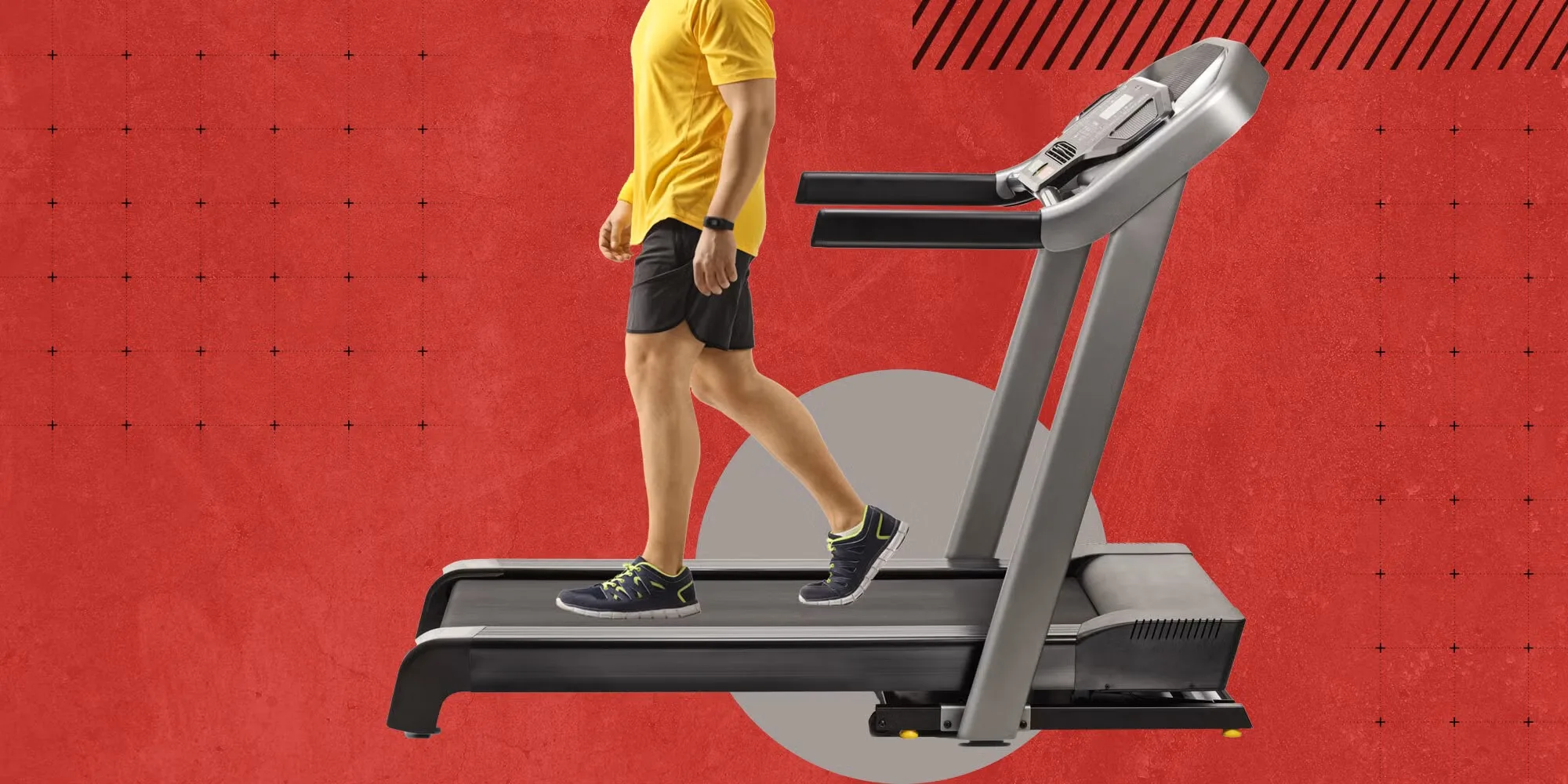
- Brisk Walking: The original low-tech miracle. It’s free, requires no spandex, and consistently ranks high for reducing pain. It’s the closest thing we have to a biological “oil change.”
- Cycling: Perfect for those whose knees have started filing formal grievances against the pavement. The circular motion provides high lubrication with almost zero impact.
- Aquatic Aerobics: The “zero-gravity” option. The water supports your weight, taking the pressure off your hips while providing natural resistance to strengthen the muscles that act as shock absorbers.
Why Cardio Beats the Rest (Mostly)
While strength training is still vital (nobody wants “noodle legs” when trying to climb a flight of stairs), aerobic activity showed the most consistent, long-term benefits for pain relief.
It isn’t just about the physical lubrication, either. Aerobic exercise helps manage systemic inflammation—the “fire” that makes arthritis feel so angry. By getting your heart rate up, you’re flushing out inflammatory markers that make your knees feel like they’re full of gravel. Plus, the endorphin rush acts as a natural Tylenol, minus the hard-to-open bottle.
Tips for Getting Started (Without the Groaning)
If the idea of a “workout” makes you want to crawl back under the covers, keep these science-backed strategies in mind:
- The 10-Minute Rule: You don’t need to join a CrossFit gym or train for a marathon. Ten-minute bouts of movement throughout the day are just as effective as one long, grueling session.
- Warm Up the Engine: A warm towel or a quick hot shower before your walk can “pre-grease” the joints, making those first few steps feel much smoother.
- Distinguish “Good” from “Bad” Pain: A little stiffness or a dull ache is usually just your body waking up. However, sharp, stabbing, or “lightning bolt” pain is your body’s way of saying, “Let’s take a breather.”
- The Post-Activity Chill: If you pushed it a bit too hard, 20 minutes of ice afterward can settle any temporary swelling and keep you ready for tomorrow’s “oil change.”
The Bottom Line
We might not be as springy as we were in the 1980s, and our “check engine” lights might come on a little more frequently, but we don’t have to be spectators. The science is clear: your joints aren’t wearing out; they’re waiting for you to use them. Whether it’s a brisk walk around the neighborhood or a few laps in the pool, your future self (and your knees) will thank you for keeping the gears turning.
Source:
This Type of Exercise May Be the Best Thing You Can Do for Achy Joints, According to Science