Let’s face it: by the time we hit 50, our relationship with “sports” changes. We spend less time dreaming of being the next Michael Jordan and more time wondering if our knees will make a suspicious clicking sound when we get out of the car. We’ve reached the age where “getting lucky” means finding a parking spot close to the entrance, and “pulling an all-nighter” just means we didn’t have to get up to use the bathroom at 3:00 AM.
But while we might not be sprinting like we used to, the science is in—and it’s surprisingly good news. According to recent findings highlighted by The New York Times, certain activities don’t just keep us busy; they literally add years to our odometer. And no, unfortunately, “competitive channel surfing” didn’t make the list.
The Longevity Leaderboard: Why Racket Sports Win
Recent research, including the long-running Copenhagen City Heart Study, has identified a clear front-runner in the race for longevity: racket sports. Tennis, in particular, was found to extend life expectancy by an average of 9.7 years compared to sedentary individuals. Badminton followed closely behind, adding about 6.2 years.
Experts believe these sports offer a “triple threat” of benefits:
- Physical Interval Training: The stop-and-start nature of tennis and badminton mimics high-intensity interval training (HIIT), which is highly effective for cardiovascular health.
- Cognitive Engagement: Unlike a treadmill, where you can mentally “zone out,” racket sports require constant strategy, hand-eye coordination, and split-second decision-making.
- Social Connection: Perhaps the most critical factor, these sports require a partner or a team. Social isolation is a significant health risk for adults over 50; the camaraderie found on the court acts as a buffer against the psychological effects of aging.
Aerobic Powerhouses: Cycling, Swimming, and Jogging
While they didn’t take the top spot, traditional aerobic exercises remain pillars of a long life. The data shows that consistent participation in these activities significantly lowers the risk of cardiovascular disease and certain cancers.
- Cycling: Linked to a 3.7-year increase in life expectancy. It provides a vigorous workout with minimal impact on the joints, making it ideal for those managing osteoarthritis.
- Swimming: Adds approximately 3.4 years. It is unique in providing full-body resistance and improved lung capacity while being almost entirely weightless, which protects the spine and hips.
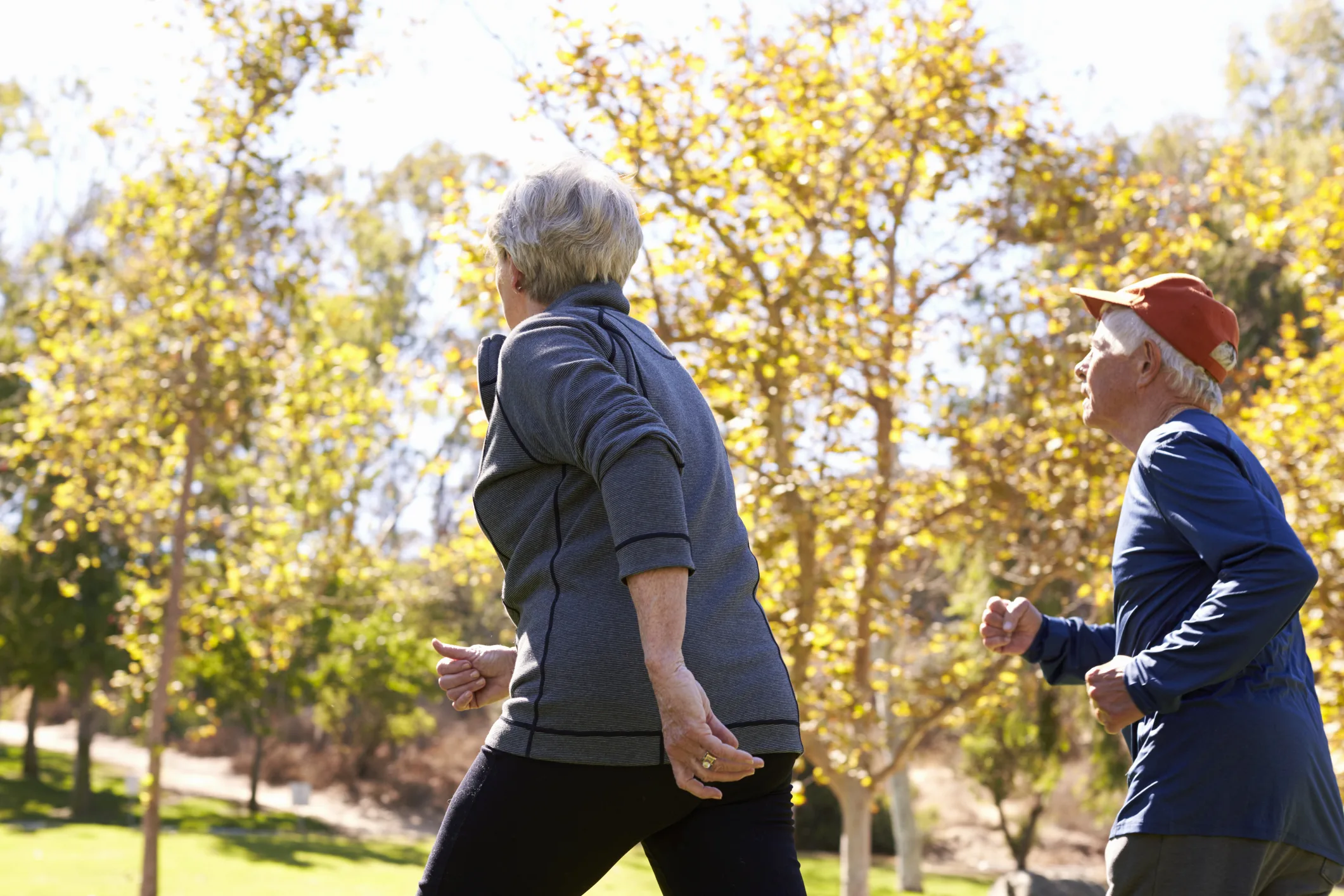
- Jogging: Contributes roughly 3.2 years of extra life. Even low-to-moderate intensity jogging provides the weight-bearing stimulus necessary to maintain bone density and prevent osteoporosis.
The Importance of Resistance and Balance
The New York Times report emphasizes that as we age, cardio is only half the battle. After age 50, muscle mass begins to decline more rapidly—a process known as sarcopenia.
- Strength Training: Research indicates that just 60 minutes of resistance training per week can reduce the risk of early death by up to 25%. It preserves the muscle mass required for independent living and metabolic health.
- Functional Movement: Sports like golf (which adds about 7 years of life expectancy) and soccer (4.7 years) require rotational power and balance. Maintaining balance is the primary defense against falls, which are a leading cause of injury in older populations.
Keys to a Sustainable Routine
To maximize the benefits of these sports, consistency is more important than intensity. Experts recommend a balanced approach to stay active well into your 80s and 90s:
- Aim for 150 Minutes: Weekly moderate-intensity aerobic activity remains the gold standard for heart health.
- Mix Your Modalities: Combine a social sport (like tennis or pickleball) with a solitary strength or flexibility routine (like lifting or yoga) to cover all physiological bases.
- Prioritize Recovery: As recovery times lengthen with age, ensure you are allowing 48 hours between high-impact sessions to prevent overuse injuries.
Takeaway
So, there you have it. It turns out that the secret to eternal youth isn’t found in a fancy face cream or a “superfood” that tastes like lawn clippings. It’s actually found in picking up a racket and trying to hit a fuzzy yellow ball while wearing slightly-too-short shorts.
Sure, we might be a little slower on the court than we were in 1985, and our “victory dance” might look more like a gentle stretching routine, but the data is clear: staying in the game is the best way to make sure the game keeps going. So, find a partner, book a court, and try not to take it too seriously. After all, at our age, the only thing we should be truly competitive about is who gets to choose where we go for early-bird dinner afterward. Stay active, stay social, and keep moving!
Source: