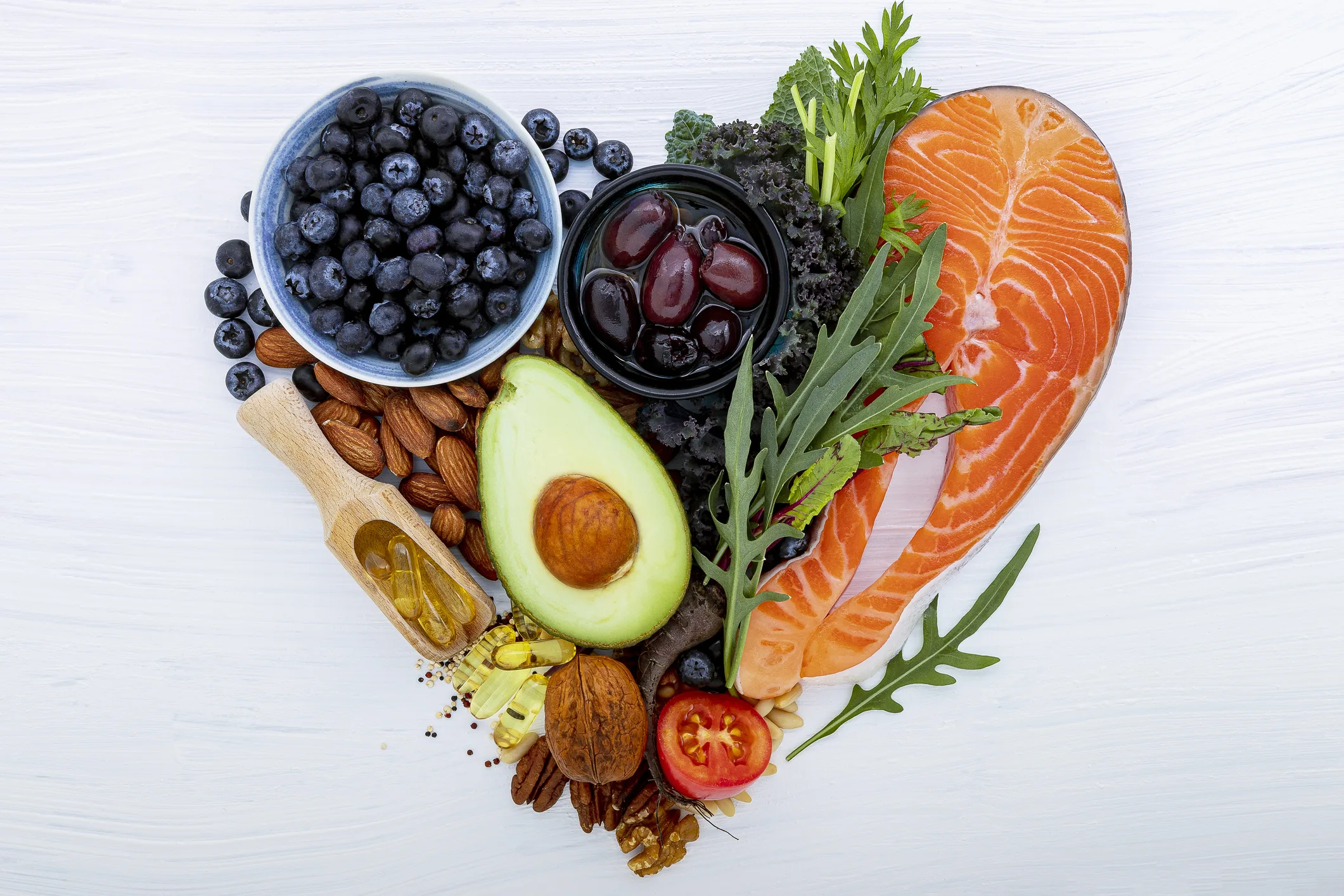
A new study published in the journal Nutrients found that older adults who regularly consume nuts, of any type, may have better cognitive health. The research team found that those with higher nut intake had a 68% lower likelihood of cognitive impairment.
Diet and Brain Health
It’s no surprise that the world is aging. And with the aging world population, cognitive decline has become a growing public health concern. Dementia and related conditions affect millions worldwide, with risk factors ranging from genetics to lifestyle choices. While some preventive strategies remain elusive, growing research has highlighted the potential of diet in maintaining brain health.
Nutrient-rich foods, particularly those in the Mediterranean diet, are associated with better cognitive function. Nuts, a staple of this diet, are packed with healthy fats, antioxidants, and polyphenols, compounds known for their neuroprotective effects. Some studies suggest that nut consumption can reduce oxidative stress and inflammation, both of which are linked to cognitive impairment.
What did the study find?
In this cross-sectional study, the researchers analyzed data from 883 adults aged 50 and older, drawn from the Mediterranean Healthy Eating, Aging, and Lifestyles (MEAL) study in southern Italy. They questioned these adults on their daily intake of various nuts, including almonds, walnuts, hazelnuts, peanuts, and chestnuts and compared those results with their cognitive function.
The study found that higher nut consumption was significantly associated with a lower prevalence of cognitive impairment in older adults. Specifically, individuals who consumed more than 11.7 grams of nuts daily (between 1/8 – 1/4 cups) had 68% lower odds of cognitive impairment compared to those who ate fewer nuts. And what was really interesting is it didn’t matter what type of nut the individual ate.
Takeaway
Nuts are a great snack, especially between meals since they are filling (sort of 😏), low in calories and great for your brain health. So what are you waiting for? Go grab them nuts!
Source:
Nut Consumption Is Associated with Cognitive Status in Southern Italian Adults