To understand the Nordic Viking approach to physical fitness and diet it’s important to recognize the environment in which these legendary seafaring warriors lived. The harsh climates of Scandinavia demanded resilience and adaptability. Vikings needed to be strong to survive, whether they were rowing long distances, engaging in hand-to-hand combat, or laboring in the fields. Their diet and physical activities were naturally aligned with these demands, emphasizing whole foods and functional, full-body movements.
1. The Viking Approach to Physical Fitness
Viking fitness was functional. Unlike modern bodybuilders who focus on aesthetics, Vikings trained their bodies for survival and combat. Their activities naturally built strength, endurance, and agility.
A. Embrace Functional Training
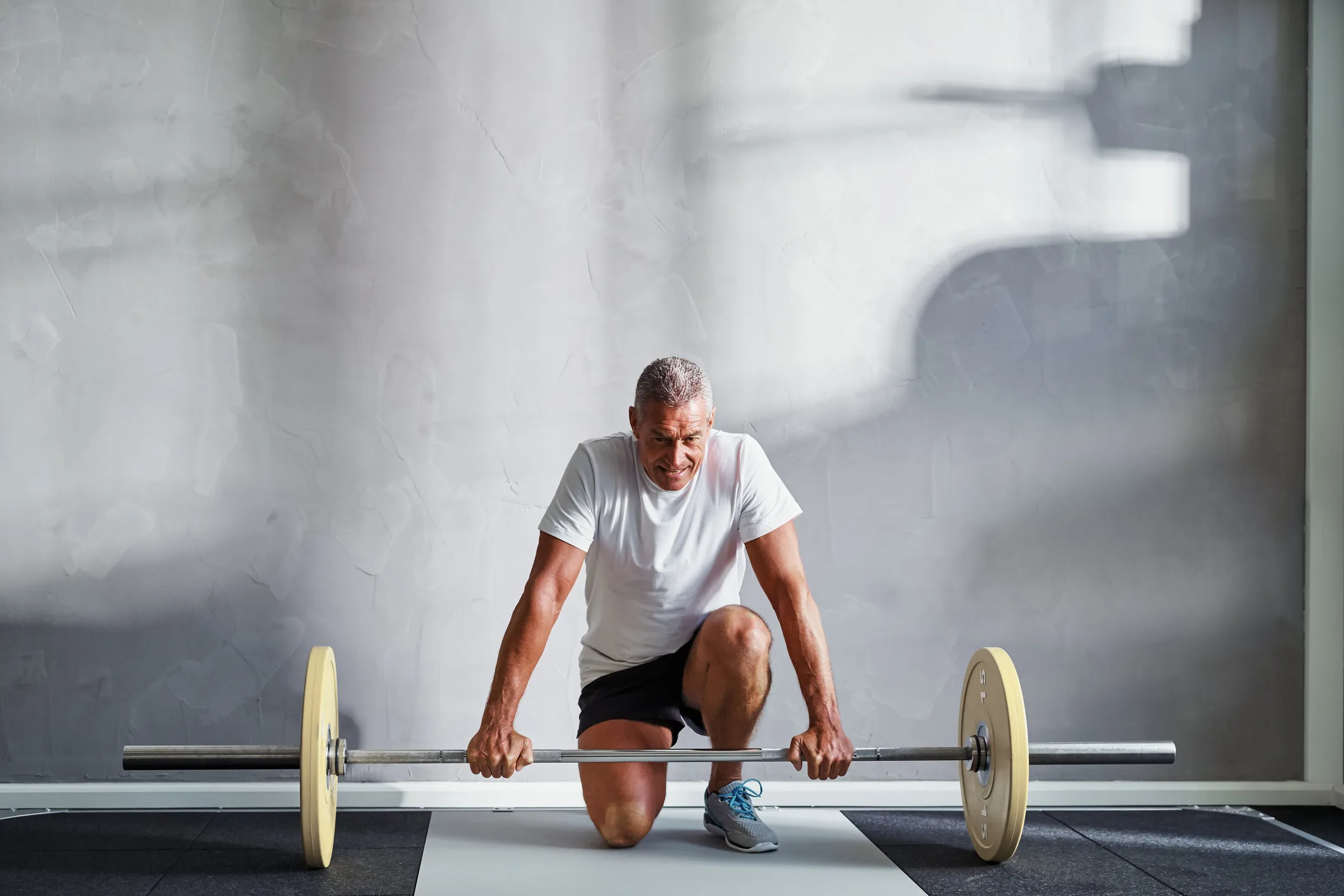
Functional training is the cornerstone of Viking fitness. This type of exercise focuses on movements that mimic real-life actions, engaging multiple muscle groups simultaneously. Here are some functional exercises inspired by Viking activities:
- Deadlifts: Simulate lifting heavy loads, like sacks of grain or barrels.
- Farmer’s Walk: Carry heavy weights in each hand for a set distance, mimicking the carrying of supplies or weapons.
- Tire Flips: Imagine flipping over a small boat or a large shield.
- Sledgehammer Workouts: Swing a sledgehammer to mimic the actions of striking an opponent or building with heavy tools.
These exercises not only build strength but also improve your stamina and core stability, which are crucial for maintaining endurance in strenuous activities.
B. Rowing for Endurance
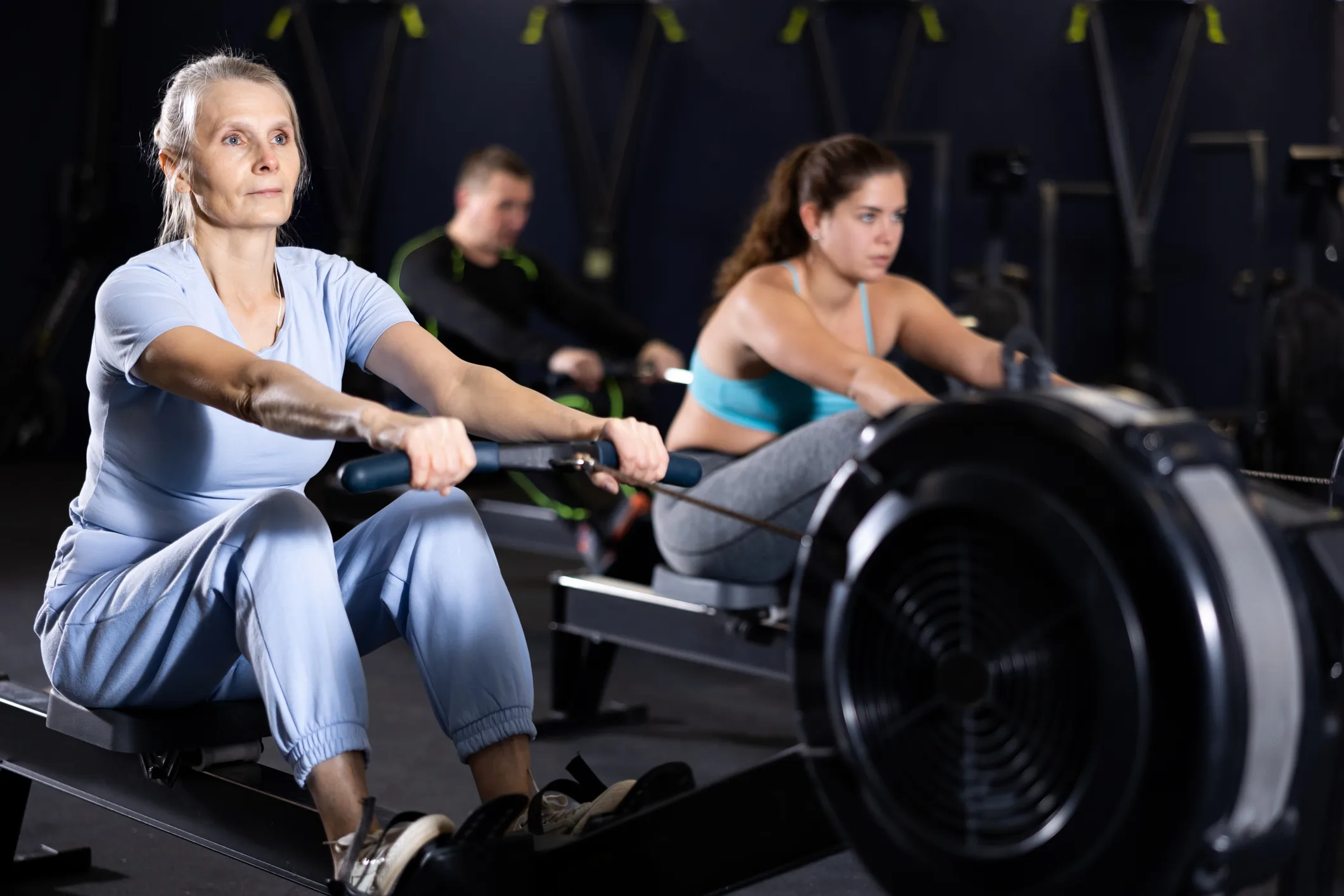
Vikings were skilled sailors, often spending days at sea rowing their longships. Rowing is an excellent cardiovascular workout that also builds muscular endurance, particularly in the back, shoulders, and arms.
- Rowing Machine: Incorporate high-intensity intervals on a rowing machine into your workout routine.
- Kayaking or Canoeing: For a more authentic Viking experience, take to the water in a kayak or canoe. This also adds an element of adventure and connection to nature, much like the Vikings would have experienced.
C. Bodyweight and Combat Training
Vikings relied on their bodyweight for strength training, engaging in activities like wrestling and hand-to-hand combat.
- Push-Ups and Pull-Ups: These basic exercises build upper body strength and mimic the pushing and pulling motions used in combat.
- Grappling and Wrestling: Find a local class or partner to practice these combat skills. They enhance your agility, coordination, and full-body strength.
2. The Viking Diet: Fueling the Warrior Within
The Viking diet was simple, consisting of what they could hunt, fish, gather, or grow. Their diet was rich in protein, healthy fats, and fiber, providing sustained energy and supporting muscle growth and recovery.
A. Protein-Rich Foods
Vikings consumed large amounts of protein to fuel their active lifestyle. Protein is essential for muscle repair and growth, especially when you’re engaging in intense physical activities.
- Meat: Beef, pork, lamb, and wild game were staples. Include lean cuts in your diet, prepared simply through roasting or stewing.
- Fish: Being seafarers, Vikings ate a lot of fish. Incorporate fatty fish like salmon, mackerel, and herring, which are high in omega-3 fatty acids.
- Dairy: Products like milk, cheese, and skyr (a type of Icelandic yogurt) were commonly consumed. These are good sources of both protein and healthy fats.
B. Carbohydrates: Energy for the Long Haul
Carbohydrates were crucial for Vikings, providing the energy needed for long voyages and labor-intensive tasks.
- Whole Grains: Include barley, rye, and oats in your diet. These grains are not only filling but also provide a steady release of energy.
- Root Vegetables: Potatoes, turnips, and carrots were commonly eaten. They are nutrient-dense and provide essential vitamins and minerals.
- Fruits and Berries: While fresh fruits were seasonal, dried fruits and berries were consumed throughout the year, offering a natural source of sugar and antioxidants.
C. Healthy Fats
Fat was a vital part of the Viking diet, providing a dense source of calories to sustain their energy levels.
- Animal Fats: Vikings consumed the fat from animals, which was often used in cooking or preserved in various ways.
- Nuts and Seeds: These were eaten as snacks or used in cooking, offering a good balance of protein, fat, and fiber.
- Oils: While vegetable oils were not available, animal fat and butter were used in cooking. Today, you can use olive oil or other healthy oils to replicate this aspect of the Viking diet.
Summing it up
Adopting a Viking-inspired lifestyle can be a rewarding way to build strength, resilience, and overall health. By focusing on functional fitness, eating a nutrient-dense diet, and incorporating elements of the Viking way of life into your daily routine, you can channel the power of these ancient warriors. Remember, the goal isn’t just to look strong but to be strong, both physically and mentally, ready to face the challenges of modern life with the same Vigor that the Vikings faced theirs.
Unleash your inner Viking and start your journey toward a healthier, more powerful you!
Source: