As we gracefully (or perhaps not so gracefully) navigate our sixties and beyond, our blood pressure sometimes behaves like a rebellious teenager—spiking for no apparent reason and ignoring all reasonable commands to settle down. You might be tired of the endless medication adjustments or the well-meaning advice from younger relatives to “just take up jogging.” Well, there is good news: the latest scientific breakthrough in blood pressure management requires absolutely no running, no brightly colored Lycra workout gear, and barely any movement at all. In fact, it essentially requires you to just go sit against a wall.
The Power of Isometric Exercise
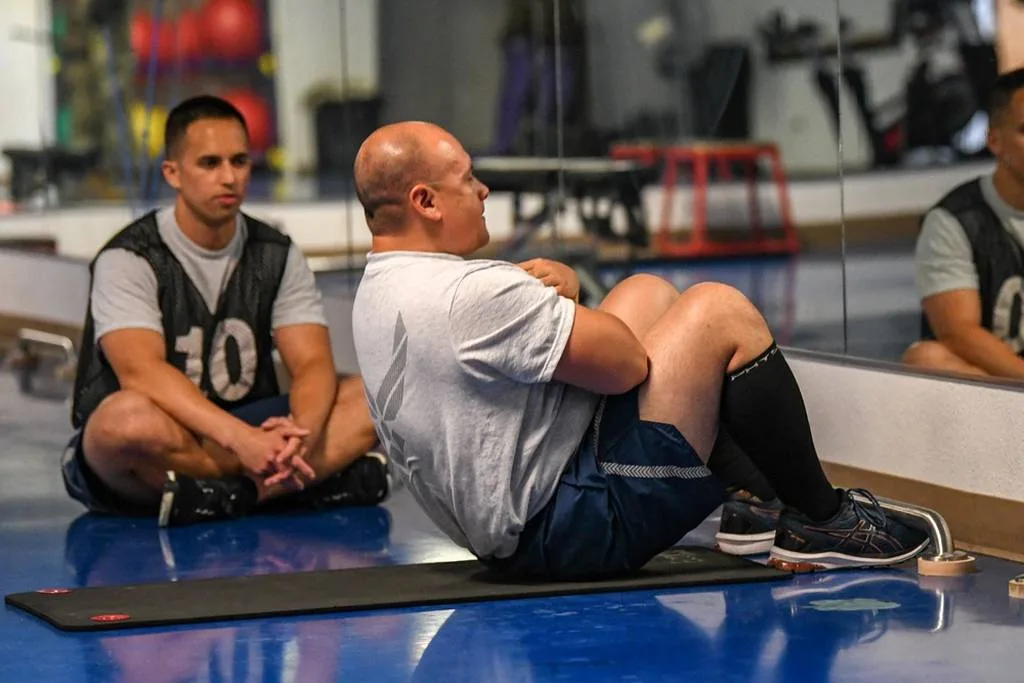
A recent study published in the BMJ Open Sport & Exercise Medicine explores the remarkable cardiovascular benefits of isometric exercise training (IET). Unlike aerobic exercises that involve continuous movement, isometric exercises involve engaging and contracting your muscles without actually changing their length or moving your joints. The most common and effective example of this is the “wall squat” (or “wall sit”).
According to the study, led by researchers Harry T. Swift and Charles Pedlar, isometric exercises are incredibly time-efficient and have been proven to consistently demonstrate clinically meaningful reductions in resting blood pressure. The standard protocol requires only about 15 minutes per session, consisting of four 2-minute exercise holds, separated by two minutes of seated rest.
Key Findings from the Latest Research
The researchers sought to discover not just if isometric exercises work, but exactly how often adults need to perform them to maintain their cardiovascular benefits over time. They tracked 100 adults with normal to high-normal blood pressure. After an initial four-week period of performing lower-body isometric exercises three times a week, participants were divided into different maintenance routines to see how their bodies reacted.
The results were highly revealing regarding the “dose-response” relationship of this specific exercise:
- Significant Initial Reductions: After just four weeks of training three times a week, participants experienced significant, measurable drops in systolic blood pressure, diastolic blood pressure, and overall mean arterial pressure.
- The Cost of Quitting (0 days a week): Participants who stopped the exercises entirely saw their blood pressure revert almost entirely back to their higher, baseline levels within just a few weeks.
- Partial Maintenance (1 to 2 days a week): Dropping the frequency to just one or two sessions per week was enough to partially maintain the initial blood pressure reductions. The researchers noted this is a pragmatic, helpful option for individuals with limited time or who struggle with adherence.
- The Optimal Dose (3 days a week): Only the group that continued exercising three times a week fully maintained their blood pressure improvements alongside critical underlying vascular health benefits, including better total peripheral resistance (how easily blood flows through the vessels) and improved heart rate variability.
Highlighting the physiological mechanisms at play, sports medicine physician Dr. Michael Fredericson noted in recent coverage of the findings: “Isometric exercise seems to promote cardiovascular adaptations that can lower blood pressure. Over time, this training can enhance the cardiovascular system’s ability to regulate blood pressure.”
How to Implement the Wall Squat Safely
For adults aged 60 and older, joint safety and proper form are paramount. The Mayo Clinic and other leading medical institutions support isometric training because it is highly accessible and requires absolutely no specialized equipment.
To safely perform a wall sit at home:
- Positioning: Stand with your back flat against a sturdy wall. Step your feet out about 1.5 to 2 feet away from the wall, keeping them shoulder-width apart.
- The Descent: Slowly slide your back down the wall while bending your knees.
- Modify for Your Joints: You do not need to drop down into a perfect 90-degree angle. Lower yourself only as far as is comfortable for your knees and hold the position.
- Breathe: This is the most important step. Breathe slowly and continuously. Never hold your breath during an isometric hold, as doing so can temporarily spike your blood pressure.
- The Goal: Work your way up to holding the pose for two minutes, resting for two minutes, and repeating this four times.
Takeaway
So, the next time your physician tells you that you need to get your blood pressure under tighter control, you can confidently tell them you plan to spend your afternoons doing absolutely nothing against a wall. Just remember to start small—there are no gold medals awarded for turning your thigh muscles to jelly on day one. Keep your routine consistent, remember to keep breathing, and enjoy the distinct satisfaction of improving your heart health without ever having to put on running shoes.
Source: