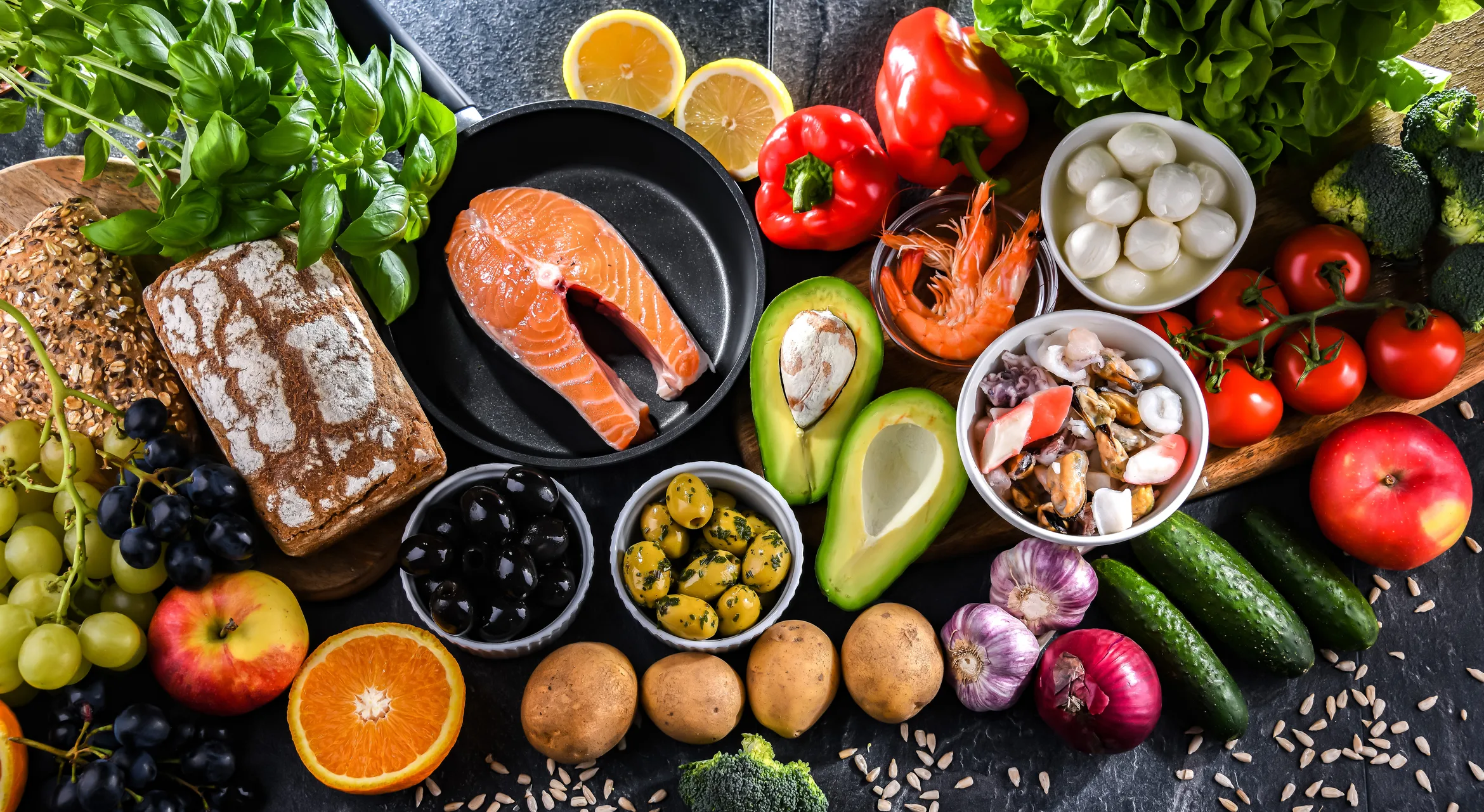
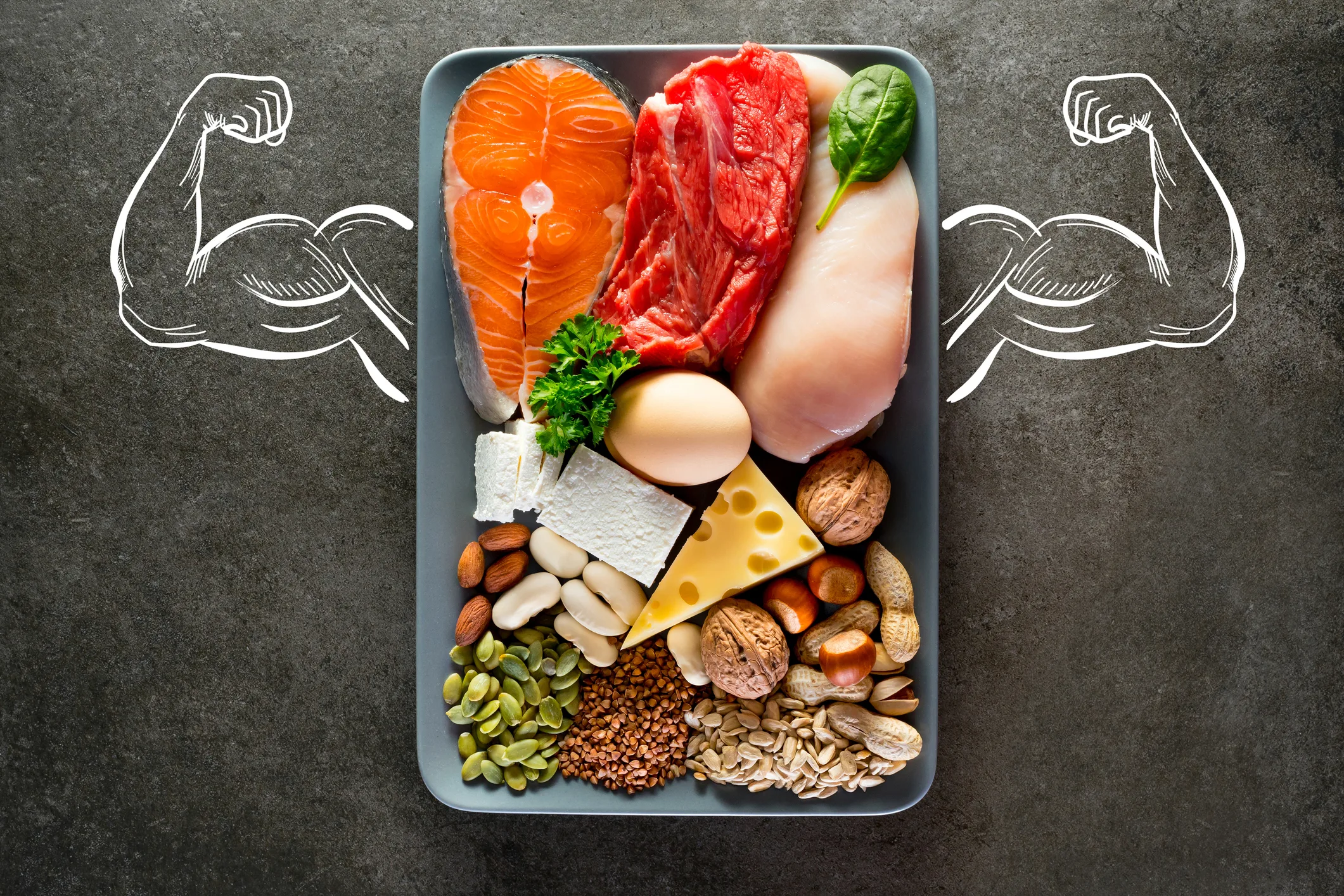
Newsweek recently asked 14 nutrition experts (both dietitians and nutritionists) what they eat for breakfast and the results were not surprising.
Mix It Up
Only 4 said they stick to the same thing for breakfast and one, Nutritionist Sarah Herrington, from Brio-Medical Cancer Clinic, admitted she didn’t eat breakfast at all. “I generally practice intermittent fasting to support gut health and wait until midday to have my first meal.” said Herrington.
So the key is to mix things up to keep it interesting. Variety will allow you to maintain healthy choices.
3 of the nutritionists stick to liquid breakfasts
These include smoothies with proteins which are “convenient, easy and a great way to start the day with at least 30g of protein, fruits and veggies” said Lindsay Malone, nutritionist at Case Western Reserve University.
Other’s drink black tea, golden milk (warm, spiced, turmeric milk), kefir or green juice (cucumbers, lemon, ginger, kale and pears) with breakfast
9 of the nutritionists prefer overnight oats or oatmeal
Overnight oats are a popular breakfast option that involves soaking rolled oats in liquid, usually milk or a plant-based milk alternative, overnight in the refrigerator. The oats absorb the liquid, softening and creating a creamy texture. This results in a “the perfect vessel for a well-balanced meal” said Alex Evink, dietitian at Moderately Messy RD. “Chia seeds and fresh fruit can be added to increase fiber and antioxidant intake, while milk, Greek yogurt and protein powder help make them higher in protein,” she said.
5 of the nutritionists highlight avocado as a breakfast favorite
Daryl Gioffre, nutritionist and founder of Alkamind, said Avocado contains “a good amount of fiber, potassium, vitamin K, vitamin E and folate, all of which lower inflammation and support a healthy gut microbiome.”
7 of the nutrition experts recommend eggs
Eggs, either scrambled or in an omelet, with greens, vegetables, cottage cheese, or spinach was a popular choice. However, Carolina Schneider, dietitian at Daily Harvest, preferred tofu scramble with vegetables as “a savory and protein-packed breakfast” rather than eating scrambled eggs.
What about Greek Yogurt?
We here at Active Aging News prefer greek yogurt as our goto breakfast staple as it provides the following benefits:
- High in Protein: Greek yogurt is a great source of protein, which helps you feel fuller for longer, reducing cravings and promoting weight management.
- Probiotics: It’s packed with probiotics, beneficial bacteria that support gut health, aiding digestion and potentially boosting your immune system.
- Rich in Nutrients: It is a good source of calcium, phosphorus, and vitamin B12, essential for bone health, energy production, and nerve function.
- Versatile: You can customize it easily by adding fruits, nuts, seeds, honey, or granola to create a delicious and nutritious breakfast.
- Low in Calories: It is a low-calorie option, making it a guilt-free choice for a satisfying start to your day.
- Aids Muscle Recovery: The protein in Greek yogurt can help repair and build muscle tissue, making it a great choice for post-workout recovery.
Remember, the yogurt should be plain and unsweetened. You can, however, add your own sweeteners and toppings as long as you control your sugar intake.
Source: