2 MIN. READ

What should men 50+ know about protein?

AdobeStock/qunica.com

Muscle Maintenance:

As we age, our bodies naturally lose muscle mass, a condition known as sarcopenia. Protein is the building block of muscle, and adequate intake helps prevent this muscle loss.  Consuming enough protein can help maintain strength, improve balance, and enhance overall mobility.

Metabolic Health:

Protein helps boost metabolism, which can aid in weight management.  It also helps regulate blood sugar levels, reducing the risk of type 2 diabetes.

Bone Health:

While calcium is often associated with bone health, protein also plays a crucial role.  Adequate protein intake can help improve bone mineral density and reduce the risk of fractures.

How Much Protein Do You Need?

For adults aged 50+, in particular men, it is recommended to consume 1.2  – 1.6 grams of protein/kg of body weight per day (0.54 – 0.72 grams/pound body weight per day). For a 165-pound adult, this translates to roughly 90 – 120 grams of protein per day.

To build muscle past the age of 50, men need to eat enough protein AND do weight training. Additionally, as much as possible, try to consume 30 – 35 grams of protein within two hours of a workout.

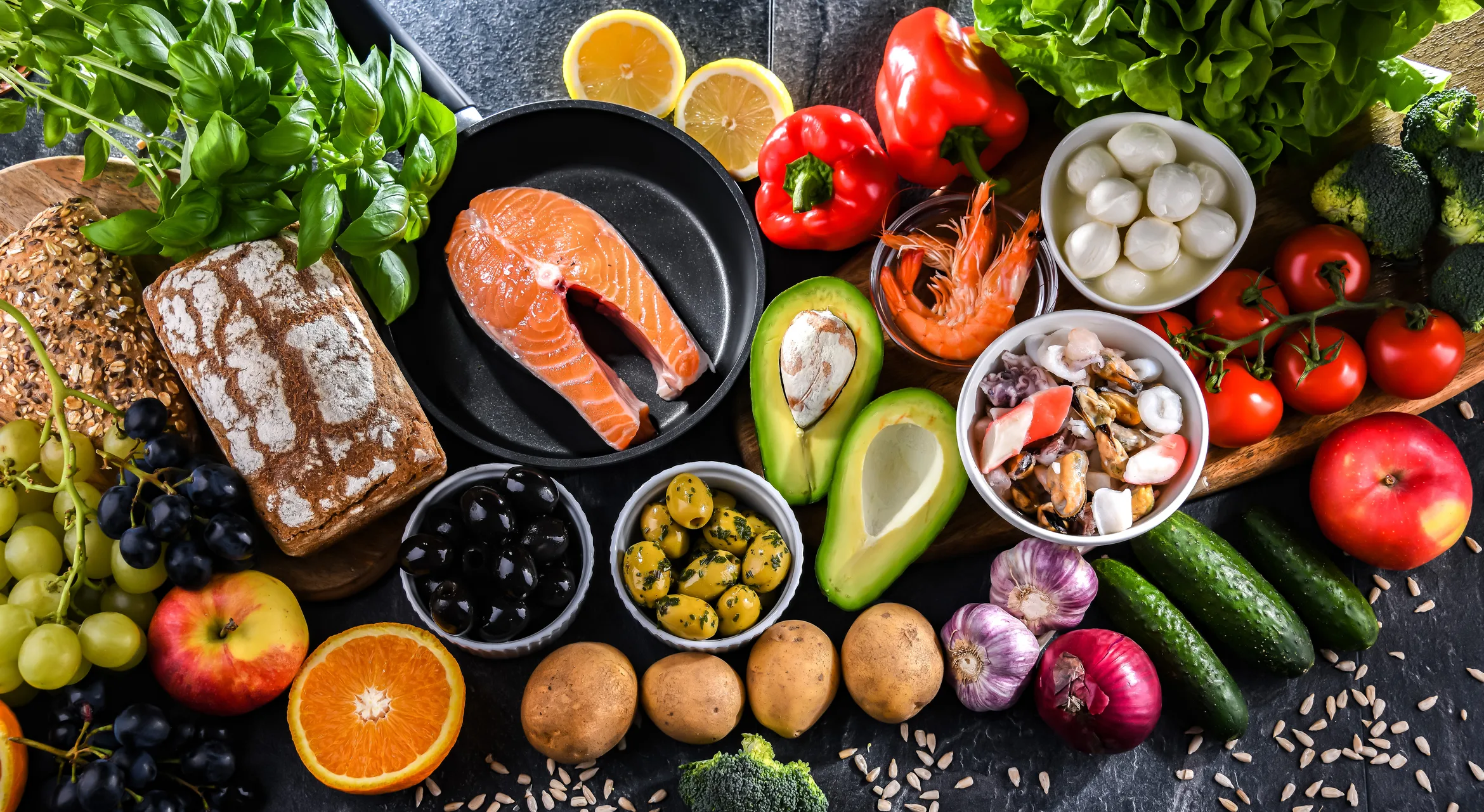
Good Sources of Protein:

  • Lean meats: Chicken, turkey, fish
  • Dairy products: Milk, yogurt, cheese
  • Eggs
  • Legumes: Beans, lentils, chickpeas
  • Nuts and seeds
  • Soy products: Tofu, tempeh


 Tips for Incorporating More Protein into Your Diet:

  • Start your day with a protein-rich breakfast, such as eggs or Greek yogurt.
  • Include a protein source in every meal and snack.
  • Consider protein supplements, especially if you struggle to meet your daily protein needs through diet alone.


Source:

Protein Needs for Adults 50+

A Guide to Foods Rich in Soy

Share the Post:

Active Aging News

Weekly Newsletter

RELATED NEWS

Concept of eating too much of sweets. Cropped closeup photo of cheerful girl enjoying eating sweets holding almost empty plate in hands isolated grey background

How Long Does It Take Your Brain To Catch Up To Your Stomach?

Asian noodle soup, ramen with chicken, tofu, vegetables and egg in black bowl. Top view. Copy space. Slate background.

Redefining the Bird: Why Poached Chicken is the Longevity Superfood You Actually Want to Eat

Happy multiracial family having breakfast in the kitchen - daughter pouring the milk into her father's mug

Whole Milk vs. Low-Fat: Ditching the Dairy Dogma After 50

Food products representing the MIND diet

Forget Memory Loss: This Diet Rewires Your Brain for Sharpness

Pouring Tea Into Glass on a wooden table during sunset

Sip Your Way to Better Health: The Remarkable Benefits of Tea

OTHER STORIES

Pill, medicine and portrait of senior woman for pharmaceutical, medical product and retirement health. Happy elderly person hand holding tablet or supplement for healthy life and vitamins healthcare

The Workout in a Bottle? How Science is Engineering an Exercise Pill

Group Of Mature Friends Sitting Around Table Enjoying Outdoor Meal In Backyard

Boomers vs Millennials: Who Eats Better?

Senior man at gym sitting on bench press looking at watch

Science Says Time Actually Slows Down When Working Out

3d illustration of HIV virus. Medical concept

Could An Existing HIV Medication Hold the Key to Preventing Alzheimer’s?

Resistance band, physiotherapy and hands of woman for consulting, medical service and wellness. Healthcare, chiropractor and physical therapist with patient for rehabilitation, recovery and mobility

Exercising Safely with Arthritis and Joint Pain

Female bare feet with weight scale

The Difference Between “Losing Weight” and “Losing Health” After 50

[chatbot style="floating"]

Please enter your email to access your profile