Remember those cartons of skim milk proudly proclaiming they were the “healthy” choice? For years, the official advice hammered home one simple rule: Fat is bad, whole milk is out. We diligently chose 2%, 1%, or even water-like skim, convinced we were saving our hearts.
Well, as we’ve learned many times in life, what’s popular isn’t always right. A large study spanning decades and focusing on Norwegian adults has provided some much-needed clarity, and the results might let you put a little more flavor back into your coffee.
The core finding? When it comes to how long you live and your risk of dying from cardiovascular disease (CVD), the type of milk you choose—low-fat or whole—didn’t seem to make a significant difference.
The Great Milk Experiment: What the Study Found
This research was massive. It followed thousands of Norwegian men and women, monitoring their dietary habits—specifically their milk consumption—over a very long period (data was collected between 1974 and 1988!).
Here’s what the investigators were tracking and what they learned:
-
The All-Cause Mortality Question
Mortality simply means death from any cause. For those who enjoy milk, the study found:
-
- No Significant Difference: Whether participants drank low-fat or whole milk, there was no strong association with an increased or decreased risk of all-cause mortality. It seems the fat content of your milk isn’t the primary driver of how many candles you’ll blow out.
-
Cardiovascular Disease (CVD) Risk
This is where the low-fat recommendation has always hung its hat. The results were consistent:
-
- Similar Outcomes: Consumption of low-fat milk and consumption of whole milk showed comparable associations with CVD-related mortality. In other words, sticking to low-fat milk didn’t magically grant you superior heart protection compared to those who drank full-fat versions.
Why the Dairy Rules Are Changing
If milk fat contains saturated fat (which it does), and saturated fat has historically been villainized for heart health, why is this study suggesting no big difference?
The answer lies in how our bodies process food and how the entire food matrix functions:
- It’s the Whole Package: Milk is complex. It contains not just fat, but also essential nutrients like calcium, Vitamin D, and protein. These beneficial components may offset any theoretical negative effects of the saturated fat found in whole milk.
- The “Satiety Factor”: Low-fat products often leave people feeling less satisfied, which can lead to compensating by eating more calories later from other, less healthy sources (like that bowl of sugary cereal you needed because your skim milk wasn’t filling). Whole milk helps you feel full, which can indirectly aid overall diet quality.
- Context is Key: The quality of the rest of your diet matters far more than whether your milk is 1% or 3.5%. If you’re pairing either milk with a donut, the milk fat is the least of your worries.
Your New Milk Strategy After 50
The biggest takeaway for those of us over 50 is that the guilt-ridden need to avoid whole milk is likely outdated. You can now choose based on flavor, texture, and enjoyment, without fearing for your heart health.
What This Means for Your Cart:
- Choose based on preference and enjoyment. If the creaminess of whole milk genuinely makes your breakfast more satisfying, go for it.
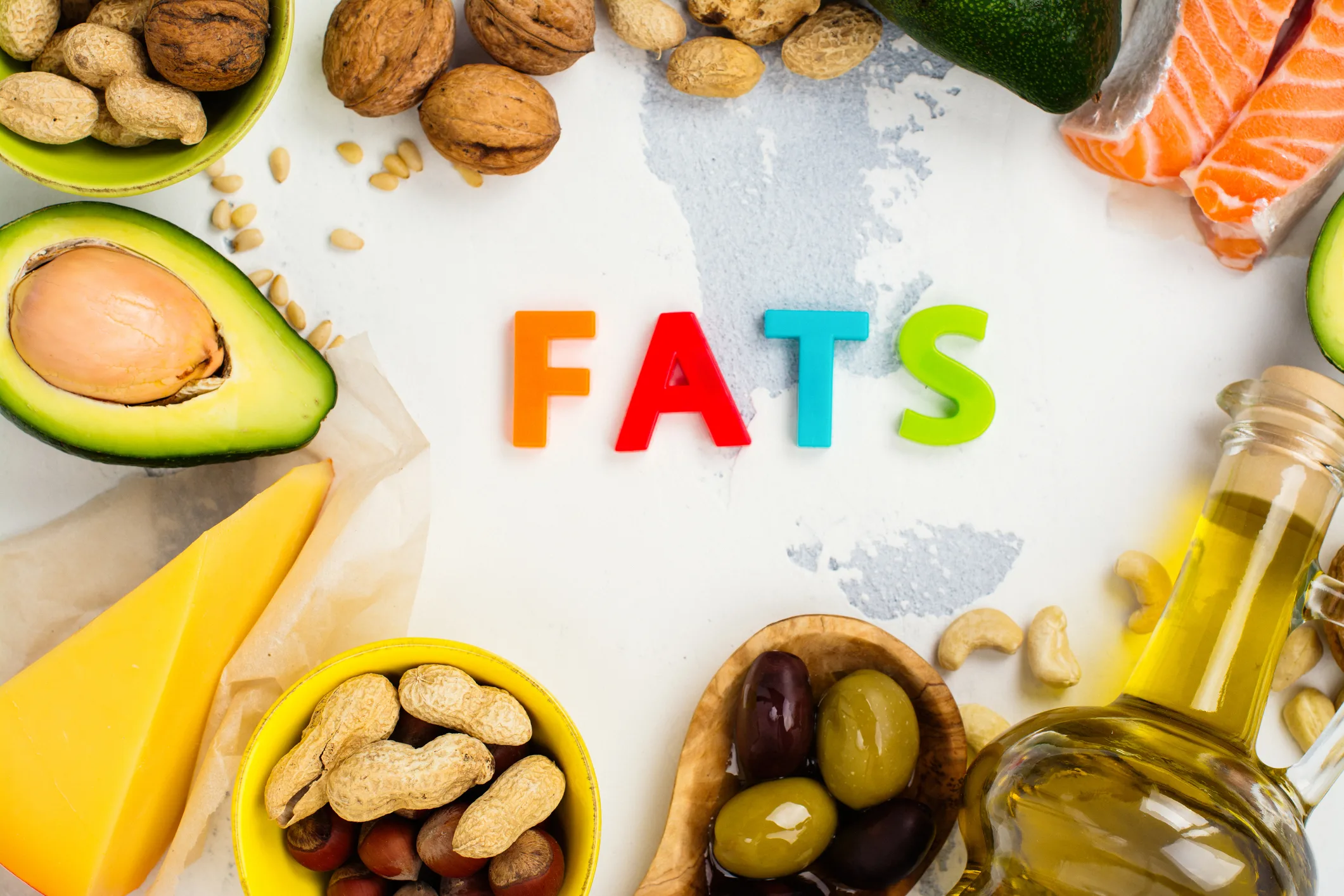
- Focus on overall fat quality. Prioritize swapping highly processed fats (like hydrogenated vegetable oils) for healthier ones found in foods like avocados, nuts, and olive oil.
- Don’t Forget the Protein: As we age, maintaining muscle mass is critical. Milk, regardless of fat content, is a great source of high-quality protein—a win for everyone!
Takeaway
The debate continues in the larger nutrition world, but this long-term study gives you permission to relax about the fat content in your glass of milk and focus on the bigger picture of active, healthy aging.
Source: