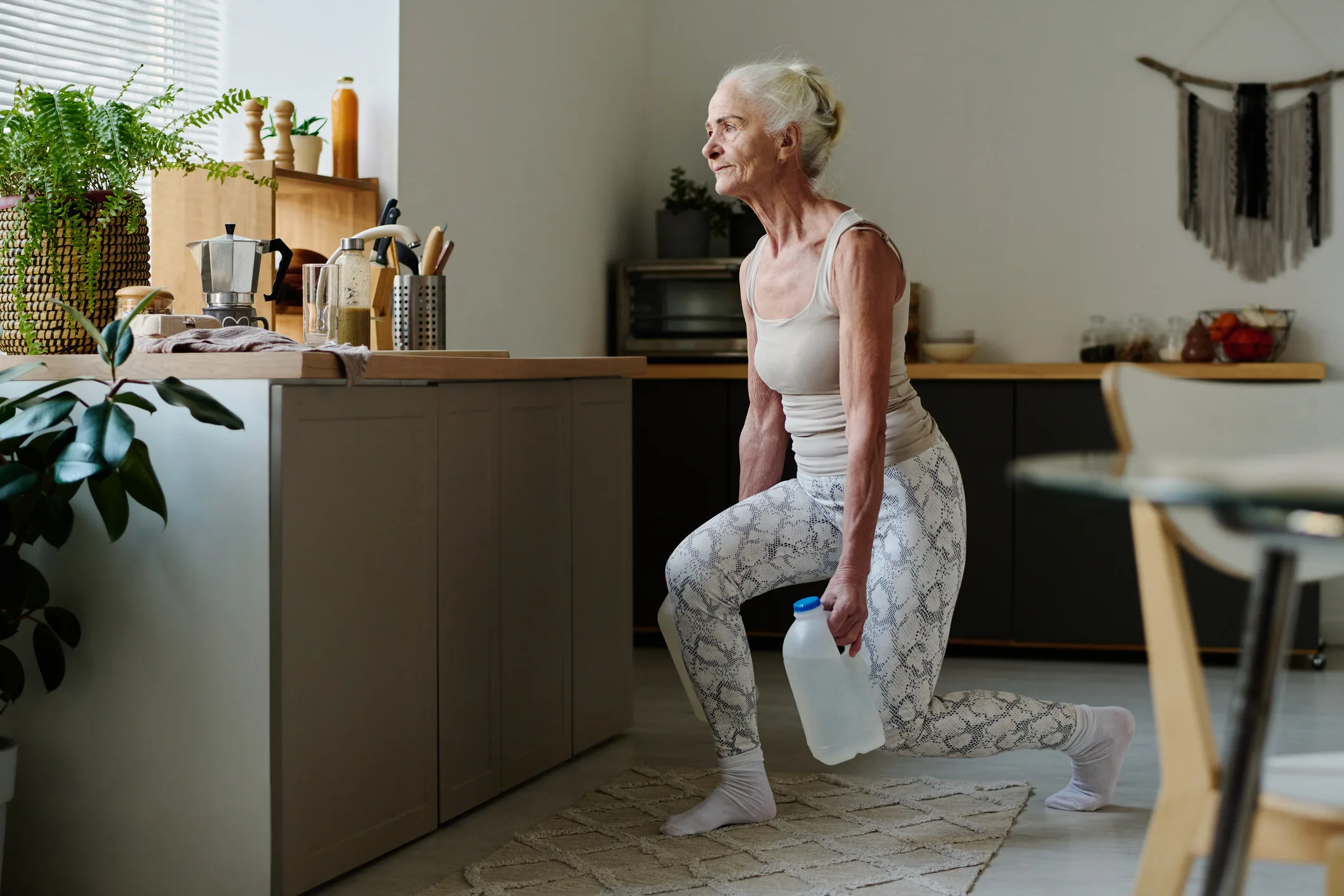
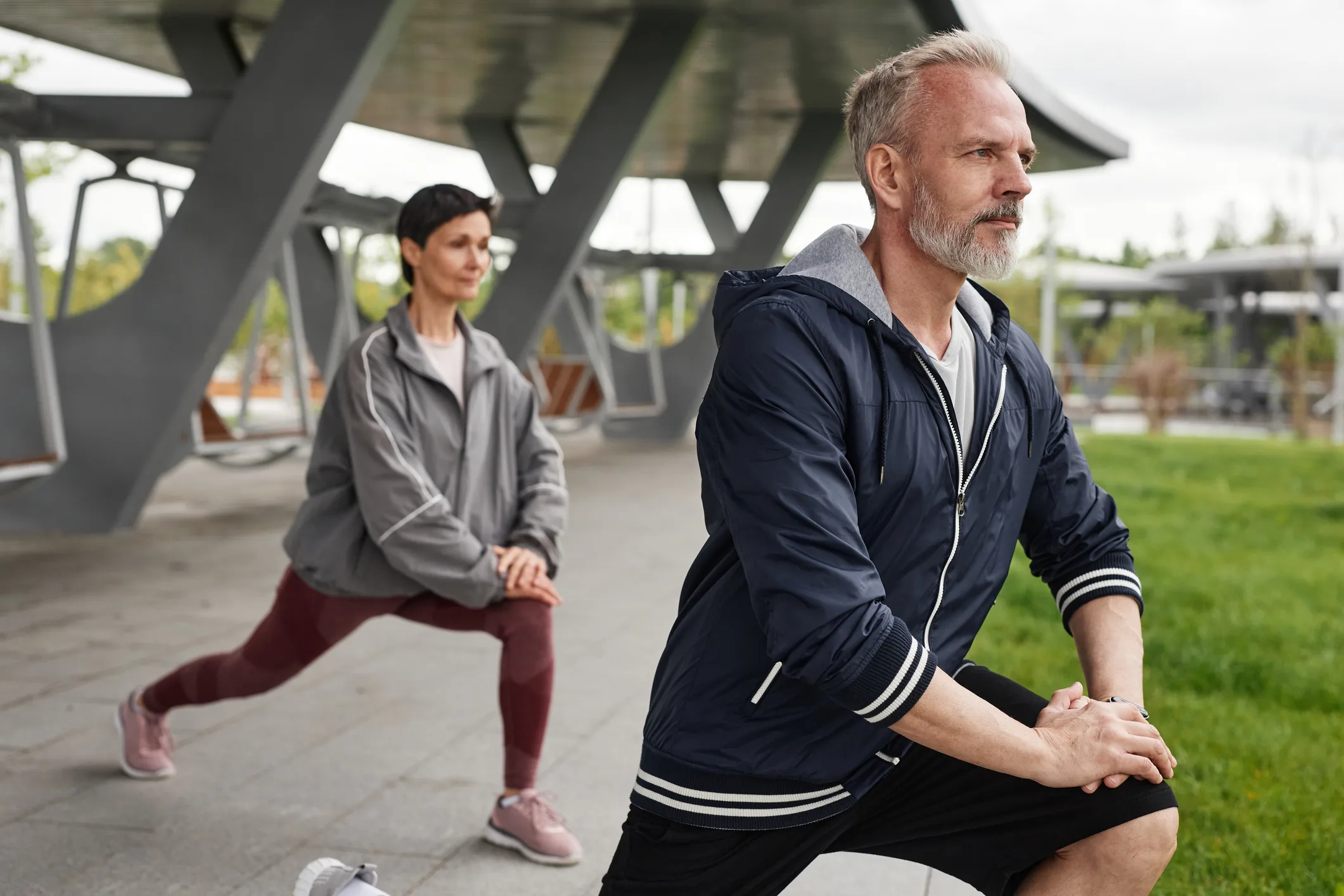
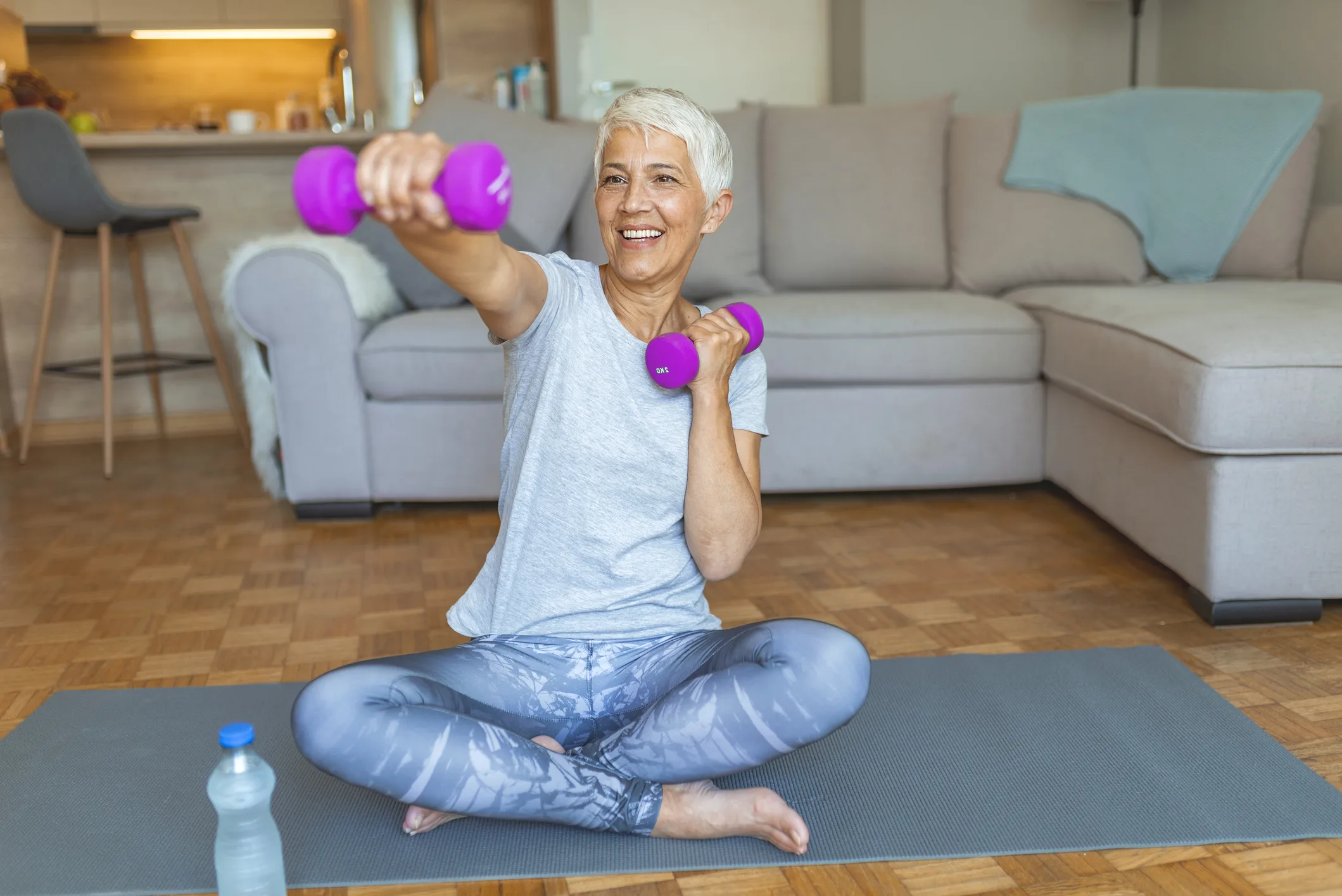
You’ve spent decades building inner strength—mental toughness, emotional resilience, and the ability to find a good parking spot. But what about the physical kind? As we reach the fabulous age of 50 and beyond, it’s time to stop subscribing to the idea that aging means inevitable decline. In fact, one crucial muscle group is your VIP ticket to better balance, less pain, and keeping up with the grandkids: your glutes!
According to certified personal trainer Stephen Sheehan, CPT, this often-overlooked area is so critical after 50.
The 50+ Muscle Maintenance Challenge
Once you hit the big 5-0, the rate of muscle loss (sarcopenia) speeds up. It’s an unwelcome party crasher, affecting everything from your metabolism to your overall strength.
Strength training—using dumbbells, bands, machines, or just your body weight—is the best way to tell sarcopenia, “Not today!”
- Slows Muscle Loss: Keeps you feeling strong and capable.
- Boosts Bone Density: Like putting a deposit into your “bone health bank” to combat osteoporosis.
- Eases Daily Life: Ever grunt getting off the sofa? Stronger muscles make everyday movements smoother.
- Supports Joints: Takes pressure off your knees and lower back.
The Most Important Muscle After 50? It’s Your Assets!
According to Sheehan, if there’s one muscle group you should be focused on, it’s the glutes. (Yes, we’re talking about your butt muscles!)
The glutes are actually three major muscles working together:
- Gluteus Maximus: The powerhouse that helps you stand up and climb stairs.
- Gluteus Medius: Crucial for stabilizing your hips and keeping you balanced.
- Gluteus Minimus: Supports hip rotation and overall stability.
Fall Prevention and Pain Relief
Strong glutes are your body’s best defense against a fall—a leading cause of injury for older adults. By improving balance and stability, you can significantly lower your risk of becoming one of the roughly 1 in 4 older adults who fall each year.
The glutes are also miracle workers for common aches and pains:
- Reduces Back Pain: The lower back is one of the most common spots for pain in your 50s. Strong glutes help take the load off your lower back and knees.
- Improves Posture: Helps you stand taller and move with less stiffness.
Getting Started: Your Glute-Strengthening Schedule
Sheehan recommends aiming for strength training two to three times per week for 30–45 minutes. Recovery is key, so let your glutes rest for at least a day between heavy sessions.
This aligns perfectly with the lesser-known part of the American Heart Association’s guidance: engaging in resistance training at least twice a week.
3 No-Equipment Glute Moves
You don’t need a fancy gym or expensive gear. These three moves use just your body weight to build a strong foundation.
| Move | Why It Works | Sets & Reps (Target) |
| 1. Glute Bridge | Gentle but highly effective for isolating the glutes. | 2–3 sets of 10–15 reps |
| 2. Bodyweight Squat | Builds strength and mobility; a functional move you use daily. | 2–3 sets of 8–12 reps |
| 3. Standing Hip Abduction | Targets the gluteus medius to improve balance and stability. | 2–3 sets of 10–15 reps (per side) |
Squat Modification Tip: If balance is a concern, hold onto the back of a sturdy chair or countertop for support!
Listen to Your Body (It’s Not Lying!)
While consistency is important, smart recovery is non-negotiable. If you experience any of the following, take a day off or cut your workout short:
- Sharp or radiating pain in your lower back, hips, or knees.
- Soreness that lasts longer than 48 hours or interferes with walking.
A well-deserved rest day means you’ll be stronger and less injury-prone when you return.
You’ve earned your wisdom and your resilience—now let’s make sure your body can keep up with your mind!
Source:
This Is Hands-Down the Most Important Muscle To Strengthen After 50, According to a Personal Trainer