By the time we hit our 50s, most of us have realized that our bodies have developed a bit of a rebellious streak. Metabolism that once burned through late-night pizza seems to have taken an early retirement. It’s during this decade that many of us—particularly women—are told you need to completely overhaul your fitness routines. You’re suddenly warned that the steady-state cardio you’ve enjoyed for years is making your bones “like chalk” and that if you don’t start tossing around heavy barbells, you’re doomed. It’s enough to make you want to retreat to the sofa with a glass of wine, but apparently, even the grapes are judging your muscle-to-fat ratio now.
The Research Gap and the Rise of “Female-Specific” Fitness
For decades, sports science has suffered from a significant gender gap. A 2023 editorial in the British Medical Journal highlighted that women are chronically under-represented in exercise research, with some estimates suggesting only 6% to 9% of reputable studies look exclusively at female athletes. This vacuum has been filled by experts like Dr. Stacy Sims, who famously coined the phrase, “Women are not small men.”
The core argument is that fluctuating hormones—particularly the drop in estrogen during perimenopause and menopause—change how women respond to exercise. For those over 50, the theory suggests that traditional “middle-of-the-road” cardio (like a 45-minute jog) can spike cortisol levels without providing enough stimulus to build muscle, potentially leading to a “skinny fat” physique where muscle quality declines despite a steady weight.
The Case for Heavy Resistance Training
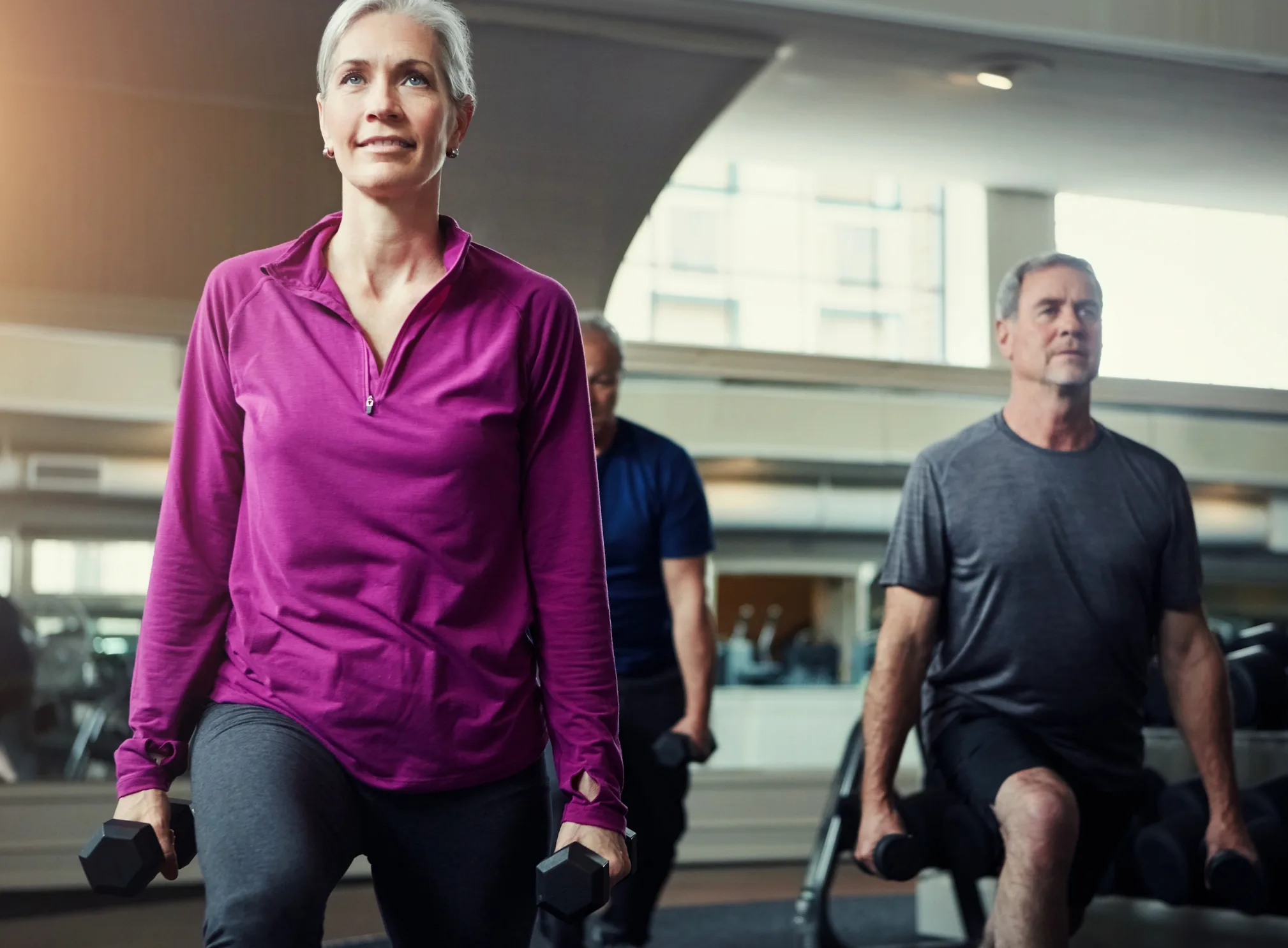
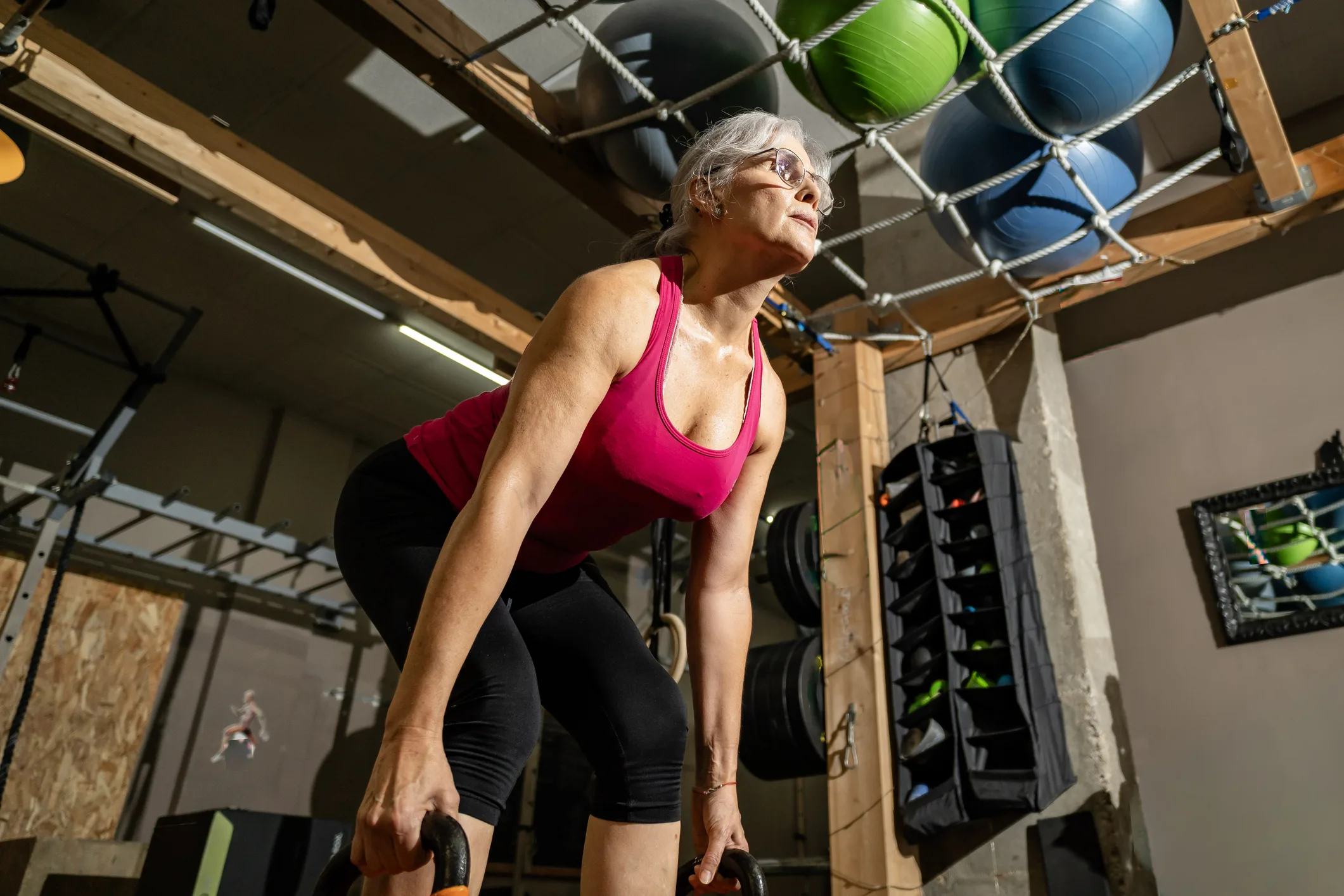
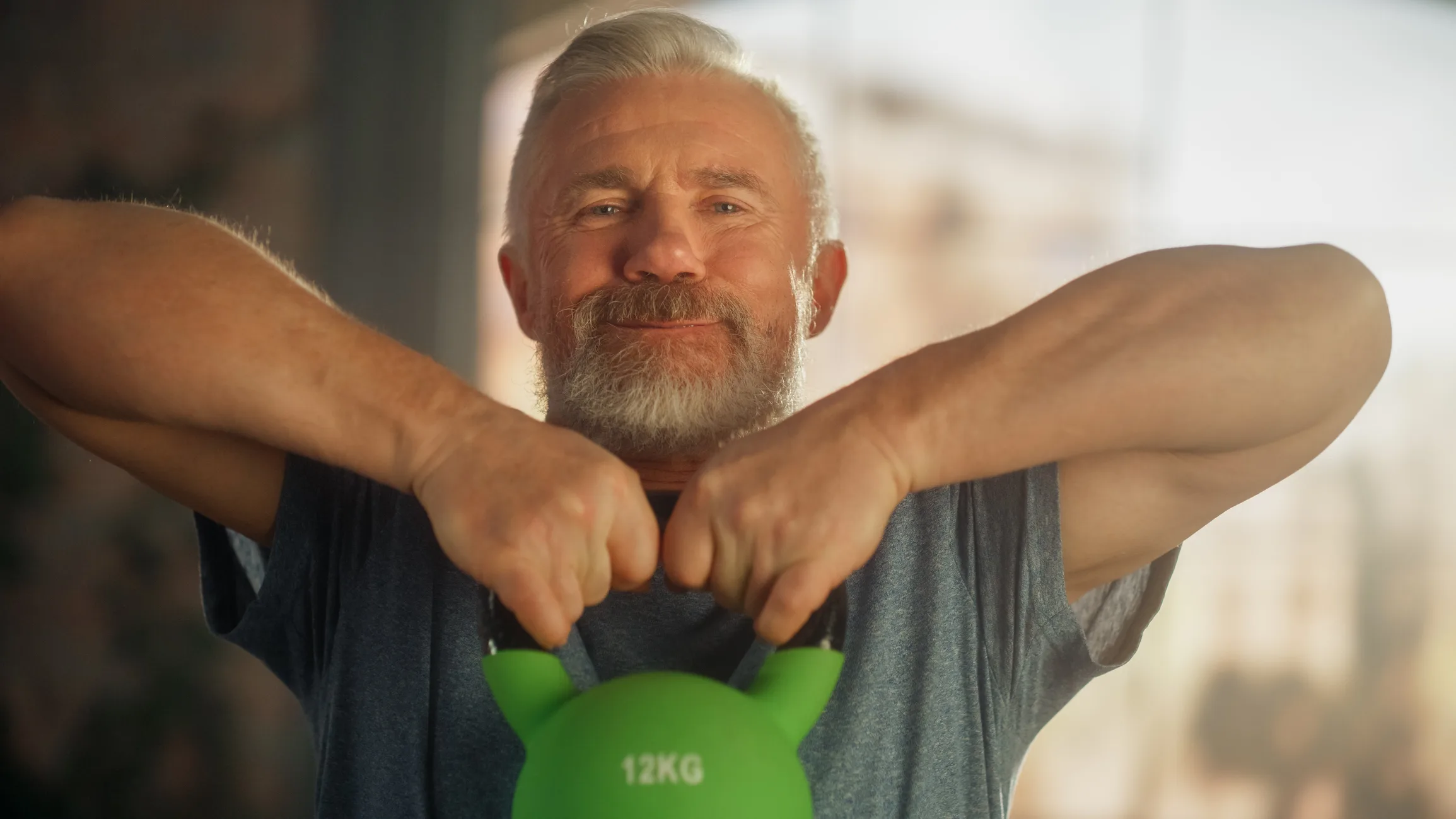
To combat the natural loss of muscle mass (sarcopenia) and bone density, many experts now recommend that women over 50 prioritize heavy lifting.
- Hormonal Response: Intense resistance training can help stimulate growth hormone and testosterone, which are crucial for maintaining lean tissue when estrogen levels are low.
- Bone Density: High-intensity loading—lifting weights that you can only manage for 1 to 6 repetitions—is one of the most effective ways to signal the body to strengthen bone mineral density.
- Metabolic Health: Muscle is metabolically active tissue. By increasing muscle mass, women can better manage insulin sensitivity and resting metabolic rate.
Don’t Hang Up Your Running Shoes Just Yet
While the “heavy lifting” movement is gaining steam, other health professionals caution against “fragilizing” women’s bodies or scaring them away from cardio. Research published in Circulation (2022) tracked 100,000 adults over 30 years and found that those who engaged in consistent moderate-to-vigorous physical activity had a significantly lower risk of cardiovascular death.
- The Power of Progressive Overload: You don’t necessarily need a 100-pound barbell to see results. The principle of progressive overload—gradually increasing weight, frequency, or intensity—is what drives progress.
- Cardio for Longevity: Aerobic exercise remains the gold standard for heart health, mental clarity, and endurance. The key for those over 50 may be “polarized” cardio: either very high-intensity sprints or gentle, restorative walking, rather than staying in the “grey zone” of moderate stress.
- Adaptability: Fitness after 50 should be about “autoregulation”—listening to your body. If you’re dealing with the sleep deprivation often associated with menopause, a grueling heavy-lifting session might increase injury risk. On those days, yoga or a brisk walk is a win.
Finding the Middle Ground
The debate between “traditional” exercise and “hormone-optimized” training isn’t entirely settled. However, the consensus among medical publications is that doing something is significantly better than doing nothing. Currently, only about 29% of women meet the recommended guidelines for strength training twice a week. Whether you are lifting heavy sets of five or doing high-rep bodyweight exercises to failure, the goal remains the same: functional independence and a heart that doesn’t protest when you climb a flight of stairs.
Takeaway
Ultimately, while the science of the “menopause transition” is fascinating, it shouldn’t become another source of stress. If you enjoy your morning run, keep running—just maybe add a few squats and a heavy carry afterward. After all, you’ve spent five decades navigating life’s hurdles; you shouldn’t let a barbell intimidate you now. And if the “skinny fat” comments get to you, just remember that at 50, being “any kind of fit” is a triumph. You may not be “small men,” but you are certainly experienced enough to know when a fitness trend is a helpful tool or just another person telling you what to do with your Saturday mornings.
Source:
Do women need to exercise differently from men – and ease up on cardio after 40?