By the time we hit the big 5-0, we’ve spent decades perfecting the art of “the groan” every time we stand up from a low sofa. While we might not be looking to join the circus or fold ourselves into a carry-on suitcase, most of us wouldn’t mind being able to put on our own socks without making it a competitive Olympic sport. Enter yoga—a practice that, despite the Instagram photos of twenty-somethings twisted like pretzels, is actually one of the most effective ways to ensure our “golden years” don’t feel like they’re made of rusted iron.
The Science of Yoga and Longevity
For those over 50, physical activity is less about “shredding” and more about “maintaining.” Yoga offers a unique, low-impact method for building long-term health through balance and recovery rather than exhaustion. Research indicates that the combination of intentional movement and mindful meditation strengthens the parasympathetic nervous system. This is the biological “rest and digest” mode that governs recovery and stress regulation.
By engaging this system, yoga helps manage the common markers of age-related decline:
- Reduced Inflammation: Mindful movement helps lower systemic inflammation, a primary driver of heart disease and joint pain.
- Cortisol Regulation: Deep breathing techniques decrease cortisol levels, the stress hormone that can interfere with sleep and immune function.
- Joint Lubrication: Unlike high-impact exercises that can strain aging tissues, yoga gradually warms the joints and improves the production of synovial fluid, which keeps movement smooth.
Essential Beginner Poses for Healthy Aging
The following poses are specifically selected for their ability to deliver real gains in flexibility and stability while remaining accessible to those just starting their practice.
- Mountain Pose (Tadasana): This is the foundation of all standing poses. It focuses on postural alignment—something many of us lose after decades at a desk. By standing tall and engaging the core, you train your body to distribute weight evenly, reducing strain on the lower back.
- Cat-Cow Pose (Marjaryasana-Bitilasana): Done on all fours, this synchronized movement stimulates spinal mobility. It releases tension in the neck and back by gently arching and rounding the spine, keeping the vertebrae supple.
- Tree Pose (Vrikshasana): Balance is perhaps the most critical skill for longevity. Falls are a leading cause of injury in older adults. Tree pose builds lower-body strength and trains the brain and muscles to maintain stability on one leg. (Feel free to keep a hand on a chair or wall for support).
- Warrior II (Virabhadrasana II): This pose builds significant strength in the quadriceps and opens the hips. Strong legs are essential for functional independence, such as climbing stairs or getting up from a chair.
- Bridge Pose (Setu Bandhasana): By lifting the hips while lying on your back, you strengthen the glutes and lower back while opening the chest. This supports healthy circulation and heart function.
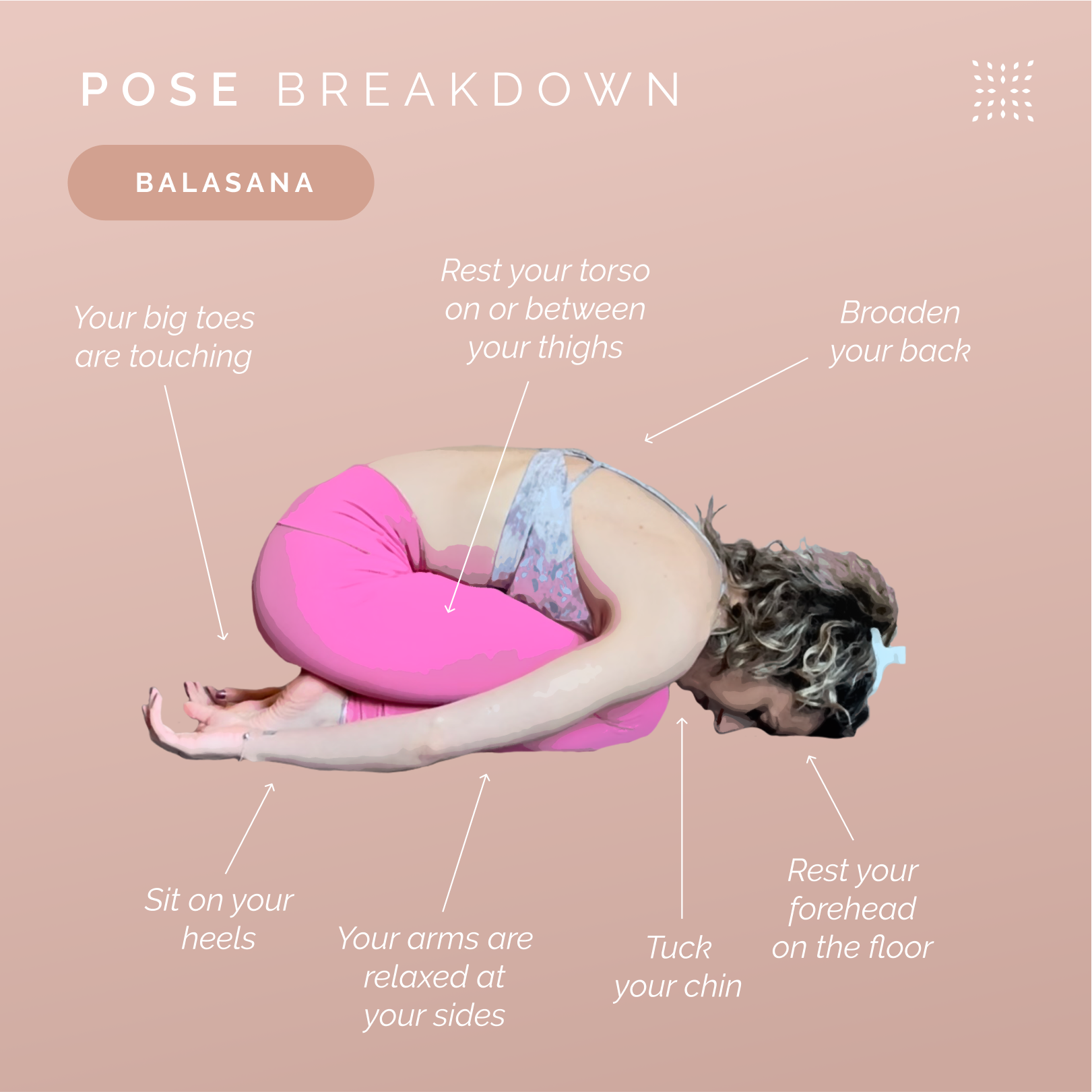
- Child’s Pose (Balasana): This is a restorative resting pose. It stretches the lower back and hips while calming the nervous system, making it an excellent “reset” button for days when stress levels are high.
Enhancing Mental Clarity and Rest
The benefits of yoga extend beyond the physical. Restorative poses like Legs-Up-the-Wall or Savasana (Corpse Pose) are transformative for sleep quality. These positions signal to the heart rate to slow down and allow the body to enter a state of full restoration. For those managing chronic pain or the general “stiffness” that comes with a life well-lived, these periods of stillness allow the body to rebuild rather than simply react to the day’s stressors.
Closing Thoughts: No Spandex Required
You don’t need to be able to touch your toes to start yoga; in fact, if you could already touch your toes, you probably wouldn’t need it as much. The goal isn’t to become the most flexible person in the room—it’s to ensure that ten years from now, you’re still moving with the same independence and ease you have today. So, grab a mat, try not to take yourself too seriously, and remember: if you fall over during Tree Pose, just pretend you’re a “weeping willow” and move on. Your joints (and your future self) will thank you.
Source: