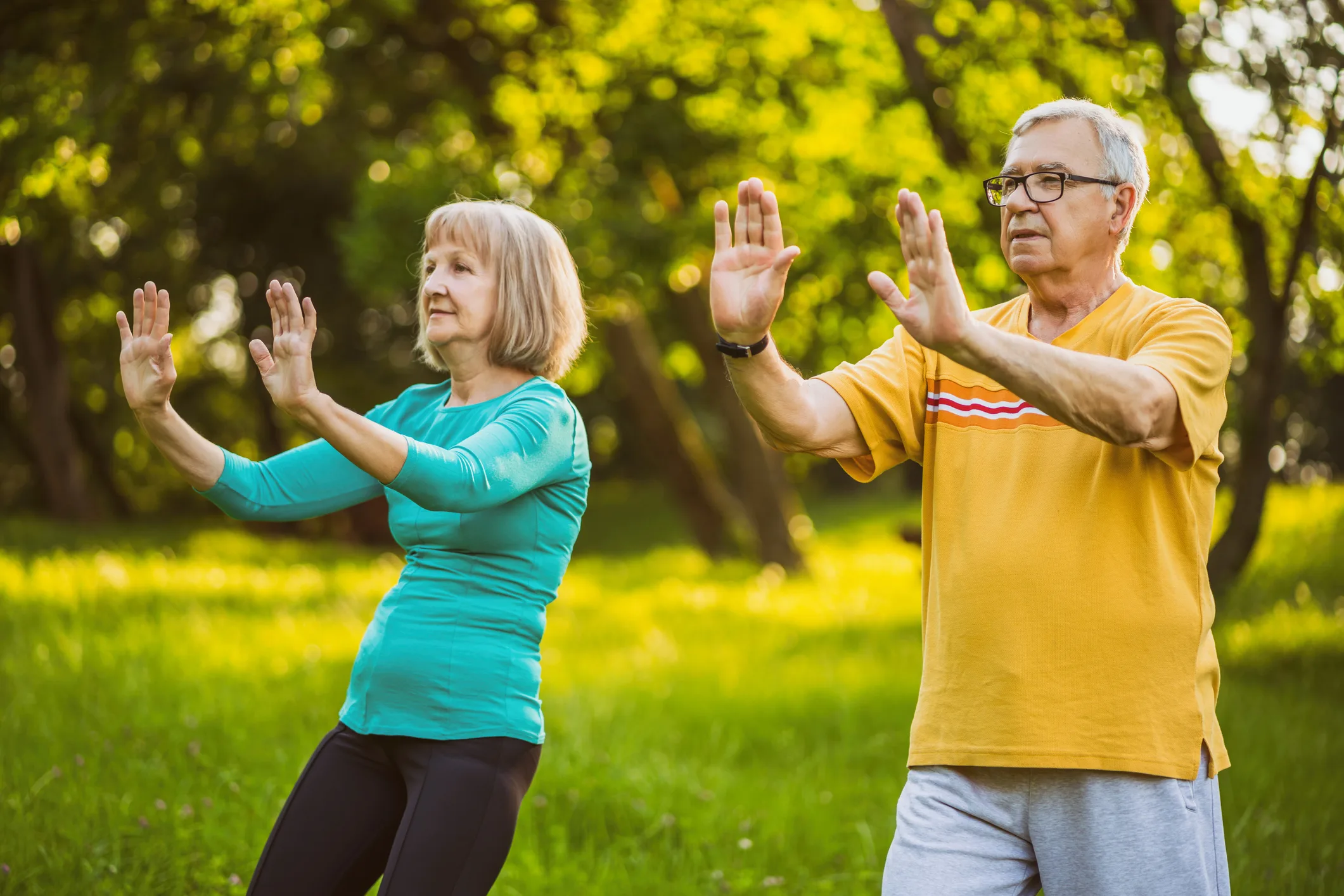
Let’s face it—reaching our sixties means we finally have the wisdom to appreciate a good nap, paired with the mild annoyance of realizing our hamstrings have turned into petrified tree trunks. We’ve all heard the golden-years sermon: do your stretches, keep your balance, and for goodness’ sake, don’t trip over the rug. Naturally, most of us assumed that yoga was the holy grail for all things flexible and steady. Well, pull up your compression socks, because science has just thrown a plot twist into our retirement workout routines.
Head-to-Head: What the Science Found
A recent cross-sectional study published in BMC Complementary Medicine and Therapies by researchers at the University of Colombo put two popular exercise modalities—yoga and aerobic training—to the test. Led by Lakmi C. Subasinghe and colleagues, the study evaluated 126 participants who had committed at least six hours a week to their respective routines for over two months.
To measure core physical fitness components crucial for independent living, the researchers used three standardized field tests:
- Lower Limb Strength: Assessed using the wall sit test, measuring isometric endurance in the quadriceps and glutes.
- Flexibility: Measured via the sit-and-reach test, probing hamstring and lower back extensibility.
- Balance: Evaluated through the single-leg stance test, testing postural control.
The Results: Strength, Flexibility, and a Surprising Balance Deficit
- Yoga Dominates Strength and Flexibility: Yoga practitioners significantly outperformed aerobic exercisers on the wall sit test. When it came to flexibility, the gap was vast: yoga participants averaged 17.6 inches on the sit-and-reach test, compared to 12.2 inches for the aerobic group—a difference of nearly 5.5 inches.
- Aerobic Exercise Wins on Balance: In a twist that baffled expectations—given yoga’s reputation for one-legged warrior poses—aerobic exercisers held their ground on the single-leg stance test for nearly twice as long as the yoga group (a mean score of 2.53 units versus 1.40 units).
“Yoga, in their analysis, appears more effective for improving lower limb strength and flexibility, while aerobic exercise may be the better choice for improving balance.” — Ophelia Keating, Science Journalist
Implications for Lifelong Functional Health
Understanding these distinct physiological adaptations is vital for adults aiming to preserve mobility and independence.
- Targeting Fall Prevention: Balance is the silent guardian against accidental falls, which remain a leading cause of injury in older adults. While aerobic movements (such as brisk walking, cycling, or dancing) continuously challenge the neuromuscular and vestibular systems through dynamic weight-shifting, they offer unexpected postural dividends.
- Preserving Locomotion: Lower limb strength underpins everyday tasks like climbing stairs and rising safely from an armchair. Maintaining quadricep and hip strength prevents the functional decline often associated with aging.
- The Synergy of a Combined Routine: Because neither discipline holds a monopoly on all aspects of physical fitness, medical literature increasingly supports a blended approach. Combining aerobic training with regular stretching or yoga covers all bases—securing lower-body resilience alongside steady-footed stability.
Takeaway
So, as it turns out, trading your sneakers entirely for a rubber mat might leave you wobbling, while pounding the pavement alone could leave your hamstrings feeling like rusty hinges. The secret to aging like fine wine isn’t picking a single camp—it’s embracing a well-rounded routine that gives your muscles length, your heart a pump, and your gravity check a fighting chance. Now, if you’ll excuse us, we have a brisk walk scheduled before our afternoon nap.
Source:
Yoga Builds Strength and Flexibility, but Aerobic Exercise Wins on Balance, Sri Lankan Study Finds