Anxiety is a normal human emotion that we have all experienced. In this article we’ll show 4 natural ways of lowering anxiety that does not require pills or supplements.
The 2 Pathways Used by The Nervous System
The human body has an innate ability to lower anxiety on its own. The nervous system consists of 2 pathways, the sympathetic and parasympathetic. An example of the sympathetic at work is the flight or fight response. When we are running away from a lion, running for our lives, the sympathetic nervous system is turned on to release cortisol to help us save our life. The opposite, when one is in a relaxed state, is the parasympathetic nervous system at work. Examples of this pathway are when we are eating, digesting our food, or going to the bathroom. During these times our smooth muscle relaxes to allow us to do these activities. It is the parasympathetic pathway that needs to be enabled when trying to reduce anxiety.
How to Switch to Parasympathetic Mode
Proper (Diaphragmatic) Breathing
One way to switch the body into the parasympathetic mode is PROPER deep breathing. By PROPER, we mean the way we used to breath as a baby. Not how most of us breath as adults. The best way to understand what deep breaths are, is to observe a baby sleeping. When a baby sleeps, you’ll notice its belly moving in and out. This is the perfect breath. Otherwise known as Diaphragmatic Breathing. Breathing during which we use our diaphragm, thereby filling our lungs to 100% capacity.
Pet your Pet
Another way to switch on our Parasympathetic pathway is petting your dog. Studies have shown that petting an animal (dog, cat, whatever your fancy), reduces blood pressure significantly.
Meditation
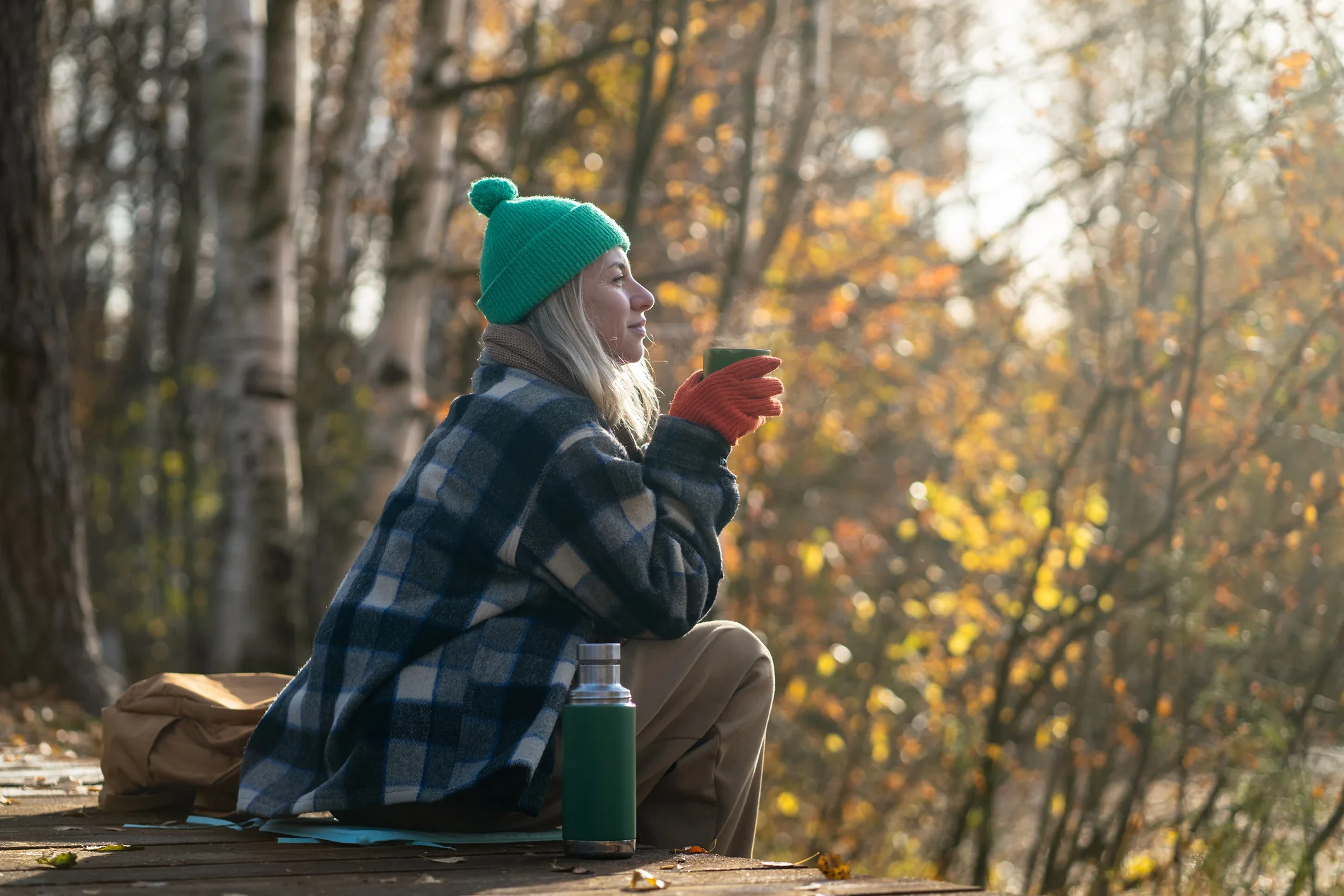
Meditating is an ideal way to enable your Parasympathetic pathway. However, this does take time and practice before you will see significant results.
Here’s a simple way to start your meditation. Sit or lie down wherever you are comfortable. You do not need a “meditation shrine” nor need to be in a “Lotus position”. Just get comfortable and close your eyes. Initially, you will probably have many thoughts running through your head. That’s OK. Just let the thoughts come and go. Keep doing this initially for about 10 minutes a day. Do it every day, and within a few months you will find less thoughts coming to your mind. The true definition and purpose of meditation is to be in a total relaxed state of mind. But remember meditation is yours. We all do it differently. Take your time with it, practice it, and most important, practice it when you are not feeling a lot of anxiety. In time, this will be your “go to technique” for relaxing.
Guided Imagery
Guided imagery is a type of focused relaxation. Here’s an example:
Pick your “serene place”. Whatever and wherever it may be. Let’s assume that place is the beach. Close your eyes, picture in your mind a beach, smell the smells, the salt air, the ocean, the sand, etc. Listen to the sounds, the waves crashing, the seagulls squawking, pick your temperature and feel the breeze. All of this is just a picture in your mind, and let yourself go, escape to your paradise.
Takeaways
The next time you feel that anxiety creeping up, think of ways to enable your Parasympathetic pathway:
- Perform proper Diaphragmatic breathing
- Go find Rover, sit down next to him, and pet him.
- Try Meditating
- Use Guided Imagery
Either technique will allow you to switch to Parasympathetic mode, which is our innate ability to control our anxiety