Exercise snacking is a fitness approach that involves breaking down your daily exercise into short, manageable bursts of activity, typically lasting from a few seconds to 10 minutes.
These “snacks” of exercise are spread throughout the day, making it easier to accumulate the recommended amount of physical activity, especially for those with busy schedules or those who find it challenging to commit to longer workout session
Generally, adults should aim for at least 30 minutes of movement each day. While this may seem impossible if you’re working to a deadline or have children to look after, exercise snacking means you can divide that 30-minute goal into bite-sized chunks. An exercise snack can vary in length, but ideally would range between 5-10 minutes.
“Researchers have found that exercise snacks can even be between 20-60 seconds,” said Gillian Koskie, MS, an exercise physiologist at Baylor Scott & White All Saints Medical Center — Fort Worth.
Benefits of exercise snacking
The benefits of these “exercise snacks” go beyond convenience. Even a small amount of exercise can improve your health. While research is still evolving on the concept of exercise snacking, recent studies say it could have the following benefits:
- Enhanced mood
- Greater exercise endurance
- Improved
- Increased aerobic fitness
- Increased energy levels
- Improved cardiovascular health
- Improved muscle mass and strength
“Research has shown that exercise snacking is an effective method in improving cardiorespiratory fitness and reducing sedentary behavior,” Gillian said. “Many people report that a lack of time and inaccessibility to a gym are barriers to getting an adequate amount of weekly exercise, or in some cases, getting exercise at all. So, by incorporating small bouts of exercise throughout the day in between activities of daily living, it prevents the need for setting aside a long period to work out.”
Examples of Exercise Snacks
Exercise snacks can include:
- Climbing stairs
- Doing 20 jumping jacks
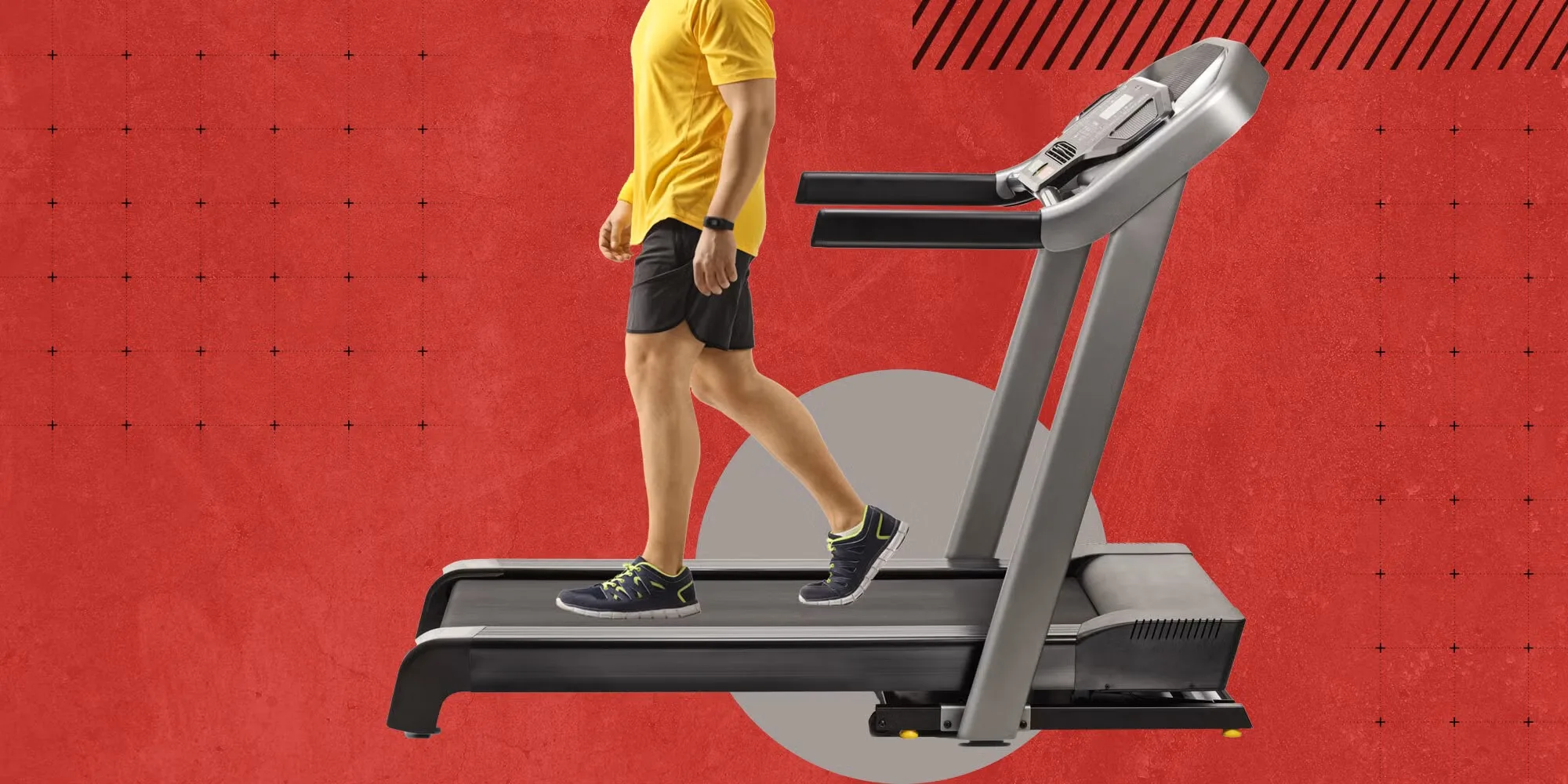
- Taking a quick walk
- Dancing in your kitchen
- Performing 10 squats between tasks
Takeaway
If you’re someone who regularly exercises multiple times a week, then you might notice exercise snacking won’t give you the same benefits you would see from your normal training schedule. However, if you live a busy lifestyle and find it hard to squeeze in some “me” time, then exercise snacking might be for you.
It’s important to remember exercise snacking isn’t a replacement for most, but if there’s a day or two where you can’t fit in your normal workout, then this might be a great option for you.
Source: