As we cross the threshold of 50, we often find ourselves in a peculiar tug-of-war with gravity. Suddenly, the floor seems further away, the “check engine” light of our metabolism is permanently blinking, and we start making noises—groans, sighs, clicks—just by standing up. We like to call it “character,” but medical professionals have a slightly more clinical term for the loss of our youthful bounce: frailty. While it sounds like something reserved for Victorian protagonists or very old porcelain, frailty is actually a preventable, and often reversible, biological state. The good news? You don’t need a time machine to fix it; you just need a better manual for the machinery you’ve already got.
Understanding the Spectrum of Frailty
According to recent research published in The New York Times and leading geriatric journals, frailty isn’t a sudden “off switch.” It is a cumulative decline across multiple physiological systems. Doctors often use “Fried’s Criteria” to assess where an individual sits on the spectrum. You are generally considered to be in the “pre-frail” or “frail” category if you exhibit three or more of the following:
- Unintentional Weight Loss: Losing 10 pounds or more in a year without trying.
- Self-Reported Exhaustion: Feeling that every task requires a Herculean effort.
- Weakness: Measured specifically through grip strength.
- Slow Walking Speed: Taking longer than usual to cross the street or navigate a hallway.
- Low Physical Activity: Engaging in very little movement during a typical week.
The Science of “Inflammaging”
New research from the University at Buffalo (2026) highlights a biological driver known as “inflammaging”—a state of chronic, low-grade inflammation that accelerates tissue breakdown. Scientists have identified specific RNA-binding proteins, like Tristetraprolin (TTP), that naturally decline as we age. When these “anti-inflammatory brakes” fail, it leads to muscle wasting (sarcopenia) and bone density loss.
Furthermore, the Journal of Frailty and Aging emphasizes that frailty is a better predictor of health outcomes than chronological age. A “robust” 80-year-old often recovers from surgery faster than a “frail” 65-year-old. This suggests that our biological age is largely determined by our physiological reserves—the “buffer” our body uses to bounce back from stressors like infection or injury.
Key Strategies for Reversing Decline
The consensus among geriatricians is that frailty is not an inevitable destination. Interventions in your 50s and 60s can significantly alter your trajectory.
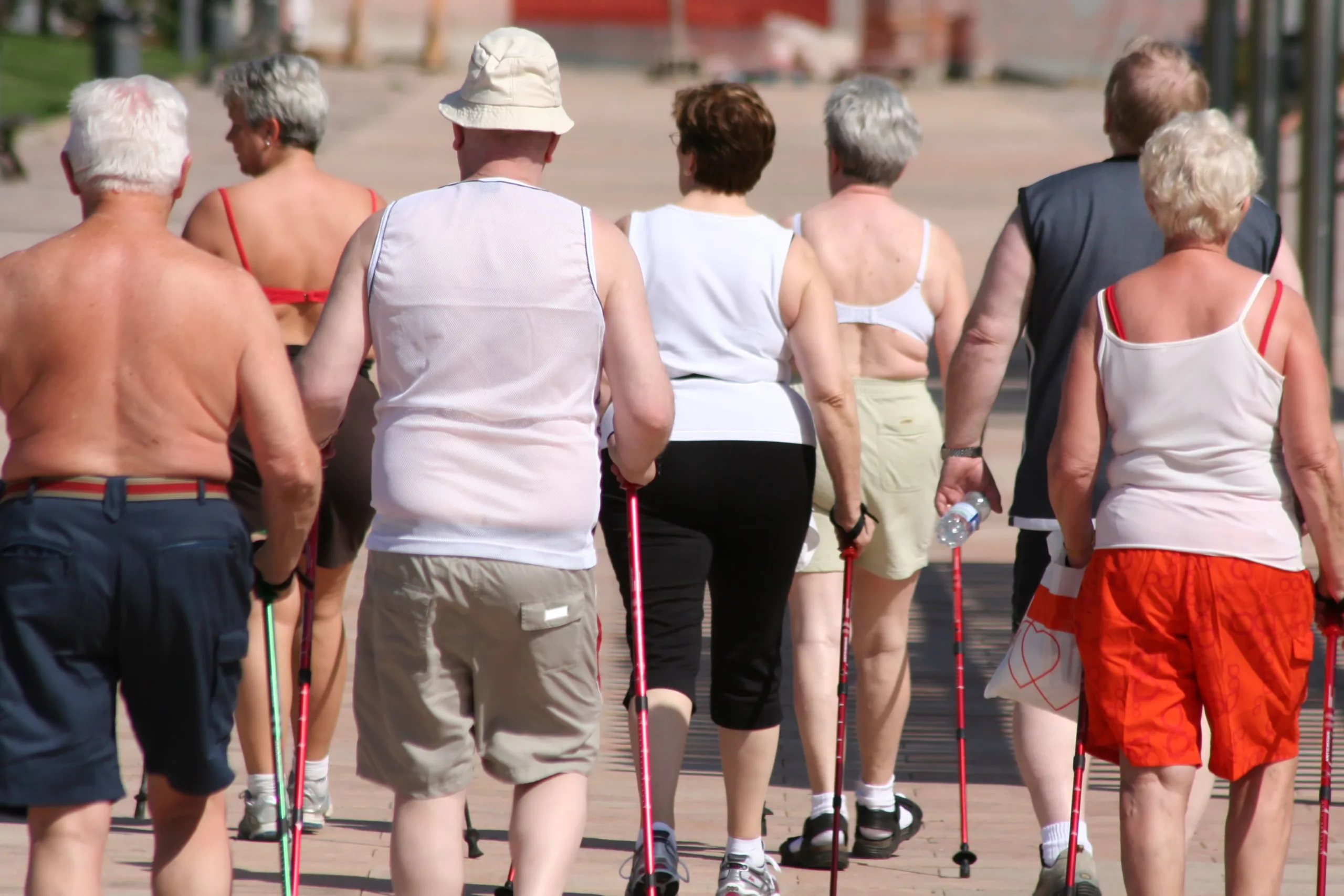
- Resistance Training over Cardio: While walking is excellent for heart health, it does little to stop muscle loss. High-intensity resistance training (lifting weights or using resistance bands) triggers the protein synthesis needed to maintain muscle mass and bone density.
- Protein Prioritization: Older adults require more protein per kilogram of body weight than younger adults to maintain muscle. Aim for 1.2 to 1.5 grams of protein per kilogram of body weight, distributed across all meals.
- The “Intrinsic Capacity” Framework: Focus on your “Intrinsic Capacity”—the composite of your physical and mental powers. This includes monitoring your cognitive health and sensory functions (hearing and vision), as untreated deficits in these areas can lead to social isolation and decreased physical movement.
- Polypharmacy Review: Regularly review your medications with a doctor. The interaction of multiple drugs can cause dizziness and fatigue, mimicking the symptoms of frailty and increasing fall risks.
The Role of Social and Mental Resilience
Recent studies, including the FRAGSALUD program results, indicate that social integration and mood management are just as critical as physical exercise. Depression and anxiety are “frailty accelerators,” often leading to decreased appetite and sedentary behavior. Maintaining a robust social circle provides the external stimulation necessary to keep the nervous system sharp and resilient.
Takeaway
In short, aging doesn’t have to be a slow slide into becoming a human raisin. By treating your body less like a vintage car you’re afraid to scratch and more like a high-performance engine that needs a regular Italian tune-up (hard driving and good fuel), you can maintain your independence well into your later decades. Think of it this way: every squat you do now is essentially a deposit into a “freedom fund” that allows you to keep getting off the couch without needing a search and rescue team. Stay active, eat your protein, and keep laughing—it’s much cheaper than the alternative, and you’ll look a lot better doing it.
Source: