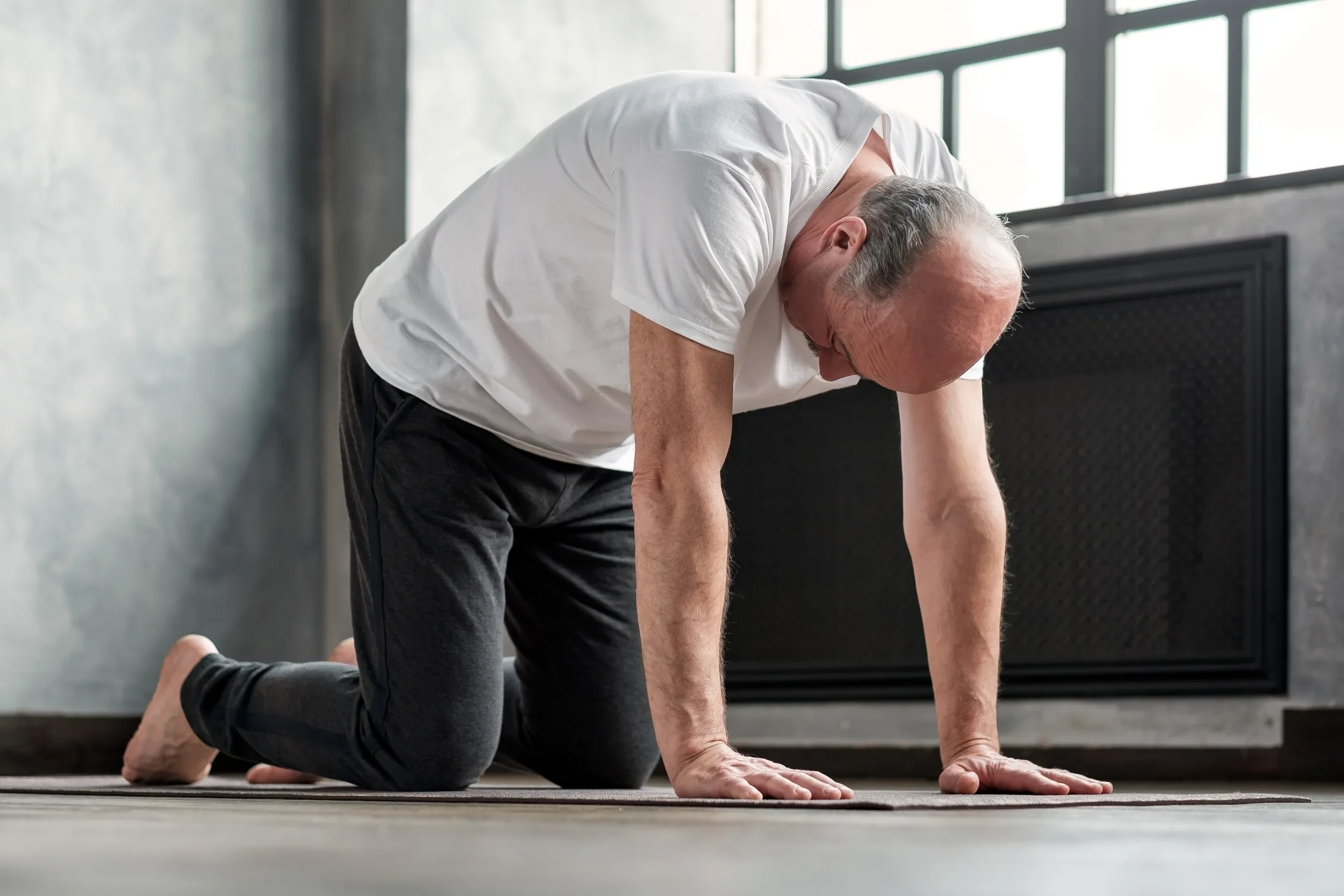
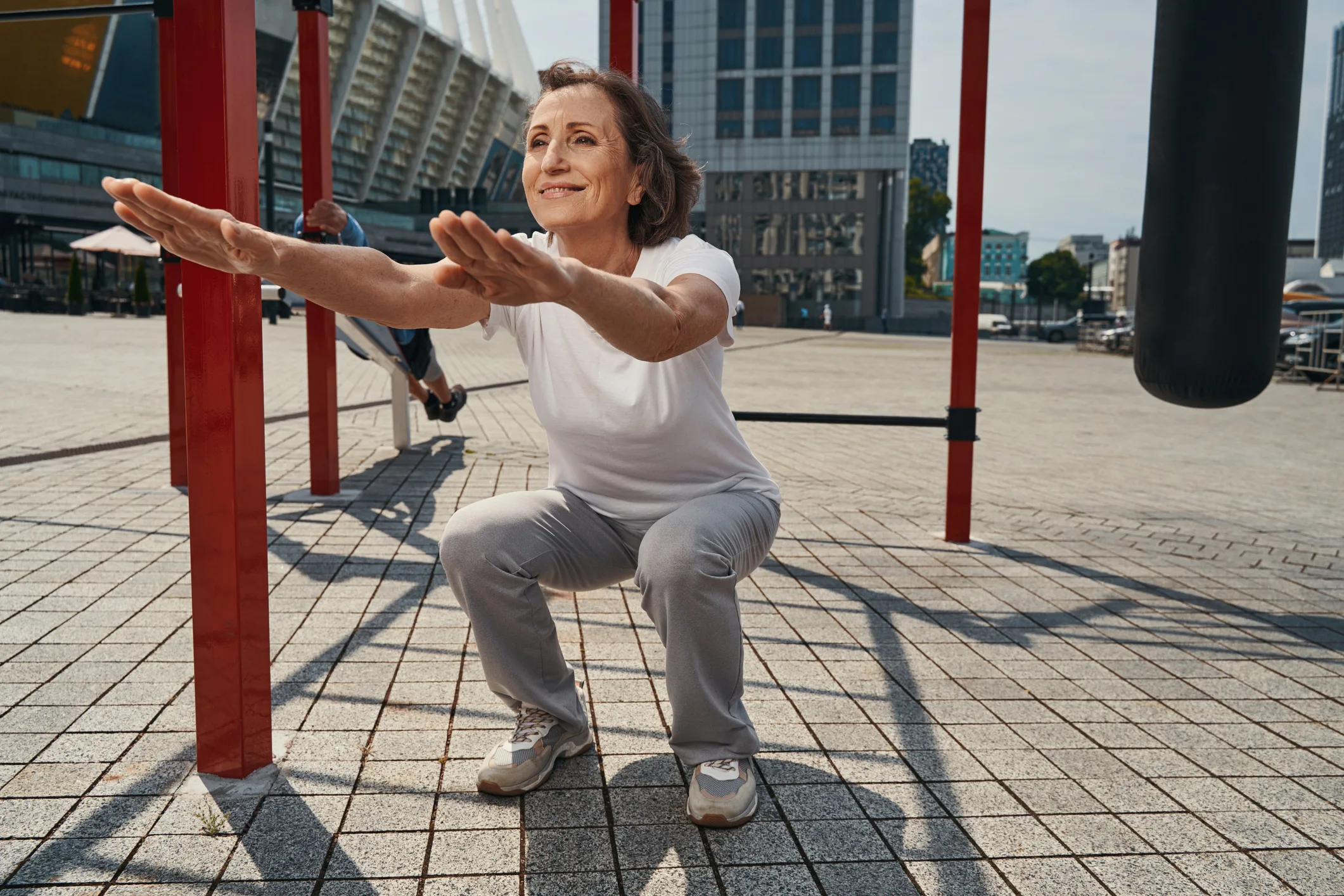
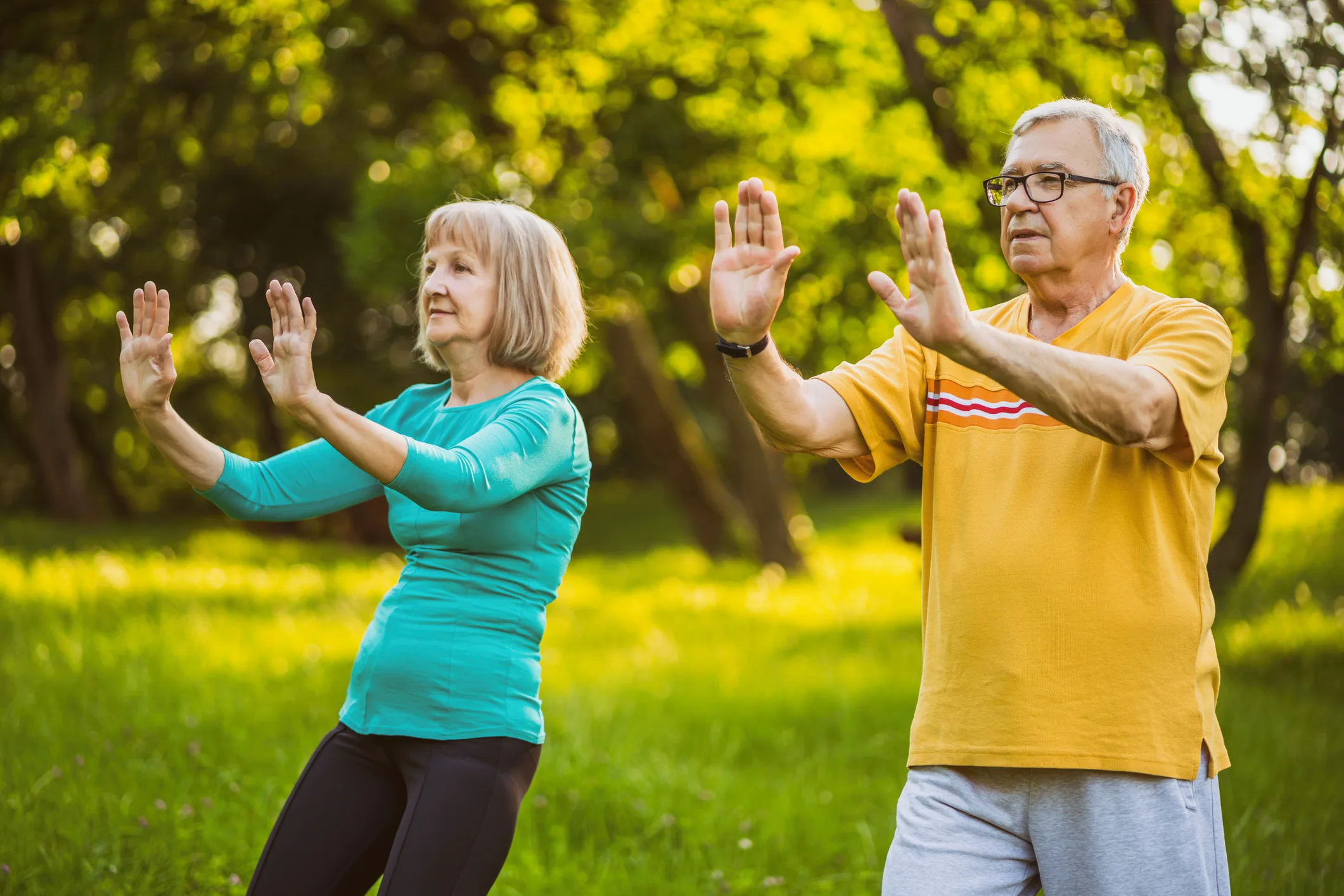
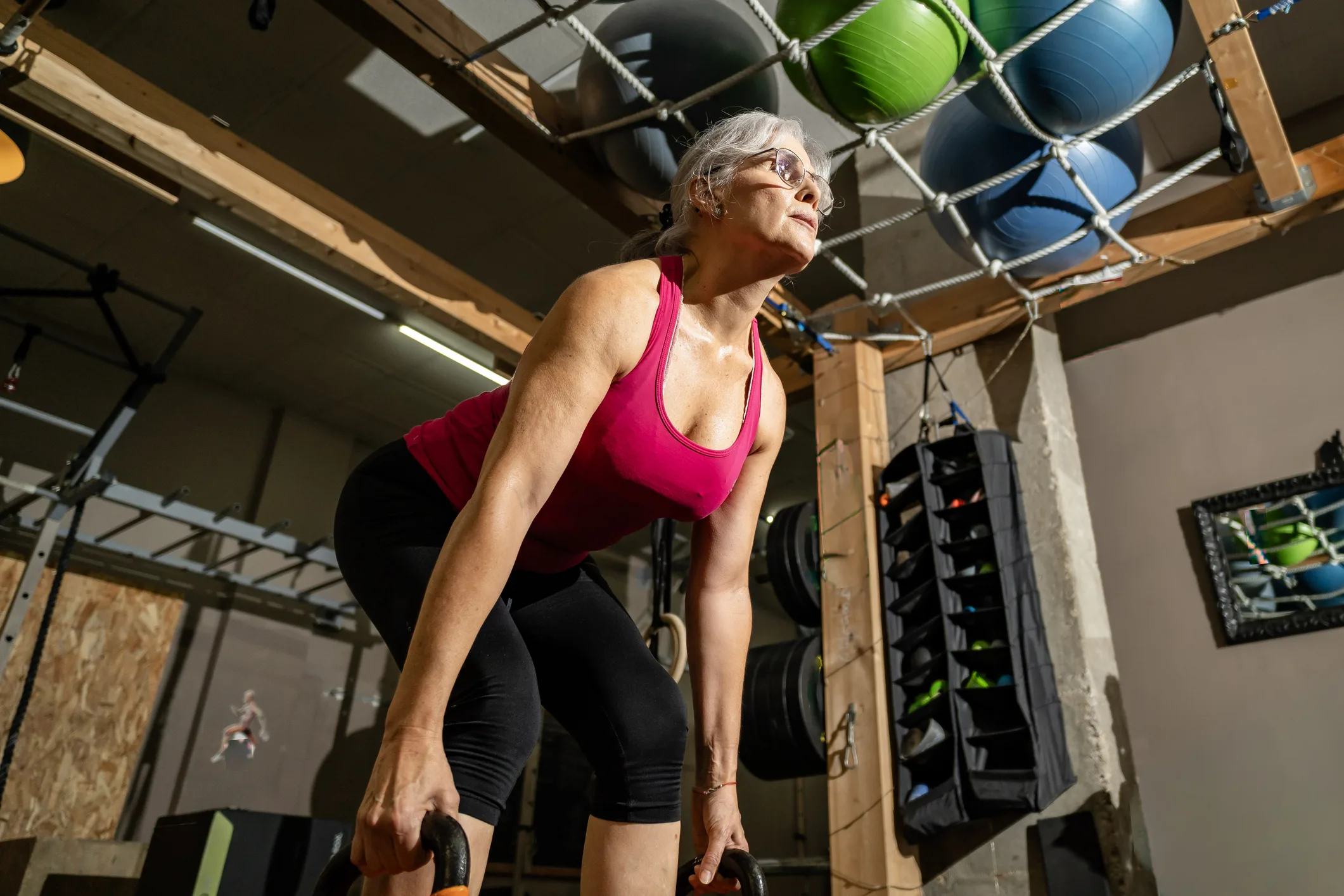
Let’s face it, convincing some seniors to swap their favorite armchair for a pair of sneakers can feel like herding cats… wearing tiny resistance bands. But fear not, fitness gurus! Jordan Deneau, a bright spark from the University of Windsor’s kinesiology crew, bravely ventured into the land of leisure (aka, interviewed 19 Canadian gentlemen, 75+, some active, some… enjoying the view from the sofa) to decode what truly motivates them – and their peers – to get those golden gears grinding.
The perks of senior fitness are no joke: fewer trips to the doctor (more time for bingo!), greater independence (finally reaching that top shelf!), sharper minds (remembering where you put your glasses!), fewer tumbles (staying upright is the new black!), less social hibernation (more gossip with the walking group!), fewer grumpy days (endorphins are nature’s happy pills!), and even a slower march of time. Deneau distilled their wisdom into seven key factors, the 7 ‘A’s of Active Aging, to get this demographic moving.
AFFORDABLE: Fitness That Won’t Break the Bank
Retirement often means a tighter budget, making pricey gym memberships a tough sell. While free options like walking and swimming exist, the perception of needing a gym persists. The savvy solution? Municipal recreation centers offer cheaper classes and memberships, and senior discounts are your friend.
AVAILABLE: Letting Seniors Know What’s Out There
Many communities have senior-friendly fitness programs, but awareness is key. Targeted campaigns are needed to reach older adults. In smaller towns without dedicated centers, exploring mall walking groups or contacting local authorities for activity lists is crucial.
ACCESSIBLE: Making It Easy to Participate
Easy access is vital for seniors with mobility issues or without cars, especially in winter. Proximity to transport, stair-free buildings, and clear pathways are essential. Diverse class schedules and options, from gentle chair yoga to lively pickleball, ensure everyone finds their fit.
ADAPTABLE: Tailoring Workouts to Individual Needs
The 55+ crowd is diverse, with varying health and mobility. Programs need to cater to specific needs (e.g., arthritis-friendly). Knowledgeable instructors who can adapt exercises are crucial. Personal trainers can also help individuals set achievable goals and progress safely.
ALTERNATIVE: Selling the Joy, Not Just the Prevention
Focusing solely on disease prevention isn’t always motivating. Highlighting the immediate benefits – better sleep, more energy, greater strength, and improved flexibility – resonates more with seniors seeking a better quality of life now.
ACCOMPANIED: The Power of a Fitness Buddy
Exercise is more enjoyable and adherence is higher with a workout partner. Fitness centers and rec centers should facilitate buddy systems to connect seniors with shared interests and fitness goals.
AWARENESS: Educating Seniors on How to Move More
Many seniors, particularly men, are unaware of recommended activity levels (150 minutes of moderate intensity weekly). Education on incorporating movement into daily life and the benefits of strength, balance, and bone health exercises is vital.
Takeaway
The bottom line? It’s never too late to embrace the glorious benefits – physical and mental – of moving more. This should be the mantra of seniors, fitness gurus, and community organizers alike. That UK study nailed it: staying active or becoming more active in your golden years lowers your risk of… well, the ultimate curtain call, regardless of your past habits or current health. Now, let’s get those seniors off the sidelines and into the game of life!
Source:
Seven A’s of Active Aging: Older Men’s Suggestions for Physical Activity Programs