Let’s be honest, folks, we’ve reached an age where “vigorous exercise” might sound like chasing after a runaway grandchild. But fear not! There’s a superpower we all possess, one that costs absolutely nothing and can be done practically anywhere: walking.
Think about it. No fancy equipment, no sweaty gyms with booming music, just you and the open road (or park bench, or even your living room during commercials!). And the benefits? Walking is like a Swiss Army knife for your health, tackling everything from those pesky chronic illnesses to giving your mood a sunny boost.
The Benefits
Walking is proven to decrease the risk and severity of chronic illnesses such as heart disease, diabetes, and dementia. It also significantly improves mental health, sleep quality, longevity, and overall healthy aging.
According to Dr. Amanda Paluch, an assistant professor of kinesiology at the University of Massachusetts, every step counts, regardless of your fitness level. “Any type of physical activity is better than none,” she emphasizes. Even a simple walk around the block or through a park offers valuable benefits.
Research indicates that increasing daily steps reduces the risk of mortality. For individuals aged 60 and older, this benefit tends to plateau between 6,000 and 8,000 steps per day, while for those younger than 60, the optimal range is between 8,000 and 10,000 steps per day.
For those who are able and motivated, here are effective ways to enhance the benefits of your walks and reap even greater rewards!
Elevate Your Stride with Nordic Walking
Nordic walking involves using specially designed poles to engage your upper body muscles. This technique, initially developed for cross-country skiers, has been shown to improve resting heart rate, blood pressure, exercise capacity, and oxygen consumption. Dr. Keith Diaz, an associate professor at Columbia University, highlights the compelling science behind it: “You’re engaging more muscles and using your upper body more, so you burn more calories than you do with regular walking.” Dr. Paluch adds that the increased intensity benefits cardiovascular health and fitness levels, making it a valuable activity, particularly for older adults.
Incorporate Strength with Lunges
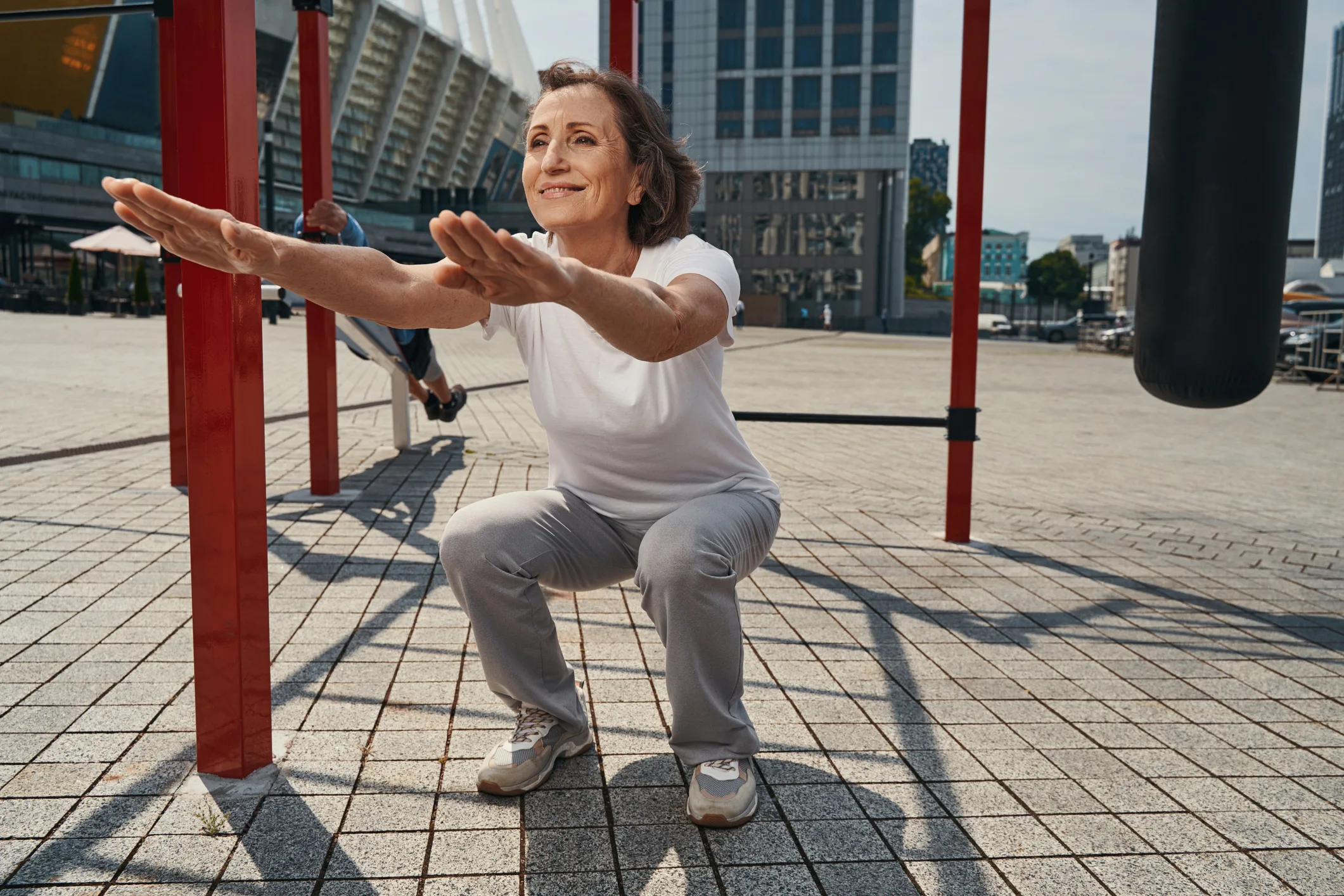
Adding lunges to your walk can provide significant health benefits. Dr. Diaz explains, “As we age, physical function can decline. Lunge-walking is a means to maintain, if not improve, muscular function.” Lunges can be integrated throughout your walk or done in intervals. Dr. Paluch also suggests incorporating other simple exercises like calf lifts or dedicating even 10 minutes before or after your walk to resistance training activities such as sit-ups or modified push-ups. While lifting light weights can be beneficial, carrying them while walking is not recommended due to the increased risk of injury.
Increase Your Pace for Greater Impact
While walking at any pace is beneficial, studies demonstrate that a faster, more intense pace leads to greater cardiorespiratory fitness and more significant reductions in the risk of chronic illness. Dr. Diaz states, “Your pace is a big determinant of how much health benefit you get from walking. Increasing pace is the easiest thing to do.” Dr. Paluch suggests incorporating intervals of faster walking, even for short durations like 20 seconds, to enhance the benefits.
Disconnect and De-stress During Your Walk
Dr. Diaz advises against using screens while walking, noting that it can diminish the potential for stress reduction. “Walking itself is a mood booster,” he says. Taking a break from digital devices allows for a more complete mental break. Whether walking alone or with a companion, Dr. Paluch emphasizes the mental health gains of disconnecting from screens and work-related activities, highlighting the importance of taking time for oneself.
Enhance Well-being by Walking with Others
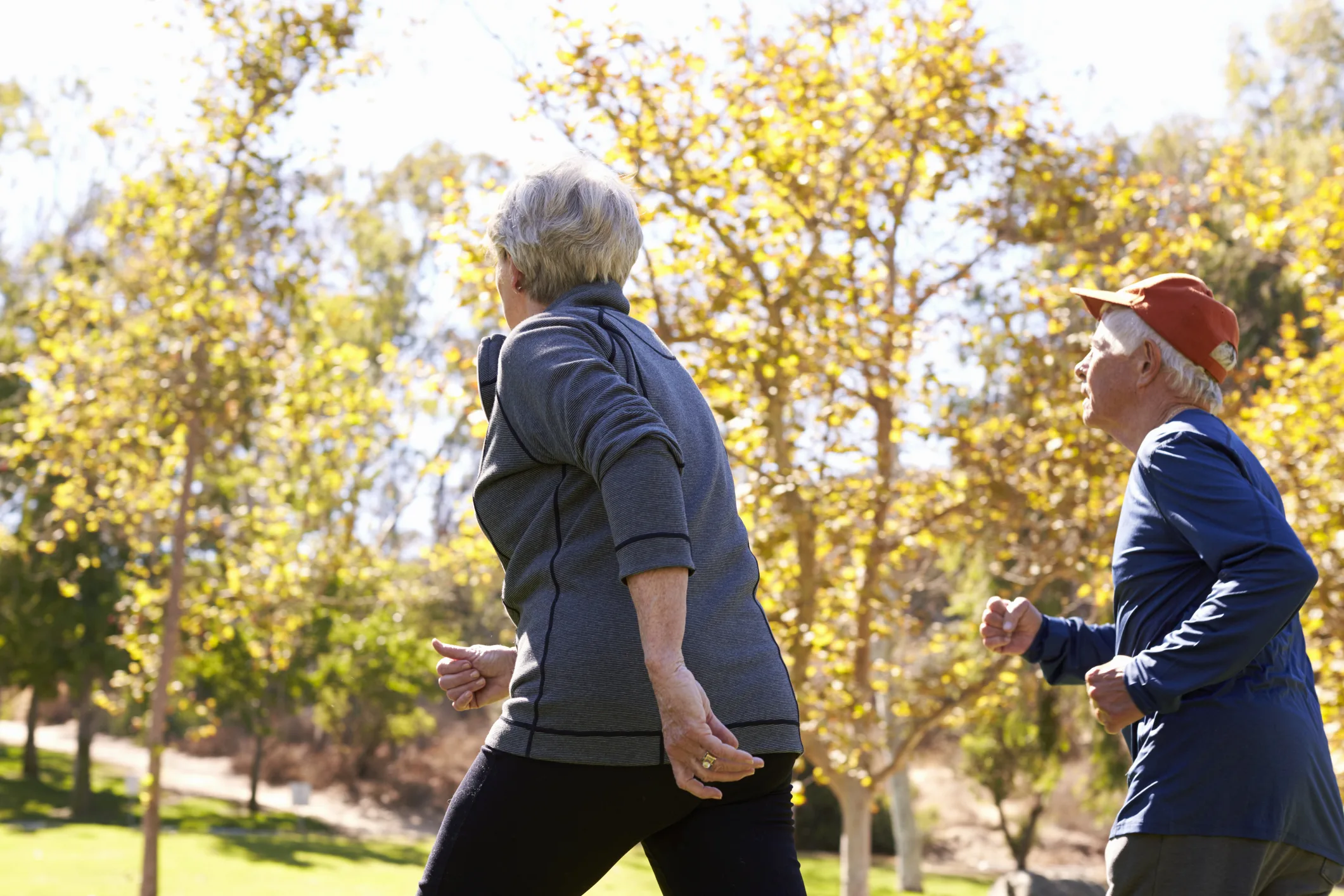
Research indicates that group outdoor walks can effectively mitigate social isolation and improve social well-being, which is strongly linked to better overall health and longevity. Studies also show that strong social connections help individuals initiate and maintain an active lifestyle. Dr. Diaz points out that “walking can be a social activity as well as a physical activity.” The social interaction and shared experience can contribute significantly to overall well-being.
Walking is a fundamental and highly effective way to promote healthy aging. By incorporating these simple strategies, you can maximize the benefits of your daily steps and contribute to a healthier, more active life.