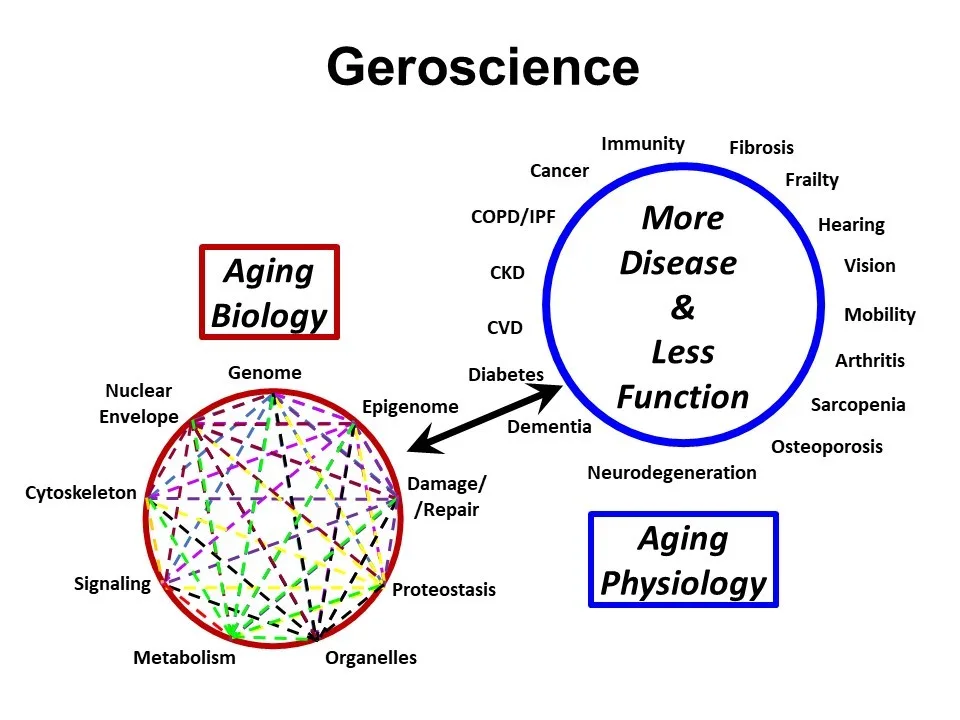
Whether for weight management or treating conditions like diabetes and heart disease, many adults over 65 are turning to GLP-1 agonists. It’s easy to see why. Some medical experts are calling these drugs a veritable “fountain of youth” because they tackle several age-related health issues at once.
This is excellent news because, frankly, our systems need all the help they can get. However, while we see tremendous benefits, we also need to address the “fine print.”
The Anti-Aging Powerhouse: Proven Benefits
For adults 50 and older, GLP-1 medications offer powerful systemic benefits that extend far beyond simply shedding pounds.
- Heart and Kidney Protection: Studies, like one in the American Journal of Preventative Cardiology, have shown significantly improved cardiovascular and renal outcomes in patients taking GLP-1s. This includes better blood flow and reduced risk of stroke.
- Reducing Heart Failure Risk: These drugs have been shown to reduce the risk of hospitalization for heart failure, a disease that causes a high percentage of heart disease deaths annually in the US.
- Neuroprotective Potential: Early data suggests these medications might help stave off neurodegenerative diseases like Alzheimer’s and dementia, which are serious concerns for nearly 10% of adults over 65.
The Catch: Vulnerabilities of the 50+ Body
It’s clear the benefits are significant, but rapid weight loss is not without risk, especially when our bodies are already dealing with the natural decline of aging. Physicians and patients need to be aware of side effects that older adults are particularly susceptible to.
-
The Muscle Mass Crisis
This is arguably the greatest concern. We already lose muscle mass naturally (3%–8% per decade after age 30), a process called sarcopenia.
-
- Accelerated Frailty: When you lose weight rapidly on a GLP-1, a significant portion of that loss is muscle. As one expert noted, this could quickly accelerate a patient into the frailty range, putting them in danger of falling and breaking a bone.
- The Difficulty of Regain: Unlike our younger selves, muscle fiber and protein synthesis decrease with age, making it much harder to regain lost muscle once it’s gone. It’s truly a “use it or lose it” scenario, only magnified.
-
Bone Density and Blood Pressure Drops
Weight loss, particularly rapid weight loss, also impacts bone health.
-
- Bone Loss Paradox: Believe it or not, having more weight actually strengthens your bones because they have to work harder to support your frame. When weight is lost, bone mass and density decrease, raising the risk of fractures and osteoporosis.
- Hypotension Risk: Weight loss naturally lowers blood pressure. If you are already on blood pressure medications, this can lead to dangerously low blood pressure (hypotension) and symptoms like fainting. Your physician will need to constantly titrate (adjust) or potentially stop those medications entirely.
-
Dehydration Dangers
GLP-1s suppress your appetite, which is the point. But when your appetite is suppressed, you also stop consuming the fluid that comes from foods like big salads or juicy fruit.
-
- Kidney Strain: Reduced fluid intake can lead to dehydration, which is especially problematic for older patients who may already have some degree of renal dysfunction or kidney disease.
Your Action Plan: Mitigating the Risks
The solution isn’t to avoid these powerful medications, but to be proactive and partner with your doctor. If you’re over 50 and considering a GLP-1, make sure your health strategy is rock-solid:
- Prioritize Protein: Fight muscle loss by aiming for a high-protein diet (doctors recommend between 90 g and 120 g daily depending on body weight).
- Lift Heavy Things (Carefully): Incorporate daily weight or resistance training into your routine. This tells your body to hold onto that precious muscle mass.
- Fortify Your Frame: Ensure you are getting adequate bone-building nutrients: 1200 mg of Calcium and 800 IU of Vitamin D daily (especially if over 70).
- Drink, Drink, Drink: Stay vigilant about fluid intake. Don’t rely on hunger cues; proactively track your water, tea, or sports drink consumption.
- Constant Vitals Check: Work with your doctor to regularly monitor your blood pressure and kidney function so they can adjust any corresponding medications (like blood pressure pills) immediately.
Takeaway
GLP-1s are a powerful tool, but like all tools, they require smart use and careful maintenance. Discussing these specific age-related risks with your physician is the most important step to unlocking the benefits safely.
Source: