Losing your hair is especially traumatic for women. A woman’s hair reflects her beauty, style and personality far more so then men. As such, losing your hair can be devasting and negatively impact your self-confidence.
While hair loss can effect women at any age, hair loss and hair thinning tends to be more prevalent as women get older. Research has found that more than 50% of women over age 50 experience female pattern hair loss (on the crown of the head), which is the most common form of hair loss in women.

“You probably have the thickest and most luxurious head of hair between the ages of 15 and 30,” says Dr. Mary Lupo, a dermatologist based in New Orleans. “After that, there’s a gradual decline, followed by precipitous changes after menopause. Estrogen is very good for the hair. After menopause, women lose estrogen and hair.”
While some hair loss is normal, especially as women age, sudden or excessive hair loss, bald patches and hair loss that accompanies a rash, flaking or itchiness is not.
To make matters worse, there are so many reasons for hair loss in women that determining the root cause (pun intended) and potential solutions is a potentially daunting task. Hence, it’s best to check with your dermatologist, especially if you experience a significant amount of hair loss.
Hair Loss Causes
The main causes of hair loss amongst women fall into the following categories:
- Genetics
- Illness, surgery or rapid weight loss
- Emotional stress
- Hormonal Changes
- Vitamin or mineral deficiency
- Harsh hair styling or treatments
- Alopecia areata, an autoimmune disease
- Scarring alopecia
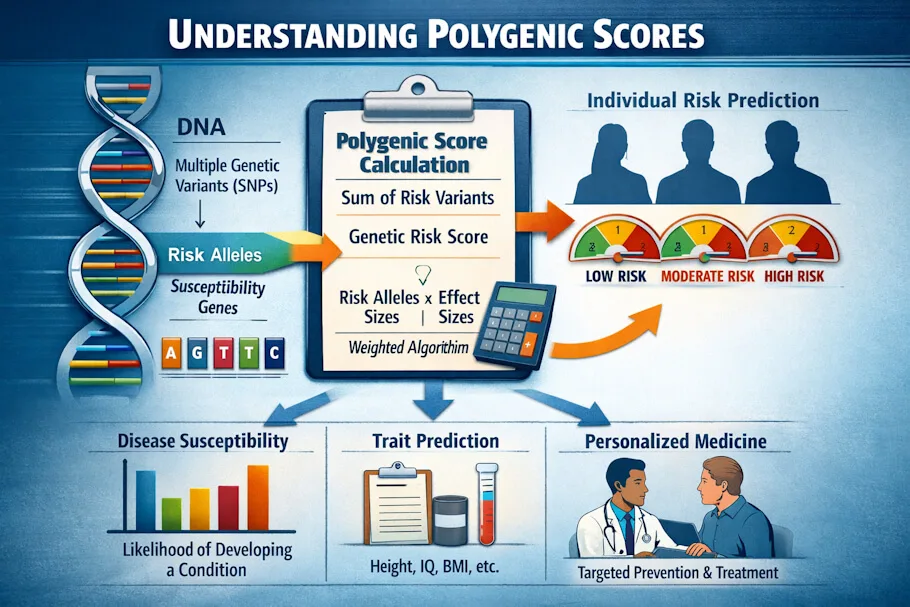
Did either of your parents experience hair loss as they got older? Then chances are, you will as well. Female pattern hair loss (FPHL) is commonly a result of inherited genes. “It’s the ‘lady’s version’ of the genetic condition that causes men to go bald” says Maria Colavincenzo, M.D., a dermatologist who runs a clinic focused on hair and scalp disorders at Northwestern Medicine. However, unlike men who have bald spots, women experience a situation that’s more spread out and the whole top of the head is a little thinner
Rapid weight loss, surgery (e.g. hysterectomy) and illnesses or anything that is physically stressful to the body can cause hair loss as your body devotes resources to combating the illness rather than growing hair follicles. The stress that comes with losing a loved one or going through a divorce can also lead to hair loss.
Hormonal imbalances either due to imbalance of the thyroid (Hypothyroidism and Hyperthyroidism), or high testosterone (caused when there’s insulin resistance) which causes blood sugar levels to stay high which in turn causes Dihydrotestosterone (DHT) to be produced can result in frontal hair loss in women.
Vitamin and mineral deficiency, especially with vitamin D, iron and protein can contribute to hair loss as it weakens the hair structure. Tying your hair in a tight pony tail, bun or braids and especially dying or straightening your hair with harsh chemicals is another major cause.
And then there’s Alopecia. There are 2 types of Alopecia, Alopecia areata, which causes your immune system to attack your hair follicles and Scarring Alopecia which is an autoimmune condition that destroys your hair follicles and replaces them with scar tissue.
Next week we’ll look into possible solutions for hair loss amongst older women.
Source:
Causes of Hair Loss in Women and Potential Treatments
8 Reasons Women Lose Their Hair