Let’s face it: getting older is a privilege, but it certainly comes with some interesting sound effects. There comes a time when counting the pops and cracks your knees make when standing up ceases to be an eccentric quirk and starts feeling like a weather forecast. While society loves to tell us that reaching our 60s is all about slowing down, biology suggests a different narrative. You cannot change your chronological age—the number of candles burning down your birthday cake—but you have massive control over your biological age, which reflects how well your cells, tissues, and organs actually function.
A landmark study published in The Journals of Gerontology demonstrated that adults who maintain targeted physical functionality age at a significantly slower rate and preserve their independent lifestyle far longer than sedentary peers. Rather than guessing how well you are holding up, you can rely on four objective, scientifically validated functional tests. Let us examine the data, the diagnostics, and the exact protocols required to keep your body running efficiently for the long haul.
1. Functional Strength: The Grip Strength Benchmark
Muscular power and endurance naturally peak in early adulthood and face a progressive decline each subsequent decade. Sarcopenia (the age-related loss of skeletal muscle mass and quality) accelerates significantly after age 60 if left unchecked. While tracking complex gym lifts is useful, medical literature consistently identifies handgrip strength as one of the most reliable proxies for total-body muscular power and a key predictor of all-cause mortality in older adults.
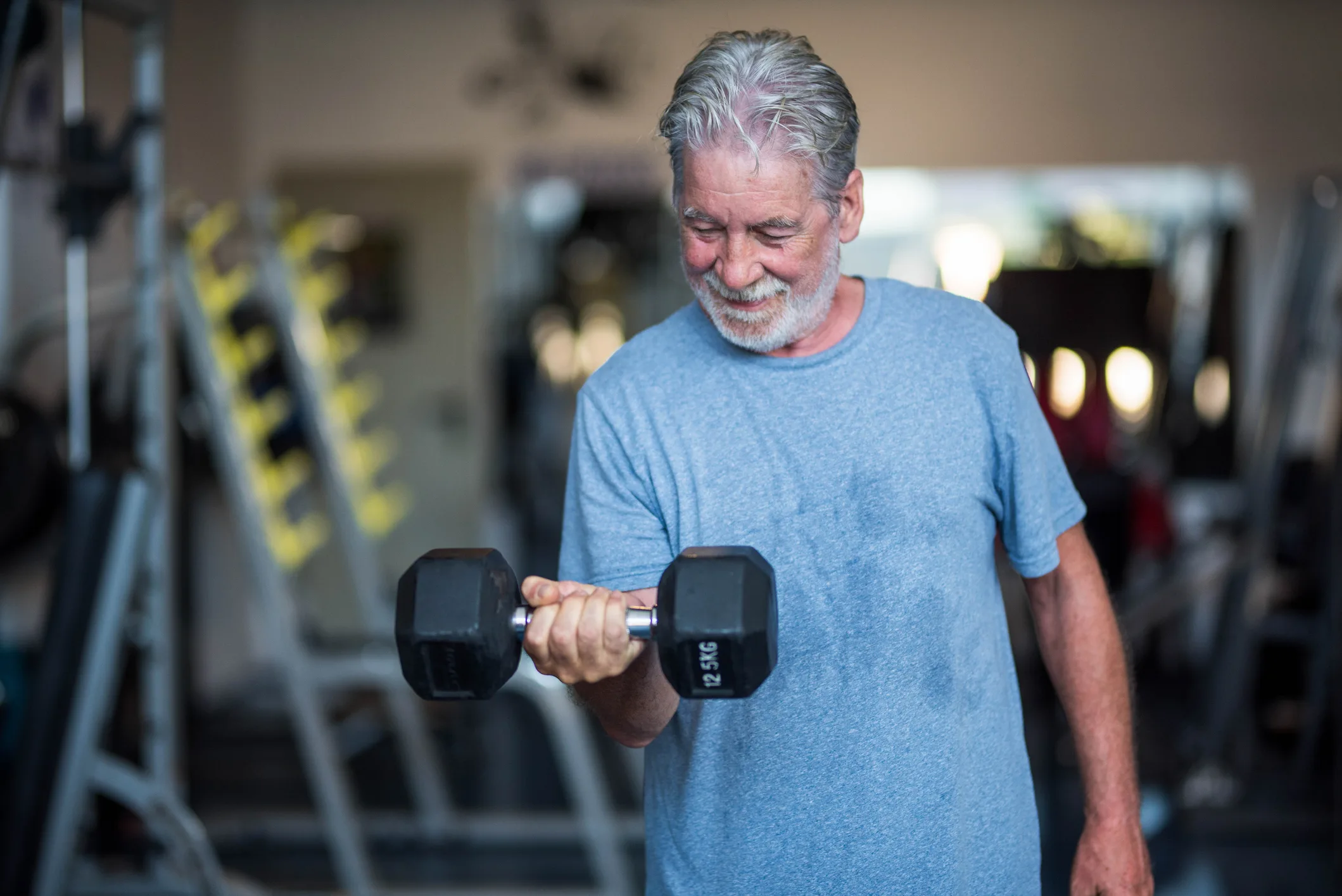
- The Diagnostic Test: You can evaluate this using a digital hand dynamometer. Hold the device with your arm at a right angle, squeeze with maximal effort for three seconds, and note the reading in kilograms or pounds. Alternatively, perform a timed static hang from a pull-up bar or hold a moderate pair of dumbbells at your sides, tracking how many seconds you can maintain a secure hold before your fingers yield.
- The Prescription: To combat upper- and lower-body strength loss, incorporate loaded carries into your weekly routine. The Farmer’s Carry (walking a set distance while holding equal weights in both hands) reinforces grip architecture, shoulder stability, and postural alignment. To challenge your core and deep stabilizing musculature simultaneously, alternate this with the Suitcase Carry (holding a weight in only one hand while keeping your torso perfectly vertical).
2. Mobility and Flexibility: The Deep Squat Assessment
Flexibility describes the passive elongation limits of your muscles and connective tissues. Mobility, however, is your active ability to control a joint through its entire intended range of motion. Data from the National Institute on Aging reveals that a decline in lower-body mobility directly correlates with increased rates of chronic disease, localized pain, and hospitalization.
- The Diagnostic Test: Stand with your feet shoulder-width apart and attempt a full, bodyweight deep squat. A successful assessment requires lowering your hips below parallel while keeping your heels firmly planted on the floor, your chest upright, and your knees tracking inline with your toes. If your heels lift, your torso collapses forward, or you experience acute joint restriction, it indicates compromised ankle, hip, or thoracic mobility.
- The Prescription: Dedicate a specific block of five minutes per day to accumulating time spent in a deep squat position. If a full squat is initially inaccessible, hold onto a sturdy doorframe or vertical support beam for counterbalance. Over several weeks, this active stretch opens up restricted hip capsules, lengthens tight calf complexes, and restores the natural motor control patterns necessary to sit, stand, and move without pain.
3. Balance and Coordination: The Single-Leg Stance
Maintaining balance requires the seamless integration of three distinct bodily mechanisms: your vision, your vestibular system (the fluid-filled balance centers of your inner ear), and proprioception (your brain’s subconscious awareness of where your limbs are in space). As these sensory pathways experience age-related degradation, spatial awareness decreases, severely elevating the risk of falls. A study published in the British Journal of Sports Medicine observed that older individuals unable to successfully complete a 10-second single-leg balance test faced a significantly higher statistical risk of early mortality over a seven-year follow-up period.
- The Diagnostic Test: Stand barefoot on a flat, non-slip surface with your hands placed securely on your hips. Lift one foot completely off the ground, keeping your supporting leg straight, and start a timer. Keep your eyes open and remain perfectly stable without shifting your standing foot or letting your raised leg touch the floor. Ten seconds is the absolute clinical baseline; aiming for 30 seconds or greater indicates optimal neuromuscular coordination.
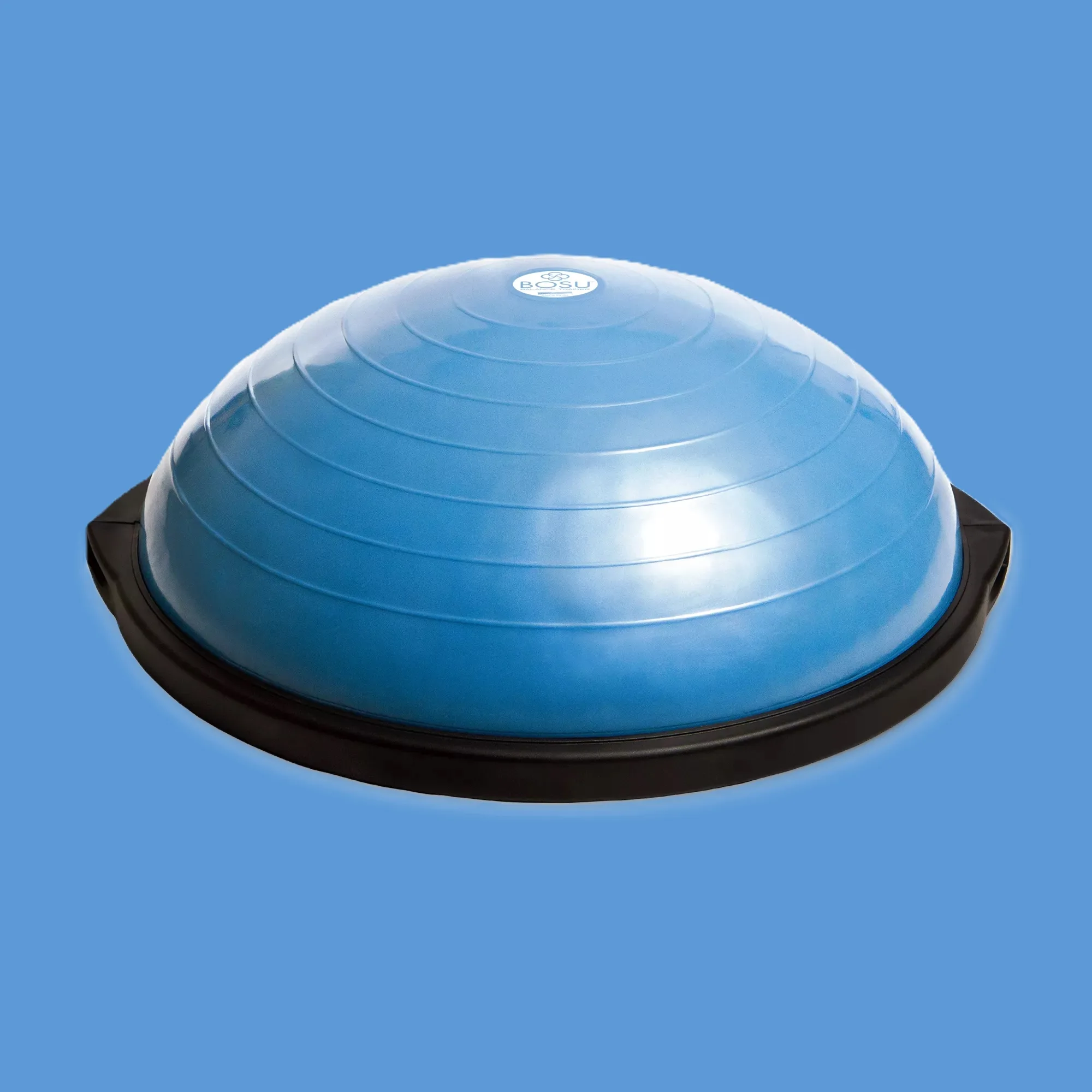
- The Prescription: Integrate balance drills directly into minor pockets of your daily routine—such as standing on one leg while brushing your teeth or waiting for water to boil. To progress the challenge once a standard hold becomes easy, perform the stance with your arms crossed flat over your chest. To drastically challenge your proprioception and vestibular system, attempt the drill with your eyes closed while standing safely near a wall or counter for emergency support.
4. Cardiovascular Capacity: Anaerobic and Zone 2 Conditioning
Cardiovascular fitness directly dictates your systemic stamina and recovery capacity. Over time, the heart experiences a natural drop in maximal heart rate and a gradual reduction in aerobic efficiency. To preserve myocardial elasticity and capillary density, your training framework must address both endurance and brief cardiovascular peaks.
- The Diagnostic Test: Assess your current baseline using a standardized aerobic benchmark, such as tracking the total distance you can comfortably walk or jog in 12 minutes, or monitoring how quickly your elevated heart rate drops during the first two minutes immediately following physical exertion (heart rate recovery).
- The Prescription: For optimal longevity, structure approximately 60% of your total weekly cardiovascular output around Zone 2 Aerobic Training. This means continuous, low-intensity activities like brisk walking, cycling, or swimming sustained at an effort level where you can easily maintain a spoken conversation. To efficiently stimulate anaerobic threshold adaptations without overtaxing your joints, supplement this foundation once or twice a week with brief interval bursts:
- Perform 4 to 6 sets of 20-second maximal effort sprints on a stationary bicycle.
- Allow for 40 seconds of low-intensity recovery pedaling between each active interval.
Takeaway
Ultimately, treating your physical health like a high-performance machine beats treating it like a fragile antique. If your test results were a bit more humbling than you anticipated, don’t throw in the towel just yet—the human body remains remarkably adaptable at every stage of life, and biological clocks can absolutely be coaxed into ticking a little slower. Consistently tracking these metrics ensures you are building genuine, functional longevity. After all, you want to make sure that when you eventually look back on your golden years, the only things genuinely cracking are the jokes.
Source: