• 2 MIN. READ

Staying Fit as You Age: What Happens to Your Body When You Hit 50?

AdobeStock/zamuruev

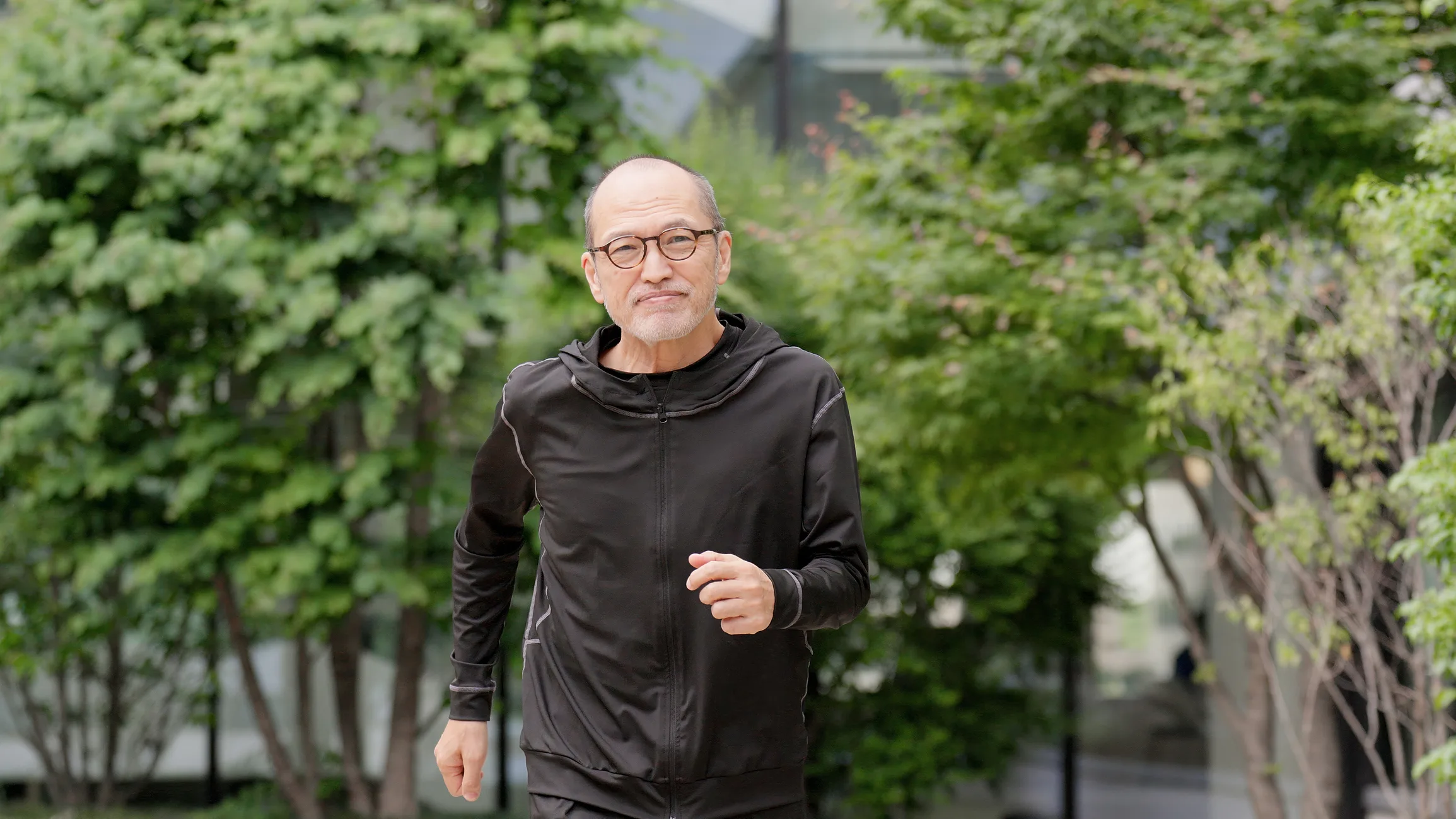
Hitting 50 is a milestone in many ways. How your body responds to exercise is one of them. A team of researches at Tufts University provided a scientific explanation as to why our bodies and muscles do not respond to exercise post-50 as they did pre-50.

What the research shows

It turns out the biological processes that turn exercise into muscle becomes less effective once we hit 50. While the basic biology of all people, young or old, is more or less the same, research shows that in a young muscle, a little bit of exercise produces a strong signal for the many processes that trigger muscle growth. Whereas in older people, the signal telling muscles to grow is much weaker for a given amount of exercise. These changes begin to occur when a person reaches around 50 years old and become more pronounced as time goes on.

The research team was also able to determine that in addition to changes in signaling, our genes also change in response to exercise as we age. When younger men exercise, there are changes in the expression of more than 150 genes. When they looked at older men, they found changes in the expression of only 42 genes. This difference in gene expression seems to explain, at least partly, the more visible variation between how young and old people respond to strength training.

Conclusion

The conclusion is older people do not gain muscle mass as well as young people. Surprise! 🙄

But honestly, once you hit 50, the goal isn’t to gain muscle mass. The goal is not to lose the muscle mass you already have! So start getting busy! If you can look at yourself in the mirror when you’re 60 or 70 and say “damn, I look as good as I did when I was 50” you’ve met your goal! 🙂

Source:

50-year-old muscles just can’t grow big like they used to – the biology of how muscles change with age

Share the Post:

Active Aging News

Weekly Newsletter

RELATED NEWS

A female doctor sits at her desk and chats to an elderly female patient while looking at her test results

Should Older Adults be Prescribed an Exercise Regimen by their Physician?

Elderly lady getting immunization via anti-viral vaccine.

Shingles Vaccine Slashes Dementia Risk in Real-World Study

Senior man using medical device to measure blood pressure

Why Your Bottom Blood Pressure Number Matters More Than You Think

Elderly people jogging in the park

How “Slow Jogging” Protects Your Memory, Joints, and Mood

Morning breathing exercises: woman's active fight against cancer in park.

Moving Through the Storm: Why Exercise is the Newest Ally in Cancer Care

OTHER STORIES

gym woman sport treadmill mature couple exercise active running exercising fitness female senior indoor training healthy vitality

Is Walking Enough Exercise For Longevity?

Woman and her husband sleeping comfortably

Forget the Pills: The Two-Step Fitness Formula for a Perfect Night’s Sleep After 60

Cut Back On Your Meat Consumption With This Unique Diet

Frustrated middle aged woman with walking disability looking in distance.

Cognitive Resilience: The Mystery of Minds Immune to Alzheimer’s Damage

infographic-style illustration titled Understanding Polygenic Scores set against a blue background. On the left, a large, colorful DNA double helix stands vertically, labeled with references to multiple genetic variants (SNPs) and risk alleles, visually suggesting small genetic differences within DNA.

The “Cheat Codes” for Your 60s: Why Your Polygenic Score Matters Now

Helicobacter Pylori bacteria in the stomach

The Unwelcome Guest: Is a Common Stomach Bug Raising Your Alzheimer’s Risk?

[chatbot style="floating"]

Please enter your email to access your profile