How many of us have experienced a common situation where we suddenly appear to age almost overnight? New wrinkles seem to magically appear, and aches and pains start to creep up on us seemingly out of nowhere. Well, a recent Stanford University study shows that aging isn’t gradual, but rather occurs in two rapid bursts around the ages of 44 and 60.
Our Internal Molecules Change As We Age
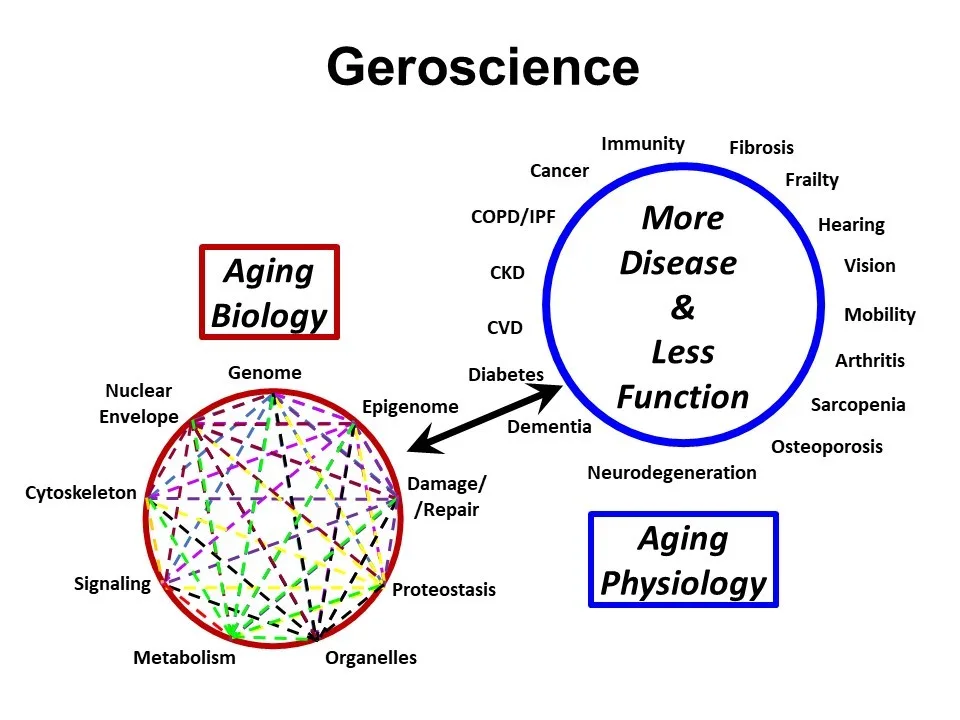
The study tracked thousands of different molecules in people aged 25 to 75. What they found was two major waves of age-related changes occur at around ages 44 and 60. The findings could explain why spikes in certain health issues including musculoskeletal problems and cardiovascular disease occur at these ages.
“It turns out the mid-40s is a time of dramatic change, as is the early 60s – and that’s true no matter what class of molecules you look at.” said Prof Michael Snyder, a geneticist and director of the Center for Genomics and Personalized Medicine at Stanford University and senior author of the study.
In particular, at age 44 , the molecules related to cardiovascular disease, as well as metabolizing fatty compounds and alcohol become less effective. Similarly, at age 60, the molecules responsible for immune regulation and carbohydrate metabolism become less effective.
These dramatic shifts in molecules and microorganisms inside and outside of the body can significantly impact cardiovascular health and immune function.
While the aging process can’t be stopped, there are steps that can be taken to enhance quality of life and age more gracefully. These include:
- Limiting red and processed meat
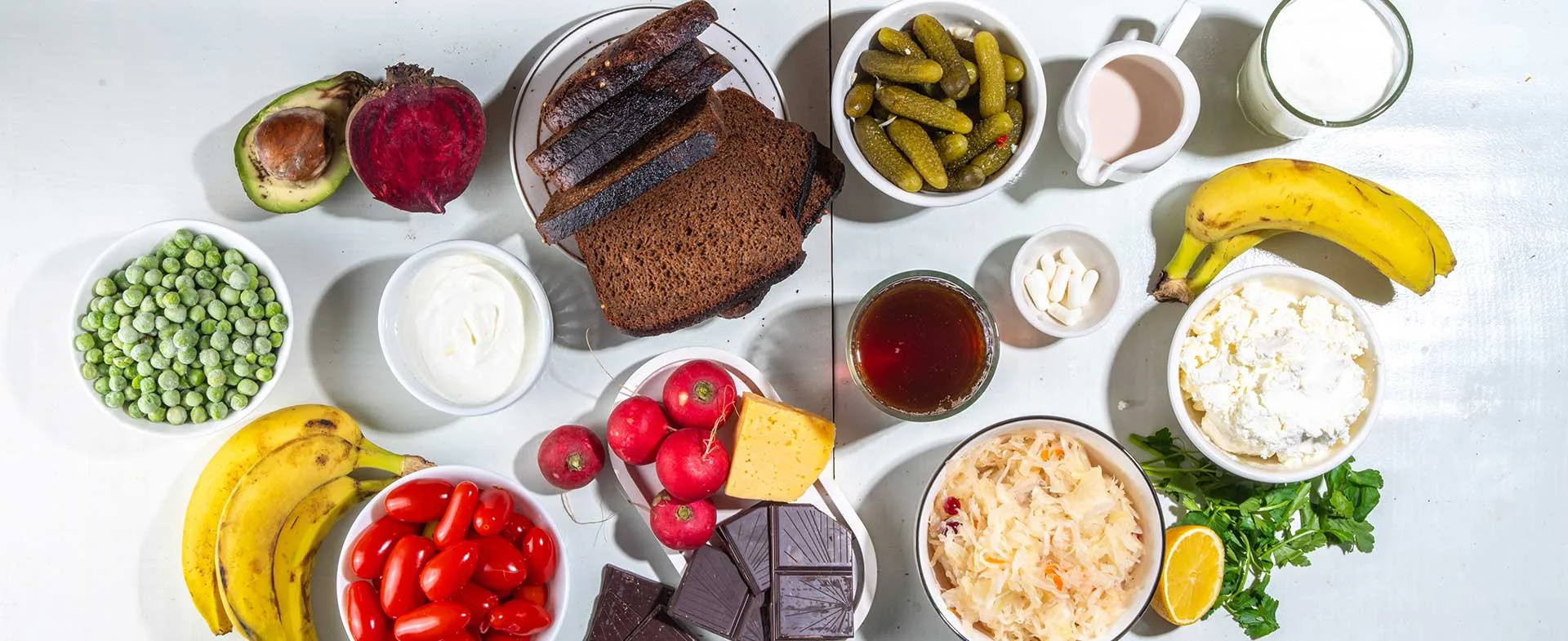
- Eating more vegetables
- Prioritizing sleep
- Minimizing stress
- Keeping excess weight off
- Staying active
- Using skincare products that contain retinoids or antioxidants like vitamin C
- Maintaining a healthy immune system
- Keeping up with vaccines
- Stopping smoking
The exact cause of these radical changes are still unknown, but whatever their causes, the existence of these clusters points to the need for people to pay attention to their health, especially in their 40s and 60s. That could look like increasing exercise to protect your heart and maintain muscle mass at both ages or decreasing alcohol consumption in your 40s as your ability to metabolize alcohol slows.
Source:
Massive biomolecular shifts occur in our 40s and 60s, Stanford Medicine researchers find
Scientists find humans age dramatically in two bursts at 44, then 60