As we age, maintaining a high quality of life becomes increasingly important. While traditional medicine plays a vital role, complementary therapies like aromatherapy are gaining recognition for their gentle yet powerful ability to support physical and emotional well-being in older adults. By harnessing the therapeutic properties of essential oils, aromatherapy offers a natural pathway to alleviate common age-related challenges and enhance daily comfort.
What is Aromatherapy?
Aromatherapy is the practice of using natural plant extracts, known as essential oils, to promote health and well-being. These highly concentrated oils are derived from various parts of plants – flowers, leaves, stems, roots, or bark – and contain unique chemical compounds that interact with our bodies when inhaled or applied topically. The “magic” of aromatherapy lies in how these scents can influence our limbic system, the part of the brain associated with emotion, memory, and mood.
A Soothing Scentsation: Addressing Common Challenges
Older adults often face a unique set of challenges, from sleep disturbances and anxiety to pain and cognitive changes. Aromatherapy offers a gentle, non-invasive approach to support these areas:
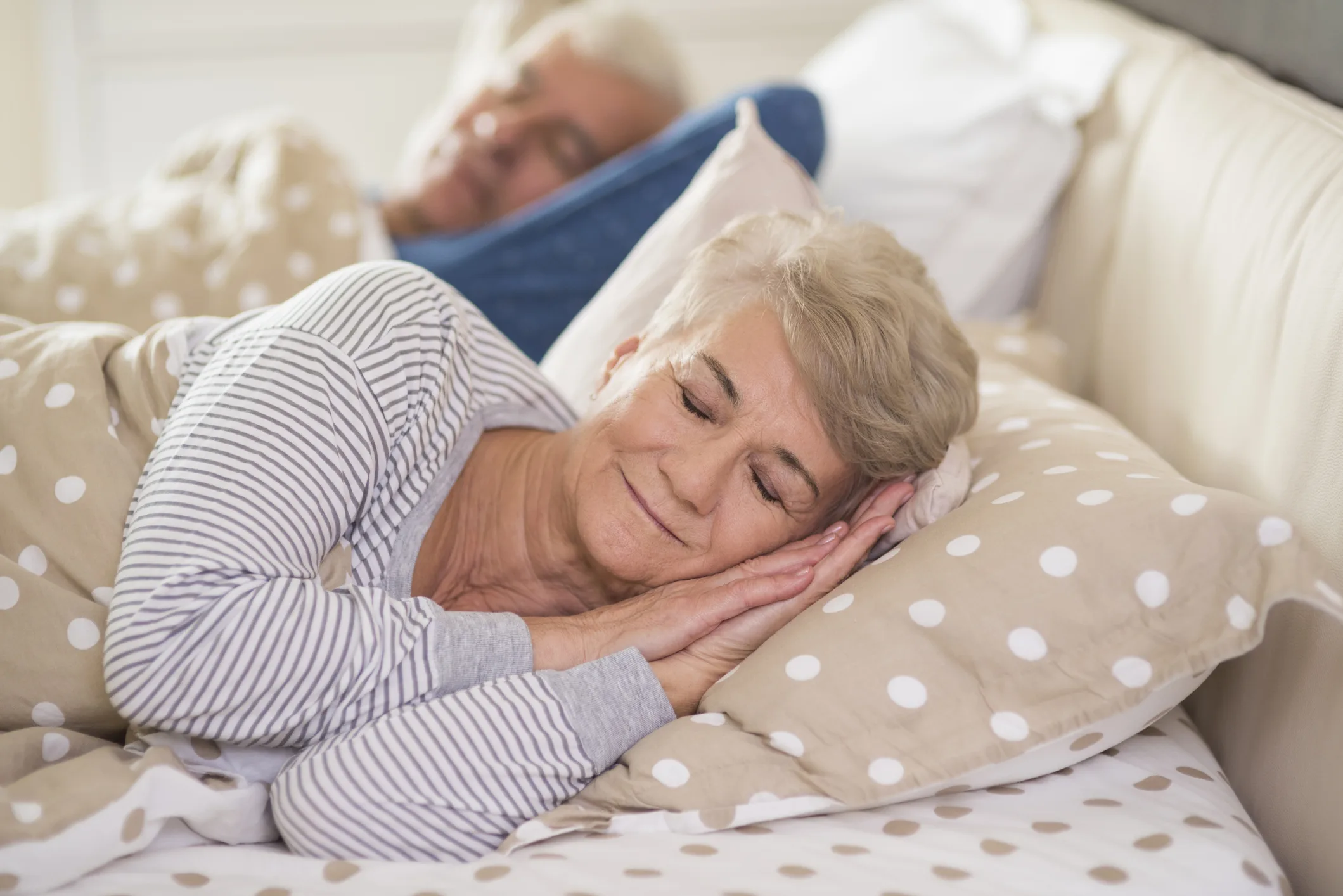
- Promoting Restful Sleep: Sleep patterns can often become disrupted with age, leading to insomnia or restless nights. Calming essential oils like lavender are renowned for their sedative properties. Diffusing lavender in the bedroom before sleep, or adding a few drops to a warm bath, can help signal to the body that it’s time to unwind, promoting deeper and more restorative sleep. Roman chamomile is another excellent choice for its gentle, calming effects.
- Alleviating Anxiety and Stress: Feelings of anxiety, worry, or restlessness can significantly impact an older adult’s quality of life. The uplifting and soothing properties of essential oils can help calm the nervous system. Bergamot, frankincense, and orange are often used to reduce feelings of stress and anxiety, fostering a sense of peace. These can be diffused in living areas or applied (diluted) to pulse points.
- Managing Pain and Discomfort: While not a substitute for medical pain management, some essential oils can offer complementary relief for aches and stiffness often associated with aging. Oils like peppermint, ginger, and eucalyptus have anti-inflammatory and analgesic (pain-relieving) properties. When properly diluted with a carrier oil (like jojoba or almond oil), they can be gently massaged into sore joints or muscles to provide a warming or cooling sensation and ease discomfort.
- Boosting Mood and Combating Low Spirits: Isolation, health issues, or grief can sometimes lead to feelings of sadness or low mood in older adults. Citrus oils, such as lemon and **grapefruit, are known for their uplifting and invigorating properties, which can help brighten spirits and promote a more positive outlook. Diffusing these oils can create a more cheerful and energetic atmosphere.
- Supporting Cognitive Function and Alertness: While research is ongoing, some studies suggest that certain essential oils may have a positive impact on alertness and memory. Rosemary is often cited for its ability to enhance concentration and recall, making it a popular choice for diffusing during activities that require focus. Peppermint can also provide an invigorating boost for mental clarity.
Safe and Effective Application
When using essential oils with older adults, safety is paramount. Their skin may be more sensitive, and they may have underlying health conditions.
- Dilution is Key: Always dilute essential oils with a carrier oil (like jojoba, almond, or grapeseed oil) before applying them to the skin. A general guideline is 1-2 drops of essential oil per teaspoon of carrier oil for older adults.
- Diffusion: Using an essential oil diffuser is a safe and effective way to introduce aromas into a space without direct skin contact. Ensure good ventilation.
- Patch Test: Before widespread topical application, perform a small patch test on a discreet area of skin to check for any sensitivity or allergic reaction.
- Consult a Professional: Especially if the individual has chronic health conditions, is taking medications, or has very sensitive skin, it’s always best to consult with a healthcare provider or a certified aromatherapist before starting any new aromatherapy regimen. Some oils may have contraindications with certain medications or conditions.
Takeaway
Aromatherapy offers a gentle, natural, and enjoyable way to enhance the daily lives of older adults. By thoughtfully incorporating the power of scent, we can help promote relaxation, improve sleep, uplift spirits, and provide a complementary approach to managing common age-related discomforts, contributing to a richer, more comfortable later life.
Source:
4 aromatherapy benefits for older adults