It was not too long ago that standard post-game recovery for a professional athlete involved an ice pack and whatever domestic beer was on sale at the local tavern. In fact, baseball legend Wade Boggs famously claimed to have consumed 73 beers on a cross-country flight in the 1990s while still maintaining a batting average that would make a 25-year-old jealous. Fast forward to today, and elite athletes operate like million-dollar biomedical experiments. Figures like Tom Brady playing football at 44 or WNBA veteran Alysha Clark dominating at 38 are no longer anomalies; they are the roadmap. The good news? You don’t need a multi-million-dollar sports contract to steal their playbook, and you certainly don’t have to live in a hyperbaric chamber to reap the benefits.
Here is how cutting-edge sports medicine and clinical research can help you blow past your own biological limits and stay at the top of your game.
Redefining Recovery: Ditching the “Ice and Couch” Routine
For decades, the standard response to a tough workout, a long hike, or a grueling afternoon of yard work was simple: throw some ice on it and sit completely still. Modern sports science has officially turned this old paradigm on its head. Today, active recovery and cellular stimulation have replaced passive rest.
- Photobiomodulation (Red-Light Therapy): It looks like science fiction, but elite athletes use red and near-infrared light therapy for a very practical reason: it works. Research published in Lasers in Medical Science demonstrates that this light penetrates deep into tissues, stimulating your mitochondria (the powerhouses of your cells) to increase ATP energy production and significantly reduce the inflammation that makes you feel stiff the next morning.
- Compression and Lymphatic Drainage: Instead of just relaxing on the couch, modern athletes use dynamic compression sleeves to mechanically pump fluid out of their extremities. This process accelerates lymphatic drainage and flushes out metabolic waste, dramatically shortening the lifespan of that deep muscle soreness that tends to linger a bit longer after age 50.
- Movement is Medicine: The contemporary consensus among sports physiologists is that low-intensity, targeted movement—like a light swim, a casual bike ride, or a dedicated mobility routine—promotes blood flow and tissue repair far more effectively than complete immobilization.
Fighting Sarcopenia: Your Plan to Keep Muscle and Bone
One of the most frustrating physiological hurdles we face after age 50 is sarcopenia—the involuntary loss of muscle mass and strength. According to the Journal of Bone and Mineral Research, adults naturally lose roughly 1% to 2% of their muscle mass every single year after 50. High-performing older athletes don’t just accept this; they fight back with specific nutritional adjustments and smart training.
- Overcoming Anabolic Resistance: As we age, our bodies experience “anabolic resistance,” meaning it takes a bit more effort to trigger muscle growth than it did in our twenties. Current guidelines from the American College of Sports Medicine recommend that active older adults aim for 1.2 to 2.0 grams of protein per kilogram of body weight daily, spread out evenly across your meals to maximize absorption.
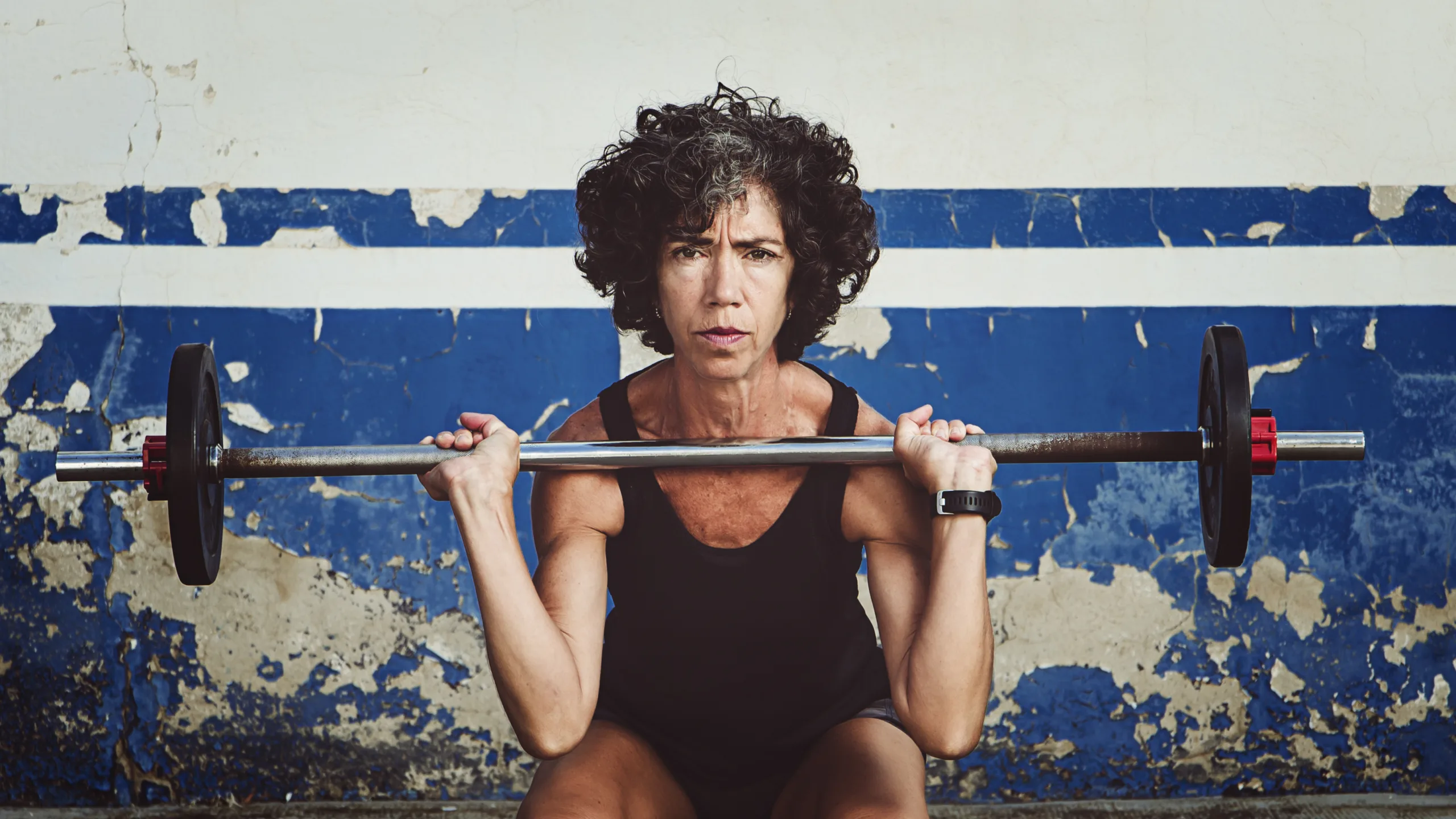
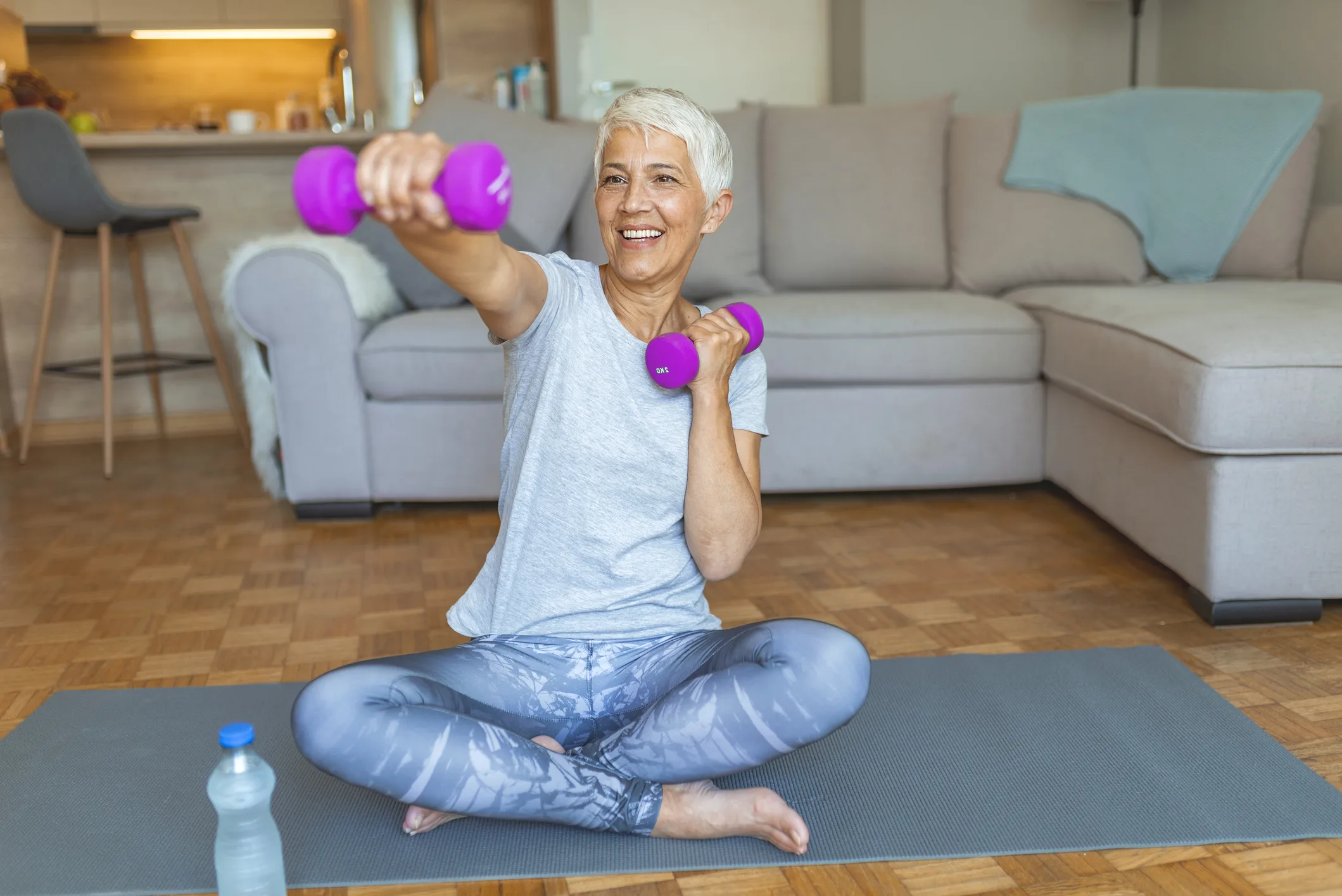
- Lifting with Purpose: You don’t need to bulk up like a bodybuilder, but progressive resistance training is non-negotiable. Clinical research shows that lifting weights doesn’t just protect your muscles; it signals your bones to stay dense and strong, serving as your absolute best defense against osteoporosis.
- The Power of Grip Strength: It sounds simple, but longitudinal studies published in The Lancet have identified grip strength as an incredibly accurate biomarker for overall longevity. Maintaining your upper-body and extremity strength directly translates to keeping your physical independence for decades to come.
Cellular and Brain Optimization
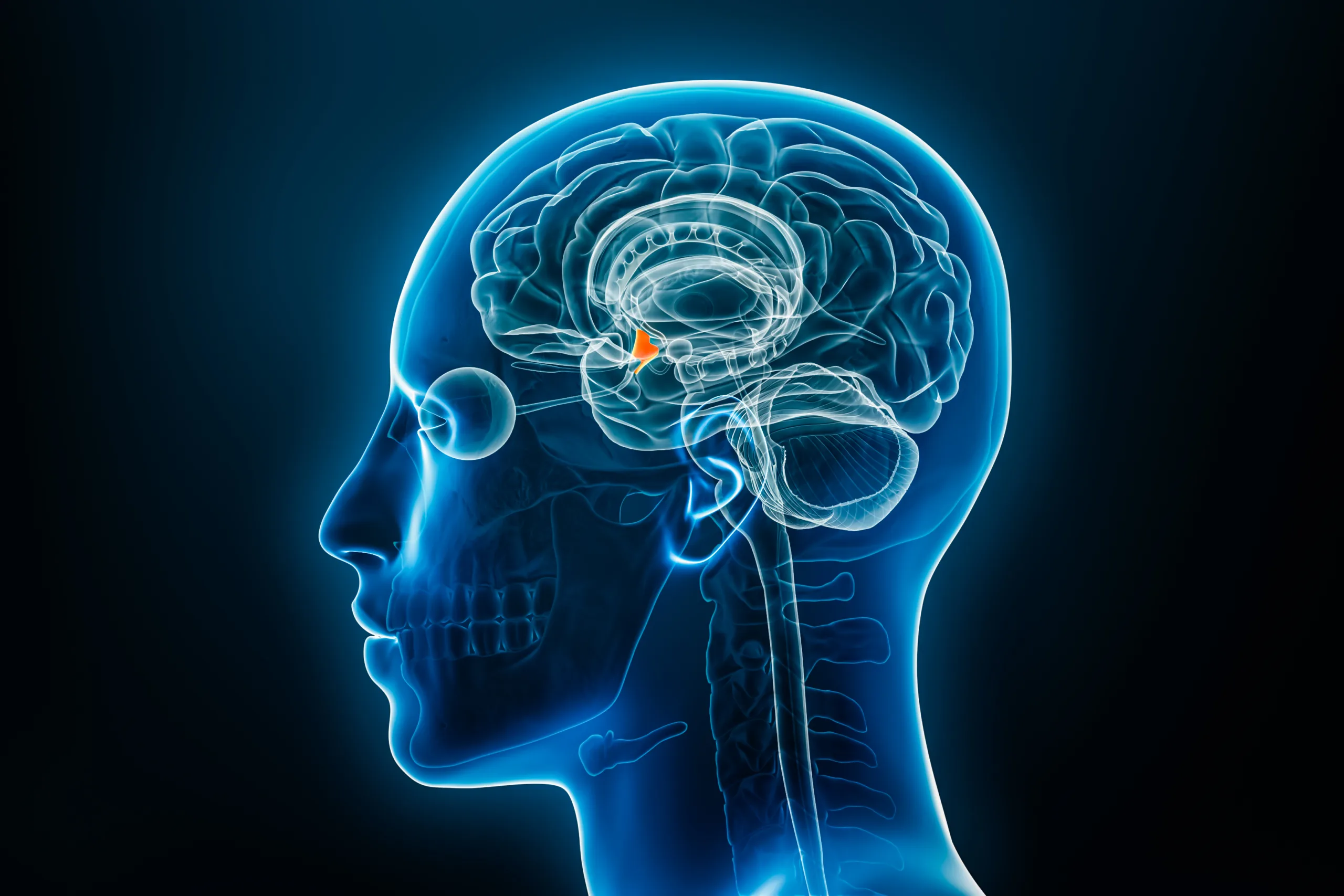
Extending physical longevity requires addressing systemic inflammation and keeping the neurological systems driving the machine firing on all cylinders.
- The Anti-Inflammatory Protocol: Chronic, low-grade inflammation (often called “inflammaging”) acts like rust on a sports car, accelerating joint and tissue breakdown. Elite competitors combat this by leaning into diets rich in omega-3 fatty acids, polyphenols, and antioxidants. A favorite trick is drinking tart cherry juice post-workout; peer-reviewed studies confirm its high concentration of anthocyanins reduces muscle pain and provides a natural source of melatonin to improve sleep.
- Sleep as a Performance Enhancer: Pro athletes no longer view sleep as passive downtime; they treat it like a premium recovery drug. Deep sleep is when your body releases growth hormones and your brain’s glymphatic system actively clears out metabolic waste. Clinical sleep studies show that protecting a window of 7 to 9 hours of quality sleep is the single most effective thing you can do for your body and mind.
- Sharpening Your Reflexes: Maintaining balance and spatial awareness is vital for preventing injuries as we age. Modern training protocols regularly include agility drills, balance boards, and dual-task exercises (like doing a physical movement while solving a mental puzzle) to keep your brain-to-muscle communication sharp and reactive.
Takeaway
Ultimately, you do not need an array of sci-fi gadgetry or a personal team of sports surgeons to age like an Olympian. You just need to stop treating your body like it is expired goods. By swapping out the old “no pain, no gain” mentality for smart, evidence-based recovery and nutrition, you can keep your joints moving smoothly and your mind sharp. After all, if modern science can keep a 40-year-old absorbing tackles in the NFL, it can certainly help you dominate the local pickleball court or out-pace your grandkids. Just leave the 73-beer post-game routine in the 1990s where it belongs.
Source:
The Longevity Secrets Helping Athletes Blow Past the Limits of Age