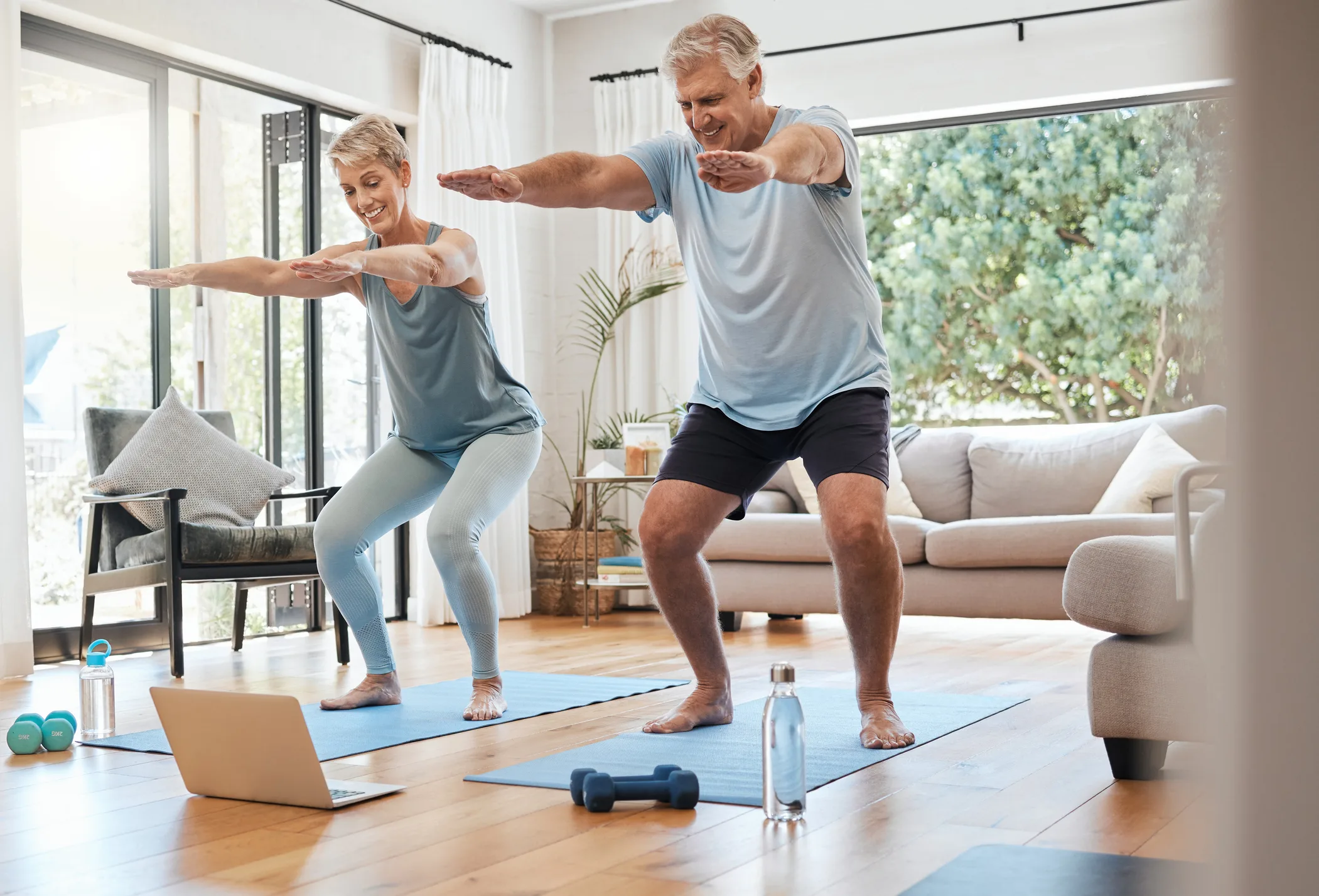
There comes a time in life when a “wild night” no longer involves crowded venues or loud music, but rather sleeping a solid six hours without waking up to check if the refrigerator is humming at the correct frequency. If you are over 60, you have likely noticed that a good night’s sleep has become somewhat of an elusive luxury. While the common medical response has historically been to hand out prescriptions for sedative medications—which often leave you feeling like a slow-moving cloud the next morning—recent research suggests the actual secret to deep sleep might be sitting right in your sneaker closet.
A monumental suite of comprehensive analyses published in medical journals including BMC Geriatrics and Sleep and Biological Rhythms has shattered the old, vague advice to “just stay active.” By pooling data from 62 distinct randomized controlled trials involving 5,005 participants over the age of 60, researchers have unlocked the precise movement formula required to reset the aging clock of our biological rhythms.
The Reality of Sleep Architecture After 60
As we age, our “sleep architecture”—the natural cycling between light sleep, deep REM sleep, and dreaming states—gradually fragments. This change makes it much easier to wake up from minor environmental noises or slight physical discomfort.
While sleeping pills are frequently used as a quick fix, long-term use carries significant drawbacks for older adults, including:
- Dependency and Tolerance: The body quickly adapts, requiring higher doses for the same effect.
- Daytime Grogginess: An increased risk of sluggishness, which directly correlates to an elevated risk of slips and falls.
- Cognitive Fog: Temporary disruptions in short-term memory and alertness during waking hours.
To avoid these pharmacological hazards, medical researchers have been searching for a behavioral alternative that can reliably stabilize the body’s internal clock.
The Winning Combo: Aerobic Plus Resistance Training
The landmark network meta-analysis led by researcher Zhiyu Xiong evaluated nine different categories of exercise—including walking, stretching, mind-body exercises, and even virtual reality games. The clear winner for adults over 60 was not a single standalone activity, but a combination of aerobic exercise and resistance training.
When performed together, these two types of exercise tackle the primary structural and metabolic barriers to sleep:
- Core Temperature Regulation: Aerobic activities (like brisk walking, swimming, or cycling) rapidly elevate your core body temperature. The subsequent gradual drop in temperature over the following hours mimics the body’s natural pre-bedtime cooling process, signaling the brain that it is time for deep sleep.
- Pain Reduction and Joint Relief: Resistance training (using light weights, machines, or elastic bands) strengthens the muscles surrounding your joints. This directly reduces nighttime aches, chronic muscle stiffness, and structural discomfort that frequently cause micro-awakenings during the night.
Finding Your Optimal Weekly “Dose”
The research team went a step further by calculating the exact energy expenditure needed to maximize sleep improvements. They measured this using a metric known as metabolic equipment of task minutes (MET-minutes), which tracks the intensity and duration of physical activity.
The study concluded that the optimal dose for adults over 60 sits at 990 MET-minutes per week, which aligns closely with the official recommendations of the World Health Organization.
Translated into a real-world weekly schedule, you can easily hit this target using one of two approaches:
- Option A: Three 40-minute workout sessions per week.
- Option B: Five 30-minute workout sessions per week.
The data revealed that these sessions should balance cardiovascular movement with basic strength exercises. Furthermore, the maximum benefits of this routine peak at around 15 weeks of consistent training, meaning the body takes about three to four months to fully adapt and lock in its new, stabilized sleep rhythm.
Takeaway
In short, if you want to stop staring at the bedroom ceiling waiting for dawn, the most effective tool at your disposal is a balanced mix of cardio and muscle building. It turns out that lifting a few light weights and taking a brisk walk around the neighborhood is the ultimate non-prescription sleep aid. So, dust off those sneakers and pick up a pair of dumbbells. Your reward will be a night of deep, uninterrupted slumber—leaving you with plenty of energy to face whatever tomorrow throws at you, even if it is just a very early morning argument with the neighbor’s leaf blower.
Source: