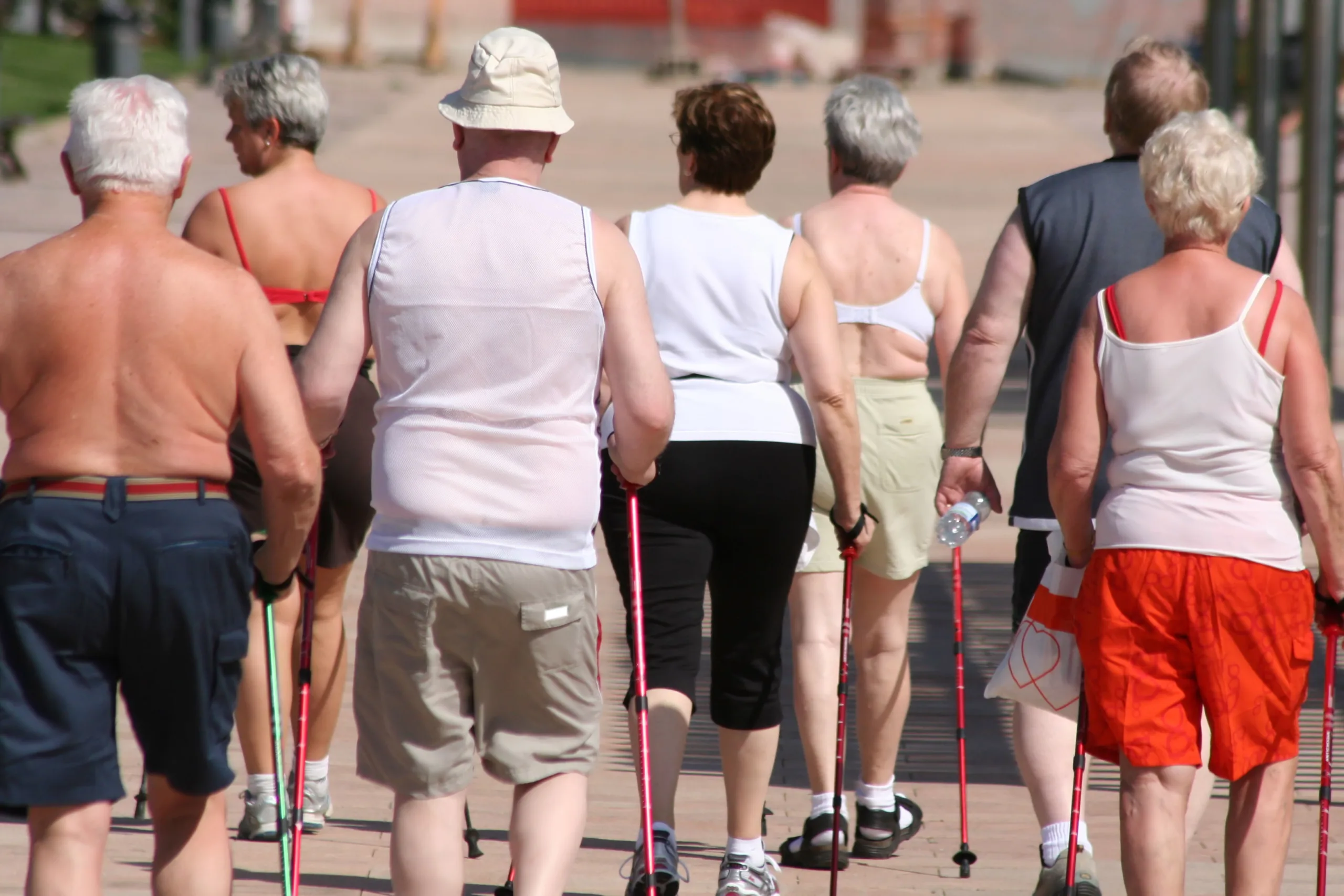
They say that “timing is everything,” a phrase usually reserved for landing a joke at dinner or deciding when to finally pull the trigger on those sensible walking shoes you’ve been eyeing. But as it turns out, timing might also be the secret sauce for your cardiovascular health. For years, we’ve been told to “just move,” regardless of whether the sun was rising or the evening news was about to start. We’ve collectively spent decades dragging ourselves to 6:00 AM aerobics classes while feeling like extras from The Walking Dead, or trying to hit the treadmill at 9:00 PM when our brains were already firmly tucked into bed. However, a groundbreaking new study suggests that your “body clock” isn’t just a suggestion—it’s a biological manual for when you should be breaking a sweat.
The Science of “Chrono-Exercise”
A recent clinical trial published in the journal Open Heart examined how “chronotypes”—our natural inclination toward being a “morning lark” or a “night owl”—interact with exercise timing. The study focused on sedentary adults aged 40 to 60 who possessed at least one cardiovascular risk factor, such as hypertension or high cholesterol.
The researchers discovered that “chrono-alignment”—simply matching your workout time to your natural biological rhythm—yielded significantly better health outcomes than exercising at a time that conflicted with your internal clock. For adults over 50, this research suggests that the efficiency of your exercise may be just as important as the intensity.
Key Findings: The Impact on Cardiovascular Health
The 12-week study monitored participants across several critical health markers. Those who exercised in alignment with their chronotype saw marked improvements compared to those who were “misaligned.”
- Blood Pressure Reduction: Participants who matched their exercise to their body clock saw a systolic blood pressure drop of approximately 10.8 mm Hg, nearly double the 5.5 mm Hg drop seen in the mismatched group.
- Hypertension Management: For those specifically suffering from high blood pressure, the results were even more pronounced, with a reduction of 13.6 mm Hg in the aligned group.
- Cholesterol and Glucose: The study noted greater improvements in LDL (often called “bad”) cholesterol levels and fasting blood glucose when timing was optimized.
- Autonomic Function: Heart rate variability and overall heart rate recovery improved more significantly when the body was physically taxed at its preferred time of day.
Aerobic Capacity and Sleep Quality
Beyond the numbers on a blood pressure cuff, the study highlighted improvements in functional fitness and restorative rest. Aligning exercise with your internal rhythm led to a higher “VO2 peak,” which is a primary measure of aerobic fitness and a strong predictor of longevity in older adults.
Furthermore, sleep quality—a common concern for those in their 50s and 60s—saw a boost. While evening exercise is often blamed for keeping people awake, the study found that for “night owls,” evening exercise actually improved sleep metrics, whereas “morning larks” benefited most from early sessions. This suggests that the physiological stress of exercising at the “wrong” time can disrupt the body’s ability to wind down or recover effectively.
Identifying Your Chronotype
To apply these findings to your daily routine, you must first determine your natural disposition. Most individuals fall into one of two primary categories:
- Morning Types (Larks): These individuals wake up early with ease, feel most alert in the morning hours, and typically experience a dip in energy by early evening.
- Evening Types (Owls): These individuals prefer a later start to the day, reach their peak mental and physical performance in the late afternoon or evening, and often struggle with early morning commitments.
Implementation Strategies for Adults 50+
The takeaway for the modern adult is not to work harder, but to work smarter. By scheduling physical activity to coincide with your peak alertness, you reduce “social jetlag”—the physiological strain caused by a mismatch between your biological needs and your daily schedule.
- Consult Your Body, Not the Clock: If you feel sluggish and uncoordinated at 7:00 AM, do not force a high-intensity workout. Shift your primary activity to the late afternoon.
- Prioritize Consistency through Comfort: The study noted that adherence to exercise programs is higher when the timing feels natural. Choosing a time that aligns with your energy levels makes it more likely you will maintain the habit long-term.
- Consider a “Hybrid” Approach: If your schedule demands a morning workout but you are a night owl, keep the morning session light (such as stretching or a gentle walk) and save your more vigorous cardiovascular training for later in the day.
Wrapping It Up
Ultimately, this research gives you the perfect scientific excuse to stop fighting your DNA. If the thought of a sunrise jog makes you want to file a formal grievance with the universe, you now have clinical permission to hit the snooze button. On the other hand, if you’re a morning lark, you can finally stop feeling guilty for being tucked into bed by 8:30 PM while the “owls” are just getting started. It turns out that listening to your body isn’t just a trendy wellness mantra; it’s a legitimate medical strategy for keeping your heart ticking—preferably at a time of day when you’re actually conscious enough to appreciate it.
Source: