By the time we hit 60, most of us have developed a complex relationship with gravity. It suddenly feels a bit heavier than it used to, and our joints occasionally sound like bubble wrap being popped under a rug. While we cannot opt out of aging, we can certainly prevent our skeletons from giving up without a fight. The good news is that maintaining robust bone density does not require moving into a gym or attempting heavy Olympic lifts; it simply takes 15 minutes of smart, targeted movement in your living room.
The Physiology of Aging Bones: Remodeling, Density, and Load
Bone tissue is not static; it is a dynamic, living structure that constantly undergoes a biological process known as bone remodeling. Specialist cells called osteoclasts continuously break down old bone matrix (resorption), while osteoblasts deposit new collagen and mineralized tissue (formation).
As we age, hormonal shifts—such as the sharp drop in estrogen following menopause in women and gradual androgen decline in men—cause bone resorption to outpace bone formation. Left unchecked, this imbalance reduces bone mineral density, leading first to osteopenia and eventually to osteoporosis, significantly increasing the clinical risk of fragility fractures.
Medical science has long established Wolff’s Law, which states that bone adapts to the structural loads placed upon it. When muscles pull against bone during movement, or when bone experiences vertical weight-bearing impact, osteoblasts are stimulated to produce new bone tissue. According to recommendations from the National Institute on Aging (NIA) and the Bone Health and Osteoporosis Foundation (BHOF), a combination of weight-bearing and progressive resistance movements is essential for preserving skeletal integrity and preserving functional independence in older adults.
Why Equipment-Free Weight-Bearing Exercise Works
You do not need expensive machines or heavy dumbbells to trigger positive bone remodeling. Bodyweight exercises utilize gravity to generate mechanical tension across key skeletal sites—particularly the hip joint, femoral neck, and lumbar spine, which are the most common sites for age-related fractures.
Fitness trainer James Lewis, who brings over 15 years of industry experience working with individuals across all mobility levels, emphasizes functional longevity over aesthetics:
“I’ve always encouraged people to focus on exercises that help them move well, stay strong, and feel confident in what their body can do. Ultimately, it’s about building a body that continues to work well for you, so you can keep doing the things you enjoy for as long as possible.”
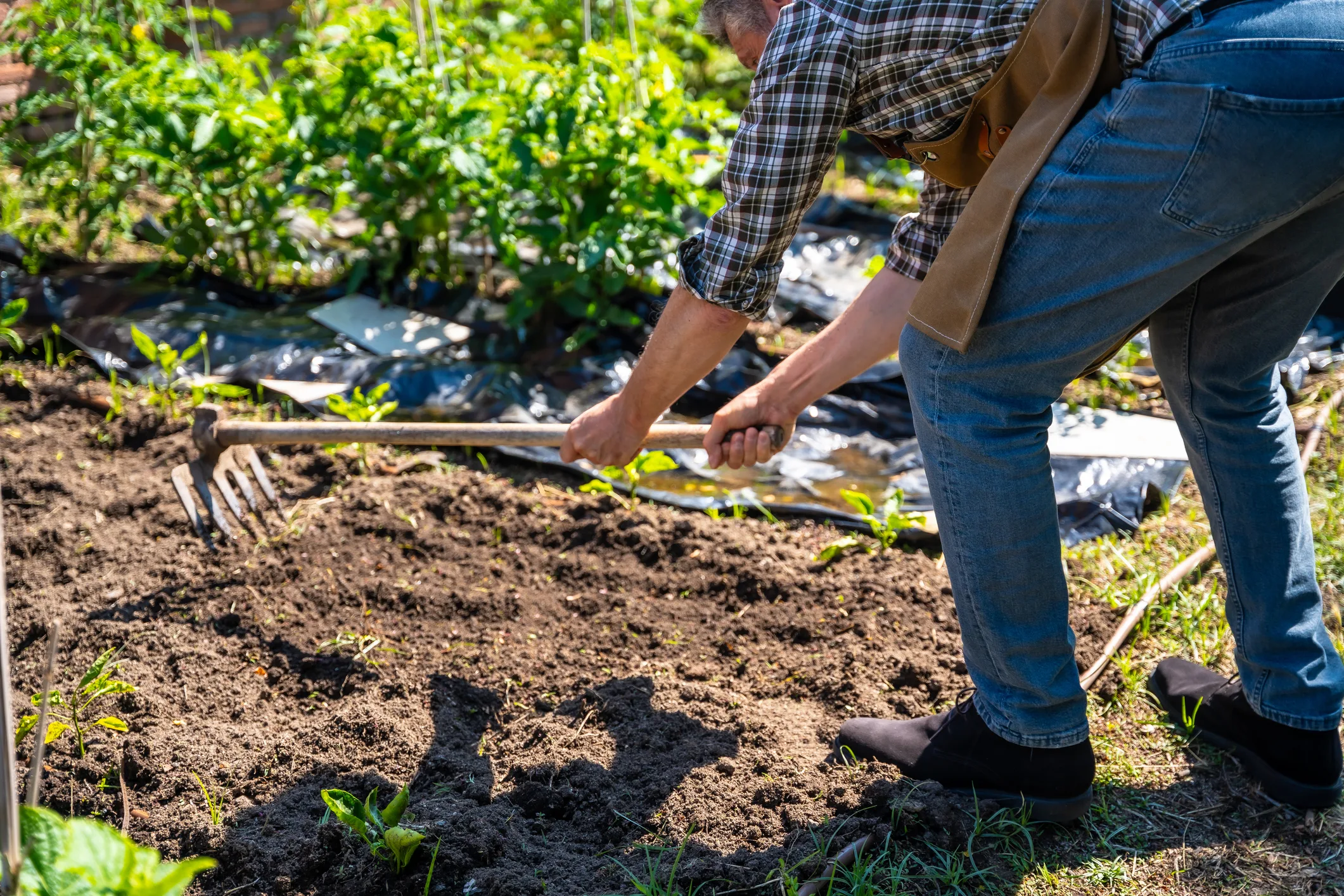
Lewis notes that daily tasks—such as carrying groceries, climbing stairs, or gardening—exert positive stress on bone tissue. However, structured, routine exercise ensures all major postural muscle groups and joints are systematically loaded. Doing a focused 15-to-20-minute routine just two to three times a week provides sufficient mechanical stimulus to support skeletal density and postural stability.
Five Essential Equipment-Free Exercises for Older Adults
The following routine targets lower-body strength, hip bone density, spinal stability, and fall-prevention balance. Each exercise can be performed at home without specialized gear.
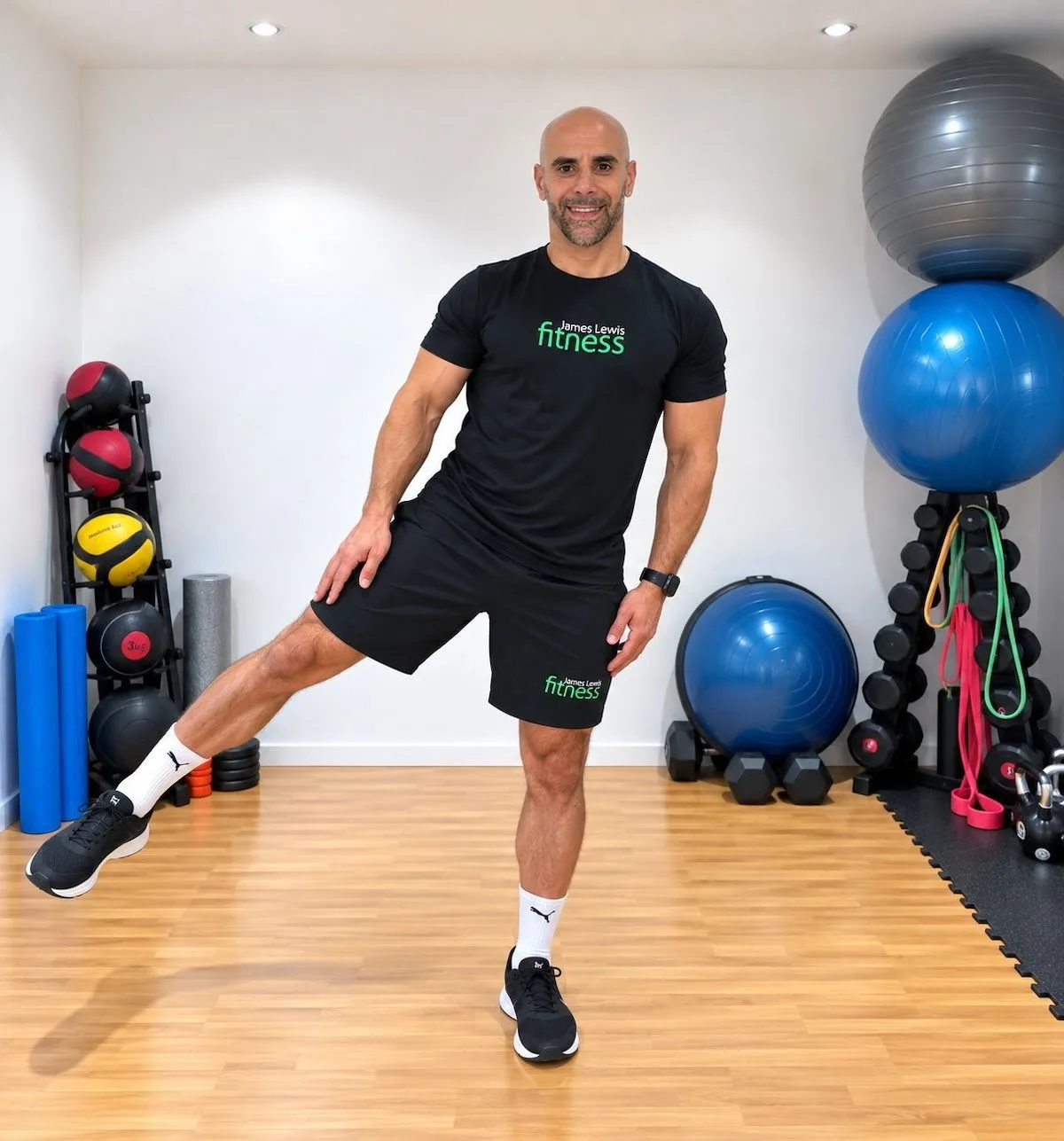
- Standing Side Leg Raise
- Target Area: Gluteus medius, lateral hip stability, and femoral head loading.
- Prescribed Volume: 2 sets of 8–12 repetitions per leg.
- Execution: Stand tall, holding onto a sturdy chair or wall for light support if needed. Keep your torso upright and slowly abduct one leg straight out to the side. Pause at the top of the movement, then lower with control. Strengthening the outer hip stabilizes the pelvis, reducing lateral sway and lowering fall risks.
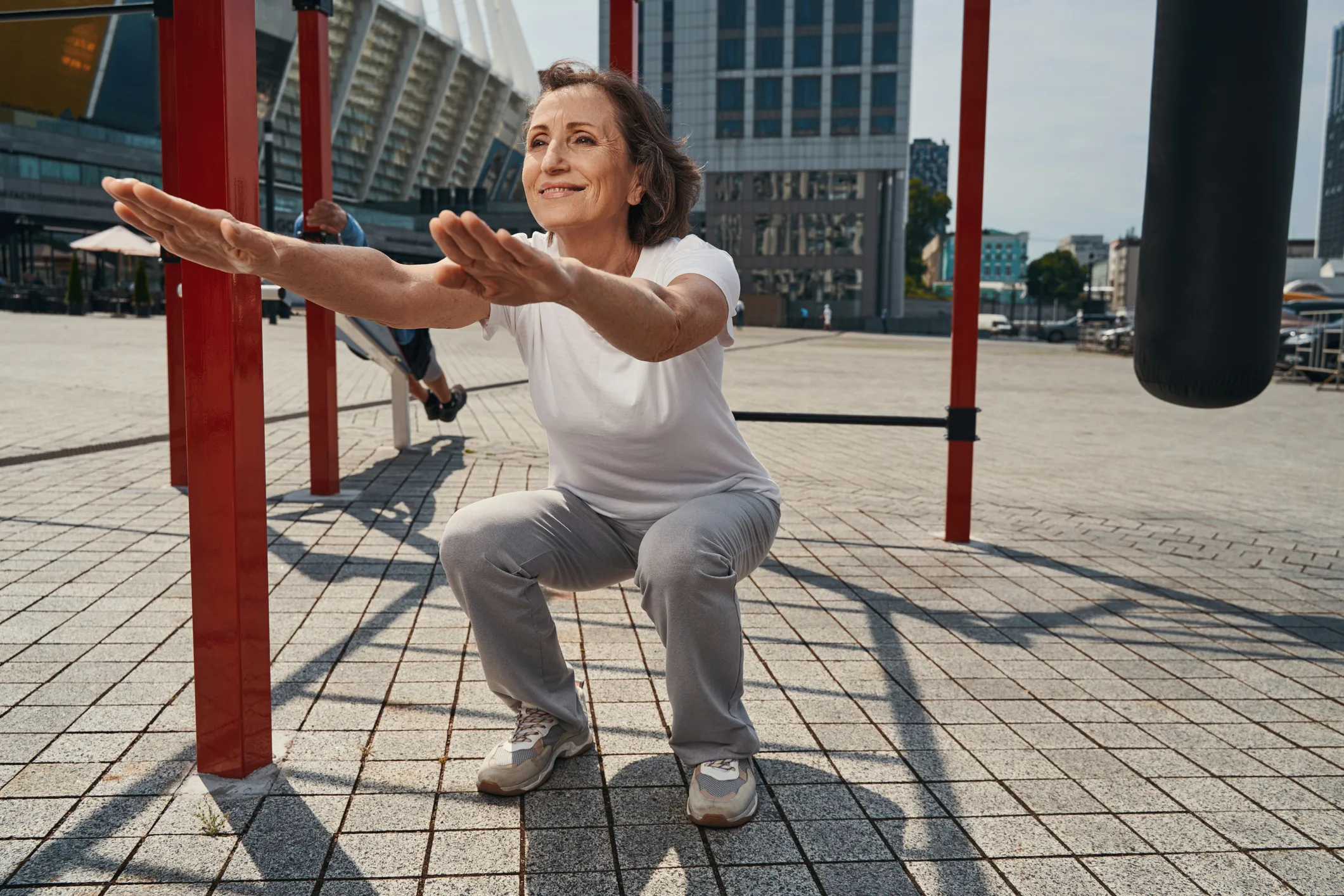
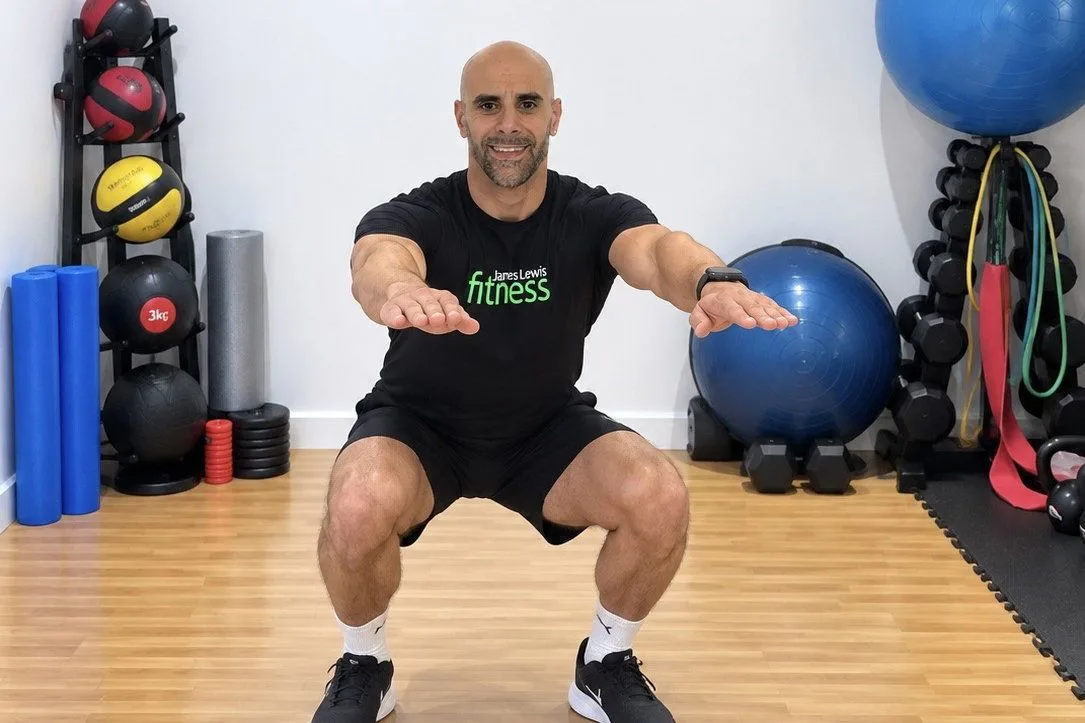
- Bodyweight Squat
- Target Area: Quadriceps, gluteals, hamstrings, and bone mineral density in the femur and pelvis.
- Prescribed Volume: 2 sets of 10–15 repetitions.
- Execution: Position your feet shoulder-width apart. Hinge at your hips and bend your knees as if sitting back into a firm chair, keeping your heels grounded and chest lifted. Push through the heels to return to a standing position. As Lewis notes: “Squats help maintain lower body strength, which is important for simple things like getting up from a chair or climbing stairs.”
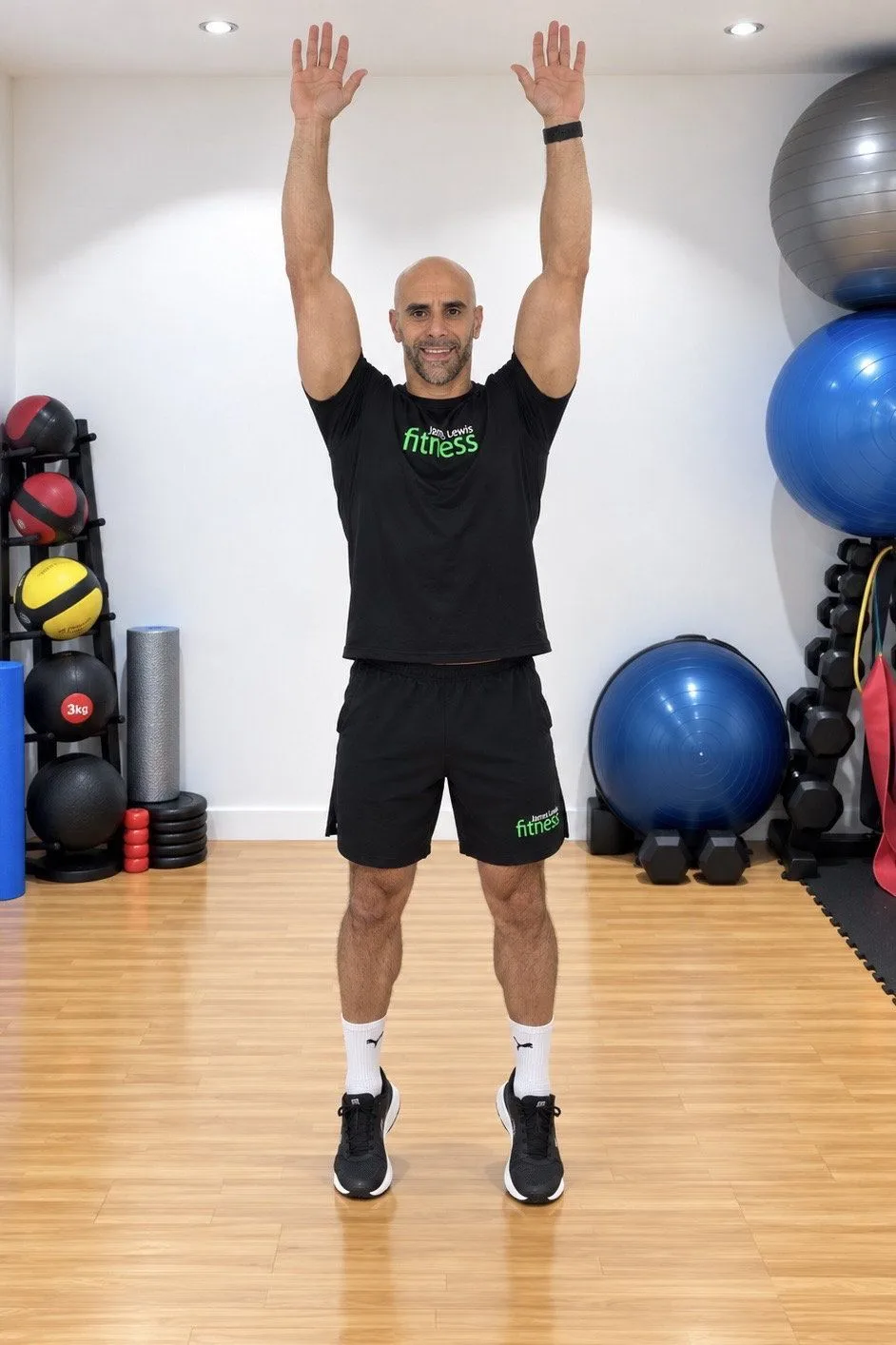
- Overhead Reach with Calf Raise
- Target Area: Thoracic spine mobility, ankle dorsiflexion, calf strength, and full-body posture.
- Prescribed Volume: 2 sets of 8–12 controlled repetitions.
- Execution: Stand upright with feet hip-width apart. Reach both arms high overhead while simultaneously raising your heels to press up onto your tiptoes. Pause briefly at peak elevation before lowering your heels and arms back down under control. This loading pattern challenges balance while promoting vertical spinal extension.
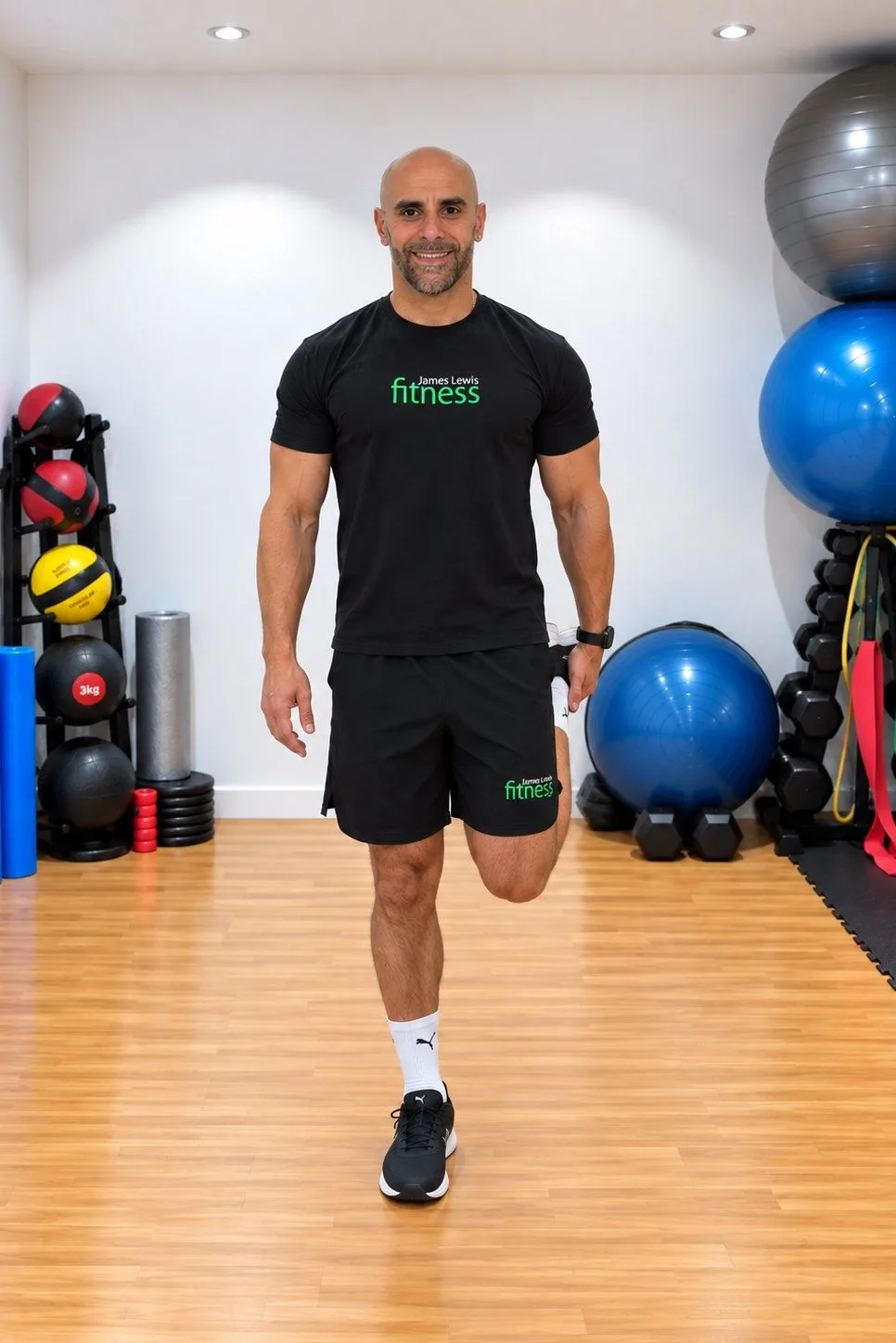
- Single-Leg Balance
- Target Area: Micro-stabilizers in the ankles and hips, proprioception, and neurological balance control.
- Prescribed Volume: Hold for 20–30 seconds per side; repeat twice.
- Execution: Stand near a wall or counter for safety. Shift your weight onto one leg, keeping the standing knee slightly soft (not locked out), and lift the opposite foot a few inches off the floor. Focus your eyes on a stationary object ahead to assist balance.
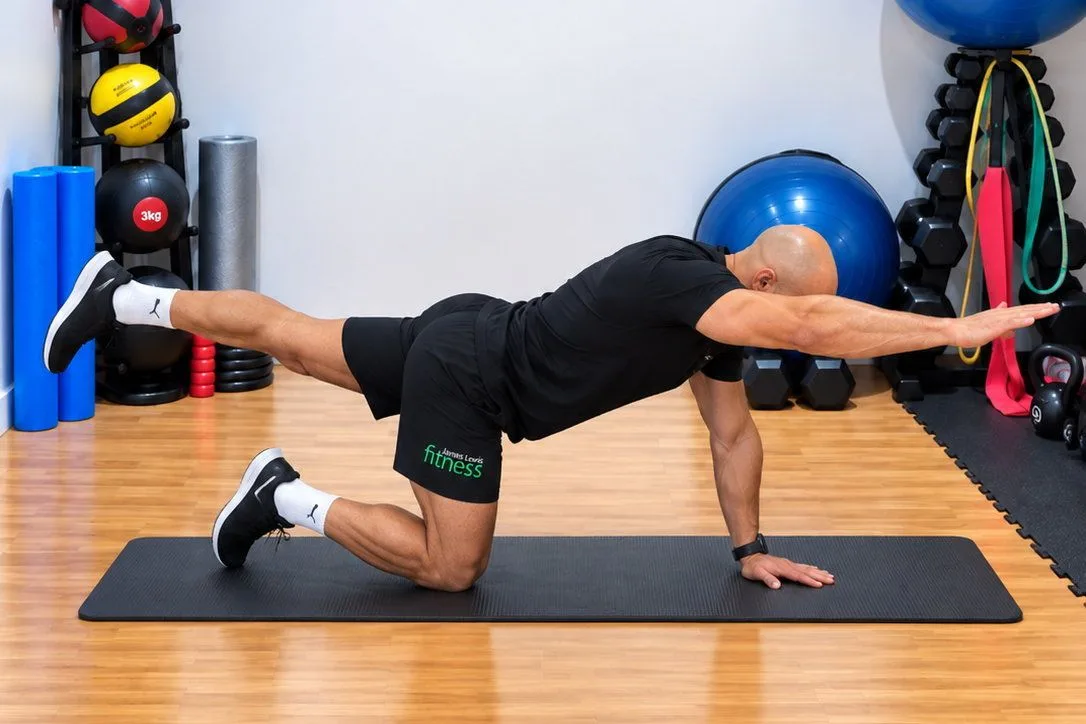
- Bird Dog
- Target Area: Core stability, lumbar spine protection, multi-segmental coordination, and posterior chain activation.
- Prescribed Volume: 2 sets of 8–10 repetitions per side.
- Execution: Begin on your hands and knees in a tabletop position with a neutral spine. Simultaneously extend one arm straight forward and the opposite leg straight back until both are parallel to the floor. Keep your hips level and core engaged. Hold for a moment, slowly return to the starting position, and alternate sides. Lewis explains: “Single-leg exercises challenge balance and stability, while movements such as the bird dog strengthen the core and help us control and support the body.”
Clinical Safety Guidelines for Osteopenia and Osteoporosis
Before embarking on any new exercise regimen, older adults diagnosed with osteopenia or severe osteoporosis should obtain medical clearance from a primary care physician or physical therapist.
- Avoid Uncontrolled Spinal Flexion: Individuals with low spinal bone density should avoid sharp forward bending or forceful trunk twisting, as these movements increase compressive forces on the anterior vertebral bodies.
- Maintain Safety Supports: If balance is compromised, perform standing movements adjacent to a kitchen counter or heavy chair to ensure immediate stability.
- Prioritize Form Over Speed: Controlled execution maximizes muscle engagement and skeletal stress while minimizing shear stress on vulnerable joints.
Takeaway
Consistency beats intensity every single time when it comes to bone health. Dedicating a few minutes every few days to these movements will keep your frame resilient, your balance sharp, and your posture upright. Your skeleton has carried you around faithfully for six decades or more—giving it a little deliberate maintenance is the least you can do to ensure it carries you through the next few decades without snapping under pressure.
Source: