Let’s be honest: if you tell a Millennial that you’re having “meatloaf and mashed potatoes” for dinner, they look at you as if you’ve just confessed to eating a bowl of cardboard. They’ll likely counter with their plans for a deconstructed, nitrogen-infused avocado toast or a bowl of quinoa that requires a dictionary to pronounce. We Baby Boomers have spent decades perfecting the art of the “Sunday Roast,” while the younger crowd seems convinced that if a meal isn’t “farm-to-table” and posted on Instagram, it didn’t actually happen. But as we navigate the golden years of our appetites, it’s worth asking: who really won the food wars? Is it the generation that invented the TV dinner, or the one that thinks a “smash burger” is a revolutionary culinary breakthrough?
The Core Values of the Boomer Palate
While the media often fawns over the latest “foodie” trends, the reality is that the Boomer generation remains the most powerful force in the dining industry. With a collective purchasing power in the trillions, our preferences are shaping how restaurants and food producers operate. However, our approach to food is markedly different from those who came after us. For those of us over 50, dining is less about “the scene” and more about the substance.
We prioritize several key factors when choosing what to eat:
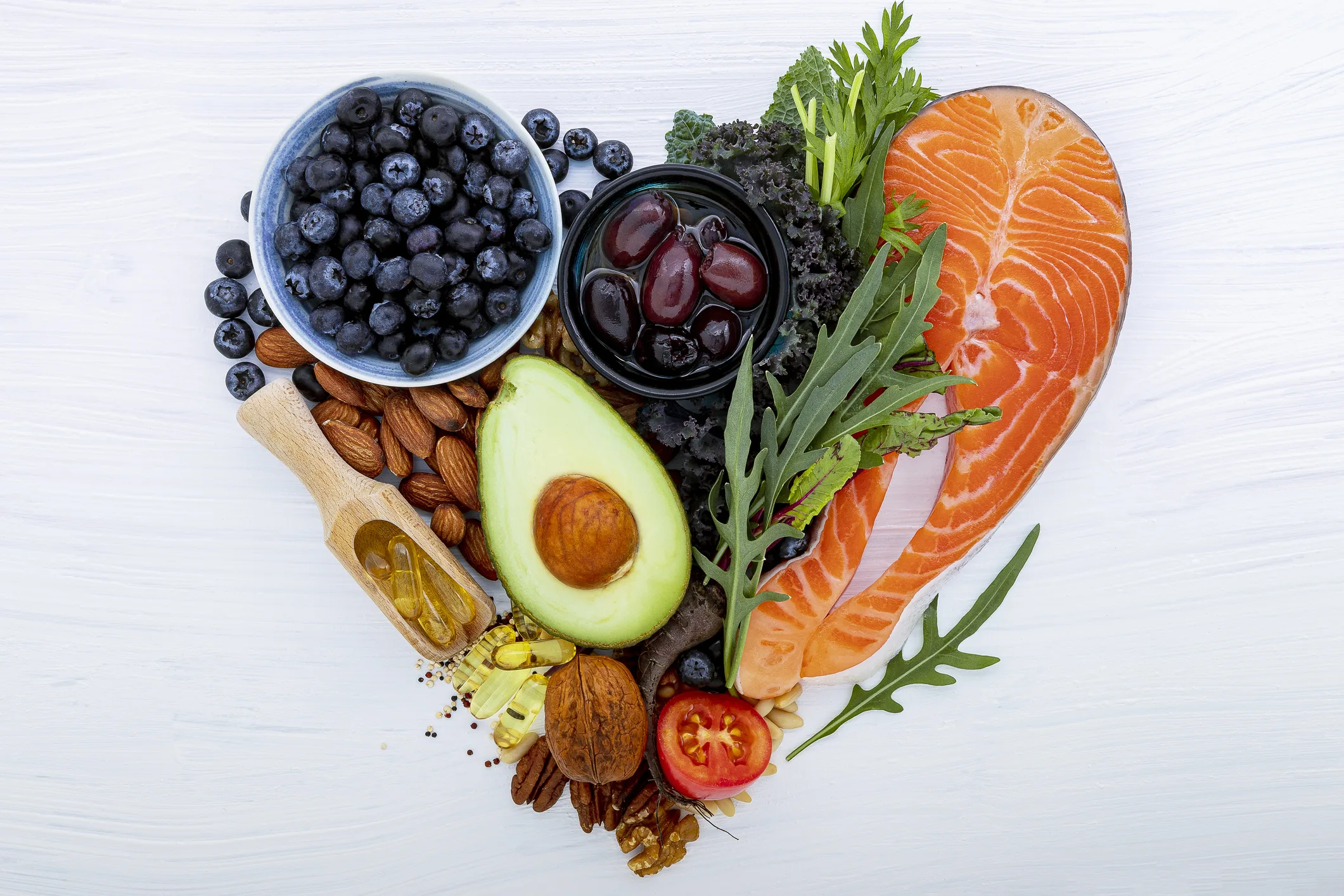
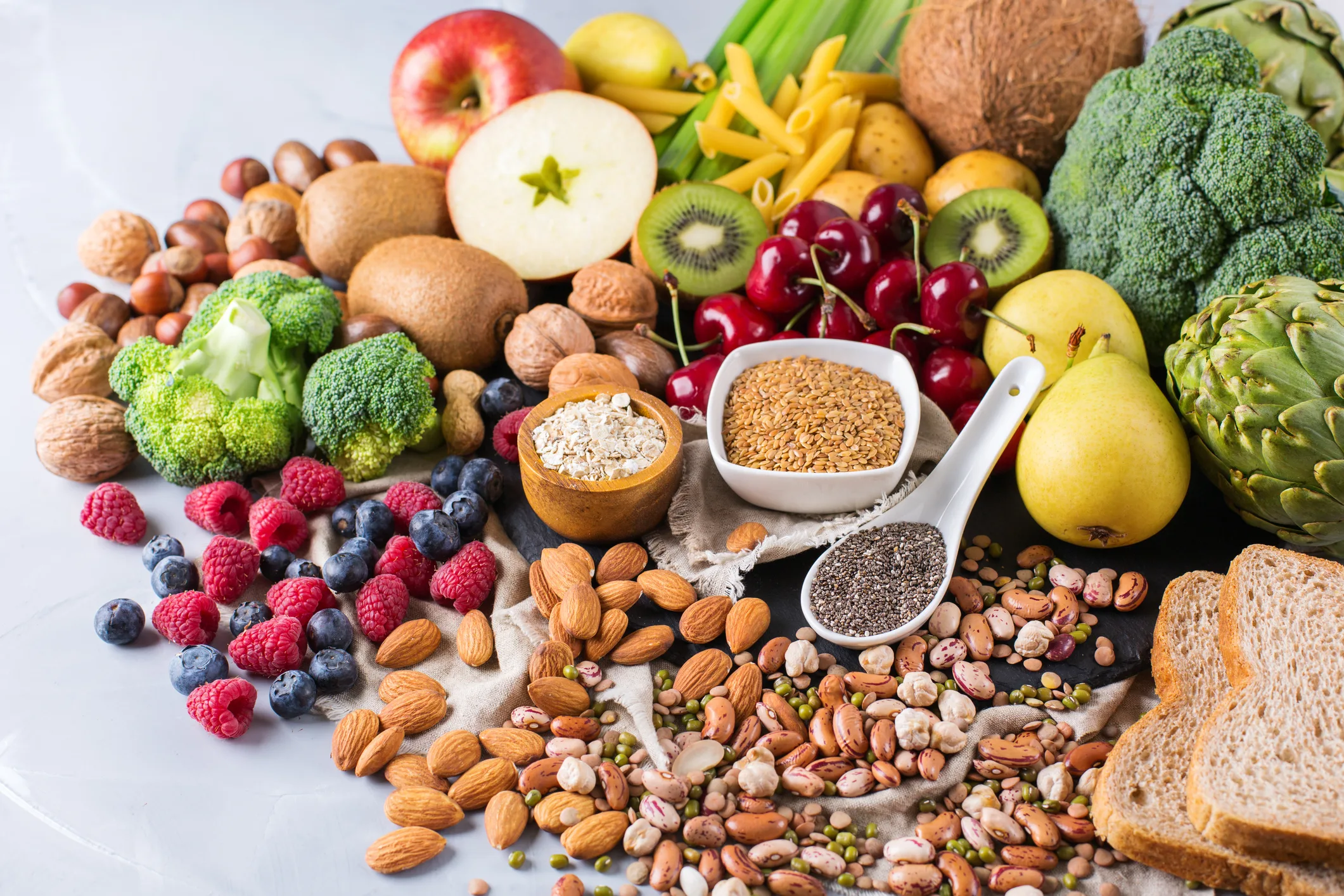
- Health and Longevity: As we age, food is increasingly viewed as fuel for health. There is a significant shift toward the “MIND” diet (a hybrid of Mediterranean and DASH) which focuses on brain health and cognitive function.
- Familiarity with a Twist: We aren’t necessarily looking for “weird” food, but we do appreciate “elevated classics.” Think of a traditional ribeye served with a sophisticated herb butter or a classic pizza topped with premium, fresh ingredients.
- Transparency and Clean Labels: Unlike younger generations who might follow a trend because it’s “organic,” Boomers look for clean labels with ingredients we can actually pronounce. If we can’t say it, we generally don’t want to eat it.
- Nutrient Density: Low sodium, low sugar, and heart-healthy fats are non-negotiable. We are more likely than Millennials to seek out foods specifically for digestion and heart health.
Millennials: Convenience vs. Conscience
Millennials (born roughly between 1981 and 1996) have certainly changed the landscape, but their habits often prioritize “the experience” over traditional dining structures. They are the pioneers of the “snack-as-a-meal” movement and are far more likely to order delivery through an app than to sit down for a three-course meal.
Key differences in their food habits include:
- Ethical Sourcing: This demographic is highly focused on the “story” behind their food—where it was grown, how the animals were treated, and the carbon footprint of the delivery.
- Global Fusion: Millennials are the primary drivers of “mashup” foods, such as Korean tacos or sushi burritos. They value bold, ethnic flavors and adventurous eating over “classic” comfort.
- Convenience Over Taste: Statistics show that while Boomers prioritize taste as their primary driver for food purchases, Millennials often rank convenience as their top priority.
- Social Proof: A Millennial is significantly more likely to try a restaurant based on a social media review or a high rating on an app, whereas Boomers tend to rely on personal experience or the advice of health professionals.
The Verdict: Who Got It Right?
In the “Boomer vs. Millennial” food debate, the truth is that both generations have contributed something valuable. Millennials pushed the industry toward sustainability and transparency, forcing us all to care a little more about where our steak came from. However, Boomers have mastered the art of “Mindful Eating”—the balance of enjoying a meal while ensuring it supports a long, healthy life. We have the patience for a sit-down dinner, the wisdom to prioritize flavor over “Instagram-ability,” and the common sense to know that a “bowl of kale” is much better when there’s an actual protein involved.
So, the next time you see a 30-something taking twenty photos of their “deconstructed latte” before taking a sip, just smile and tuck into your perfectly cooked salmon. We might not have “discovered” quinoa, but we certainly know how to enjoy a meal without needing a Wi-Fi signal to do it. After all, at our age, we’ve earned the right to eat what we like, when we like—as long as it doesn’t give us heartburn and we’re home by 8:00 PM. Bon appétit!
Source:
Boomers vs Millennials: which generation got the food right?