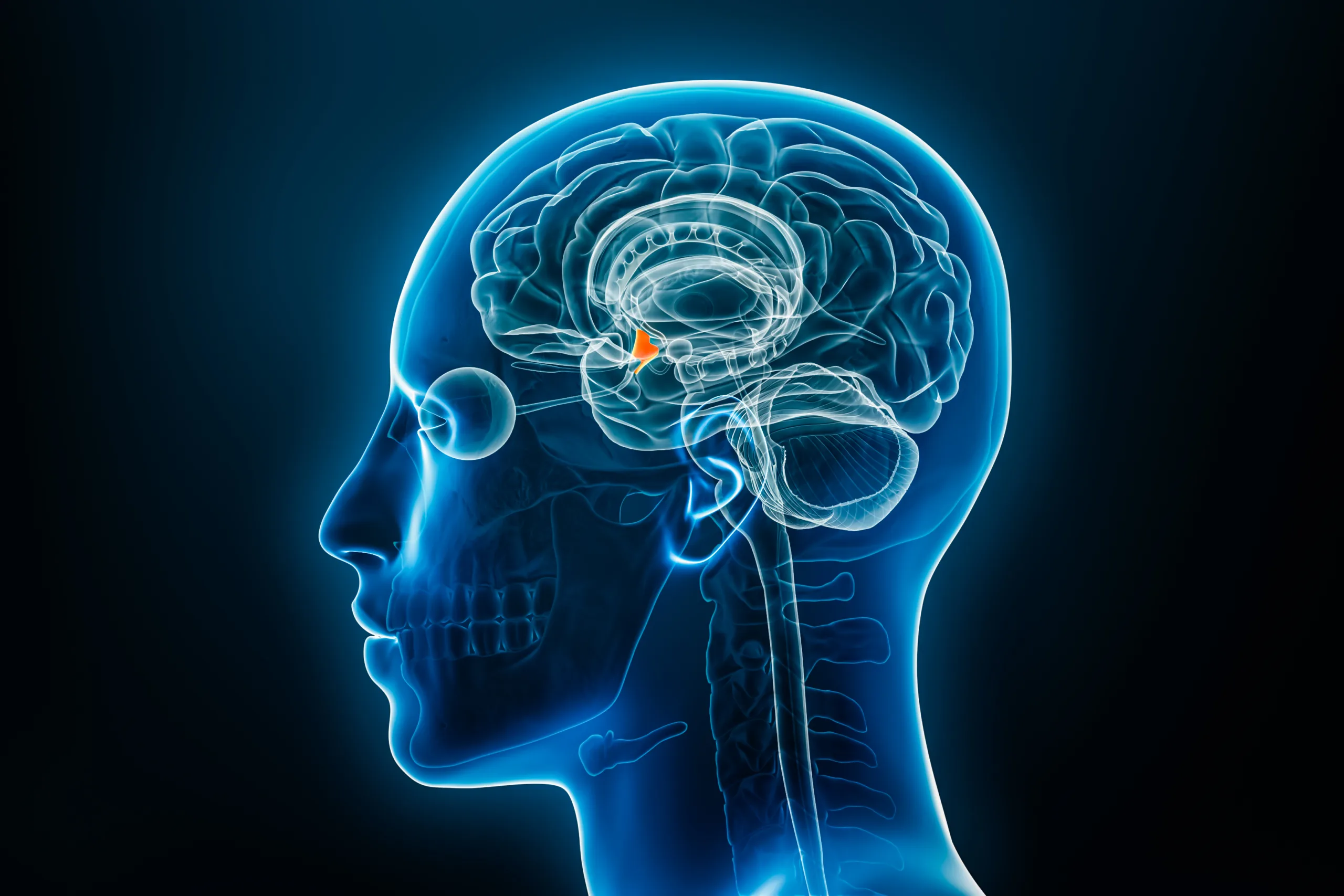
If you have ever walked into the kitchen, stood in front of the open refrigerator, and realized you have absolutely no idea what you came for, you are in good company. These fleeting “why did I enter this room?” moments become a bit more frequent past age 60, often leading us to glance suspiciously at the television ads promising a magic pill for instant mental sharpness. (If only cure-all claims worked as well for memory as they do for late-night infomercials—or toenail fungus, for that matter.)
While the temptation to buy a quick fix in a bottle is understandable, decades of medical research reveal a far more reliable answer: sound, everyday health habits outperform dietary supplements every time when it comes to preserving cognitive strength.
The Catch Behind “Studies Show” Marketing
Late-night commercials and glossy advertisements frequently insist that memory supplements are “clinically proven” or backed by groundbreaking scientific research. However, clinical reviews urge adults to view these marketing claims with a critical eye:
- Mixed or Weak Evidence: Decades of rigorous, independent studies on brain supplements continue to yield mixed or inconclusive results regarding real-world cognitive benefits.
- Flawed Research Methods: Many advertising claims rely on small sample sizes, manufacturer-sponsored trials, or selectively highlighted data points that downplay flat results.
- Lack of Regulation: Unlike prescription medications, dietary supplements are not required to prove safety and efficacy before hitting store shelves.
“They are an addition to the healthy habits known to support memory and cognitive health… view them as supplements in the truest sense of the word.”
— Eve Glazier, M.D., MBA & Elizabeth Ko, M.D., UCLA Health
4 Pillars of Science-Backed Cognitive Defense
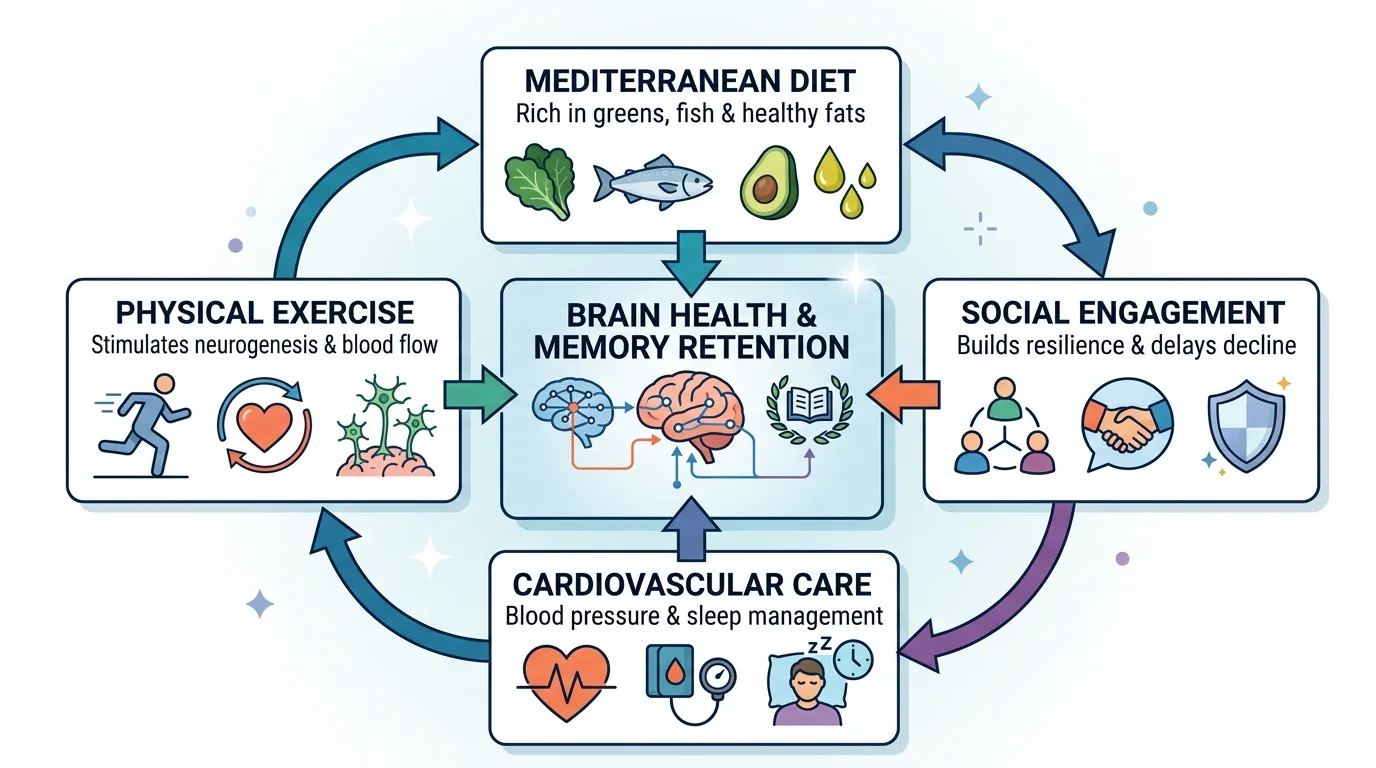
Instead of relying on a bottle of capsules, medical consensus points to four core lifestyle factors that directly preserve brain tissue and optimize mental acuity.
1. Vascular & Heart Health
What is good for your heart is directly good for your head. High blood pressure, elevated cholesterol, and heart disease compromise small blood vessels in the brain, leading to vascular cognitive impairment over time. Managing blood pressure, prioritizing quality sleep, avoiding smoking, and limiting alcohol protect this vital circulatory pipeline.
2. The Mediterranean-Style Diet
A diet rich in nutrient-dense foods delivers essential antioxidants and anti-inflammatory compounds:
- Leafy greens and fresh vegetables
- Berries and whole fruits
- Lean poultry, fish, and legumes
- Healthy fats (such as extra virgin olive oil and nuts)
- Whole grains
Research consistently demonstrates that adults following a Mediterranean diet experience lower rates of cardiovascular disease and a reduced risk of cognitive decline.
3. Regular Physical Activity
Exercise acts as a natural restorative for brain architecture. Aerobic and resistance activities increase cerebral blood flow, encouraging the brain to maintain existing neural connections while stimulating the growth of new synapses (neurogenesis).
4. Active Social Connection
Isolation accelerates cognitive decline. Newer clinical data shows that older adults who engage in regular social contact—whether through volunteering, group hobbies, or visiting friends—retain better mental sharpness than those who spend significant time isolated.
Hidden Risks: Supplement Interactions and Side Effects
If you choose to try a memory supplement alongside healthy lifestyle habits, exercise caution. “Natural” does not automatically mean “harmless.”
- Common Side Effects: Digestive distress, headaches, and nausea can occur depending on the active ingredients.
- Prescription Drug Interactions:
- St. John’s Wort can accelerate the breakdown of heart medications and antidepressants, rendering them far less effective.
- Vitamin K interferes directly with blood thinners such as Warfarin, increasing the risk of dangerous blood clots.
- Consultation Required: Always review new over-the-counter supplements with a primary care physician or pharmacist before adding them to your routine.
Takeaway
Aging brings plenty of surprises, but keeping your mind sharp does not require buying into late-night TV magic. By focusing on real food, keeping your body moving, staying connected with friends, and leaving room in your schedule for a good night’s rest, you give your brain the absolute best fighting chance. And if you still forget why you walked into the kitchen tomorrow morning—well, at least you got a few extra steps in.
Source:
Healthy habits beat brain supplements in fighting memory loss