If you have ever reached a certain vintage where your joints occasionally double as a weather forecast and your stomach stages a polite protest every time you look at a heavy pre-workout snack, you might welcome a fitness trend that lets you taste sweetness without the digestive penalty. Enter “carbohydrate mouth rinsing”—a clever physiological hack where you swish a sports drink around your mouth and spit it out, sparing your internal plumbing while still attempting to trick your brain into thinking an energy boost is on the way.
What is Carbohydrate Mouth Rinsing?
Carbohydrate mouth rinsing (carb rinsing) is a performance-enhancing strategy where an individual swishes a carbohydrate-containing solution (typically a 6 to 8 percent concentration of maltodextrin or glucose) in their mouth for 5 to 10 seconds before spitting it out entirely. Unlike traditional fueling strategies, nothing is swallowed, meaning no calories or sugars enter the gastrointestinal tract during the rinse.
- The Mechanism: Oral receptors and sensing mechanisms detect the molecular presence of carbohydrates without requiring ingestion.
- The Action: The solution is swished and expelled rather than swallowed.
- The Goal: To stimulate neural pathways without incurring metabolic or digestive costs.
How Oral Receptors Trick the Brain
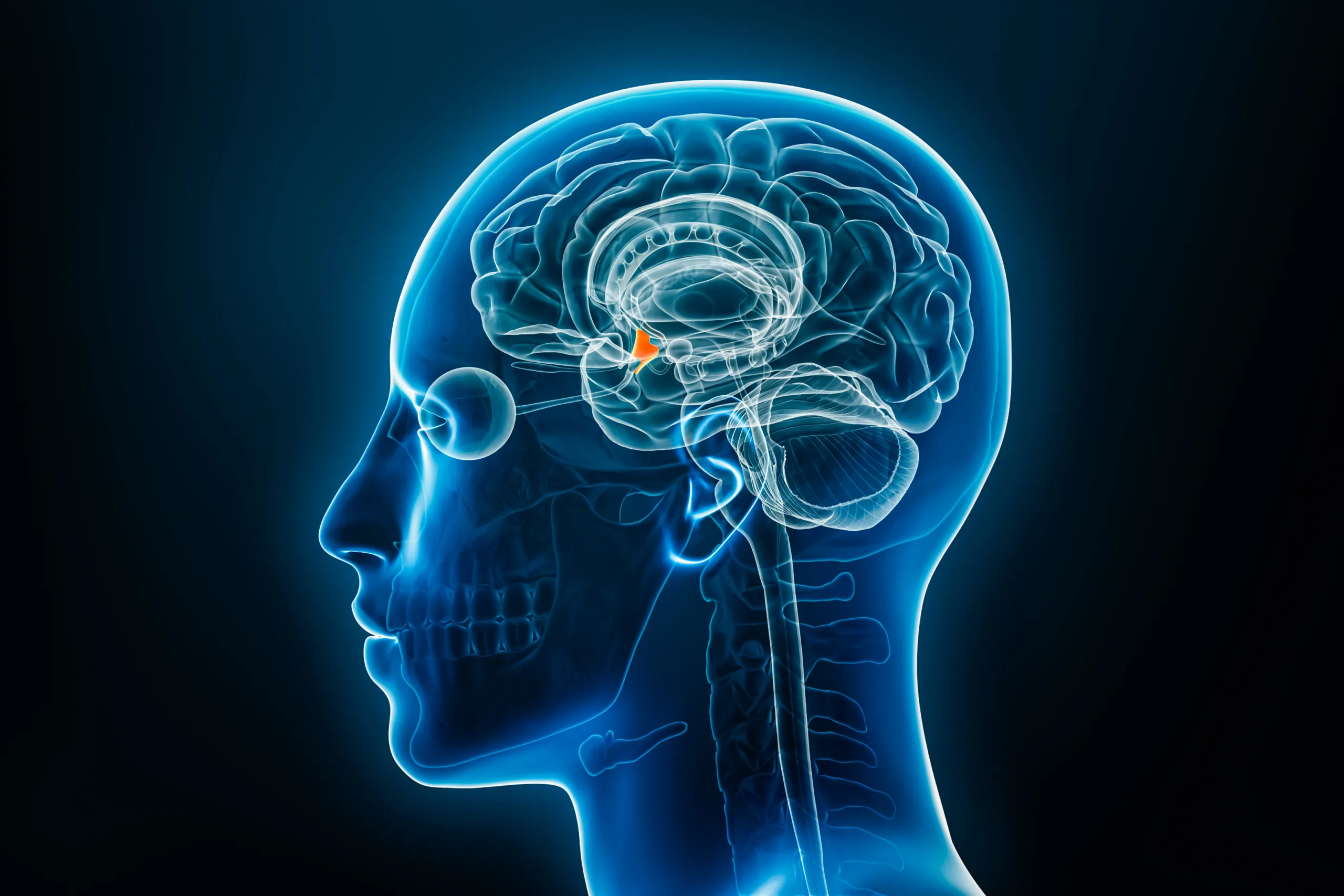
The physiological benefit of carbohydrate mouth rinsing relies on neurology rather than muscle glycogen replenishment. When carbohydrate-sensitive receptors in the mouth are activated, they send immediate neural signals to the brain regions responsible for reward and motor control.
- Neural Signaling: Signals travel rapidly to central nervous system pathways governing movement and motivation.
- Perceived Exertion: Studies suggest the brain may allow a slightly greater muscular output at a similar perceived level of effort.
- Bypassing Digestion: Because the compound is not digested or absorbed in the stomach, the central nervous system responds almost instantaneously.
As Dominic D’Agostino, PhD, associate professor in the Department of Molecular Pharmacology and Physiology at USF Morsani College of Medicine, explains:
“Carbohydrate can act as a signal as well as a fuel. Rinsing and spitting out a carbohydrate solution supplies negligible energy, yet brain imaging and stimulation studies show responses in reward and motor control pathways.”
D’Agostino notes that this response is not simply a reaction to sweetness: even maltodextrin, which is relatively nonsweet, triggers the neurological reaction. However, the exact oral receptors and complete pathway remain subjects of ongoing scientific investigation.
What the Latest Research Reveals
Recent scientific literature—including comprehensive systematic reviews and meta-analyses—has evaluated the efficacy of this practice across various athletic contexts. A 2026 systematic review and meta-analysis of 90 controlled trials found that carbohydrate mouth rinsing yields modest improvements in distance, exercise time, speed, and workload. However, it showed no significant overall benefit for maximum power, muscular endurance, or VO2 max, indicating that its utility is highly task-dependent. Furthermore, a 2025 three-level meta-analysis examined postprandial mouth rinsing, noting small ergogenic effects even when performed after a meal.
Despite these findings, critical limitations exist in the current data pool:
- Demographic Bias: Participants in major meta-analyses have been overwhelmingly young (with average participant ages around 25) and predominantly male (exceeding 96 percent in some cohorts).
- Variable Outcomes: While small studies on specific cohorts—such as a 2026 trial on combat-sport athletes—showed notable performance increases, broad generalizations should be approached with caution.
As D’Agostino points out regarding the variability of trial data:
“The evidence supports a small, task-dependent benefit… Small gains can certainly matter in competition, but 12 percent should not be the general expectation.”
Practical Applications and Considerations for Adults 60 and Older
For older adults maintaining an active lifestyle—whether through brisk walking, resistance training, or cycling—understanding the limits and benefits of mouth rinsing is essential.
- Digestive Comfort: Many individuals experience gastrointestinal distress, bloating, or nausea when consuming sports drinks or heavy snacks during intense exertion. Leslie Bonci, MPH, RDN, CSSD, FAND, notes: “I find that many of my athletes shy away from consuming fuel during exercise as they feel bloated/nauseous. A mouth rinse could be a great option for them.”
- Duration and Intensity: Experts suggest the strategy is most appropriate for shorter, high-intensity efforts lasting roughly 30 to 75 minutes, where glycogen depletion is minimal but neural drive can help sustain pace.
- Hydration and Fuel Gaps: Because the solution is spat out, mouth rinsing provides zero hydration and cannot reverse low blood glucose or replenish depleted muscle glycogen stores.
Registered dietitian Tara Collingwood, MS, RDN, CSSD, emphasizes that the practice should remain a minor supplement rather than a cornerstone of nutrition:
“Your foundation is still the same: a well-fueled day, a pre-workout meal or snack, and actually eating or drinking carbohydrate when the session is long enough to need it. The rinse is the garnish, not the meal.”
Collingwood also advises that for longer endurance sessions exceeding two hours, the gut requires actual nutrients, noting that the digestive tract remains adaptable and trainable through proper practice.
Protocol Guidelines for Trying the Technique
For those wishing to incorporate carbohydrate mouth rinsing into a training routine, adherence to evidence-based parameters is recommended:
- Solution Concentration: Use a 6% to 8% solution (such as water-soluble maltodextrin or glucose). Avoid relying solely on artificial sweeteners, as oral carbohydrate detection relies on real carbohydrate structures.
- Volume: Approximately 25 milliliters per rinse.
- Timing: Swish vigorously for 5 to 10 seconds before exercise and periodically (every 5 to 10 minutes) during shorter bouts.
- Testing: Always trial the method during routine training sessions rather than attempting it for the first time during an important event.
Takeaway
Ultimately, while swishing a beverage and spitting it into a receptacle might feel a bit like participating in an overly dramatic wine-tasting class, it offers a fascinating glimpse into how our brains govern physical endurance. Just remember that no amount of neurological persuasion can replace a proper meal—meaning you can experiment with your rinsing technique, but you still have to eat your dinner.
Source:
Carbohydrate sensing in the human mouth: effects on exercise performance and brain activity
https://link.springer.com/article/10.1007/s40279-014-0148-z
Fed, not fasted: is carbohydrate mouth rinsing still ergogenic? A three-level meta-analysis