They say you can’t teach an old dog new tricks, but whoever said that clearly never tried to grow a purple carrot in a backyard container. As we cross the threshold into our “golden years,” we tend to become a bit more selective about what makes it onto our dinner plates. We want flavor, sure, but we also want food that works as hard as we did before retirement. Enter the carrot: the humble, crunchy superstar of the vegetable drawer that has been around for over 1,300 years—roughly the same amount of time some of us feel it takes to get out of bed on a cold Monday morning.
While most of us grew up thinking carrots only came in “safety cone orange,” these vibrant roots actually have a colorful history involving ancient healing powers and romantic love charms. While I can’t promise a bag of baby carrots will reignite your love life quite like a trip to Paris, they certainly offer a host of professional-grade health benefits that our bodies crave as we age.
The Colorful Science of Nutrition
Carrots are far more than just a crunchy snack. They are a complex source of essential vitamins and antioxidants, with different varieties offering unique health advantages. As our nutritional needs shift, the specific pigments in carrots provide targeted support for aging bodies:
- Orange Carrots: These are the most common for a reason. They are packed with beta-carotene, which the body converts into Vitamin A. This is critical for maintaining eye health and supporting the immune system.
- Purple Carrots: These ancient varieties contain anthocyanins. These powerful antioxidants are known for their anti-inflammatory properties and their role in supporting heart health by improving circulation and protecting blood vessels.
- White Carrots: While they lack the vibrant pigments of their cousins, white carrots are an excellent source of dietary fiber, which is essential for maintaining digestive health and stabilizing blood sugar levels.
Cultivation and Gardening Tips
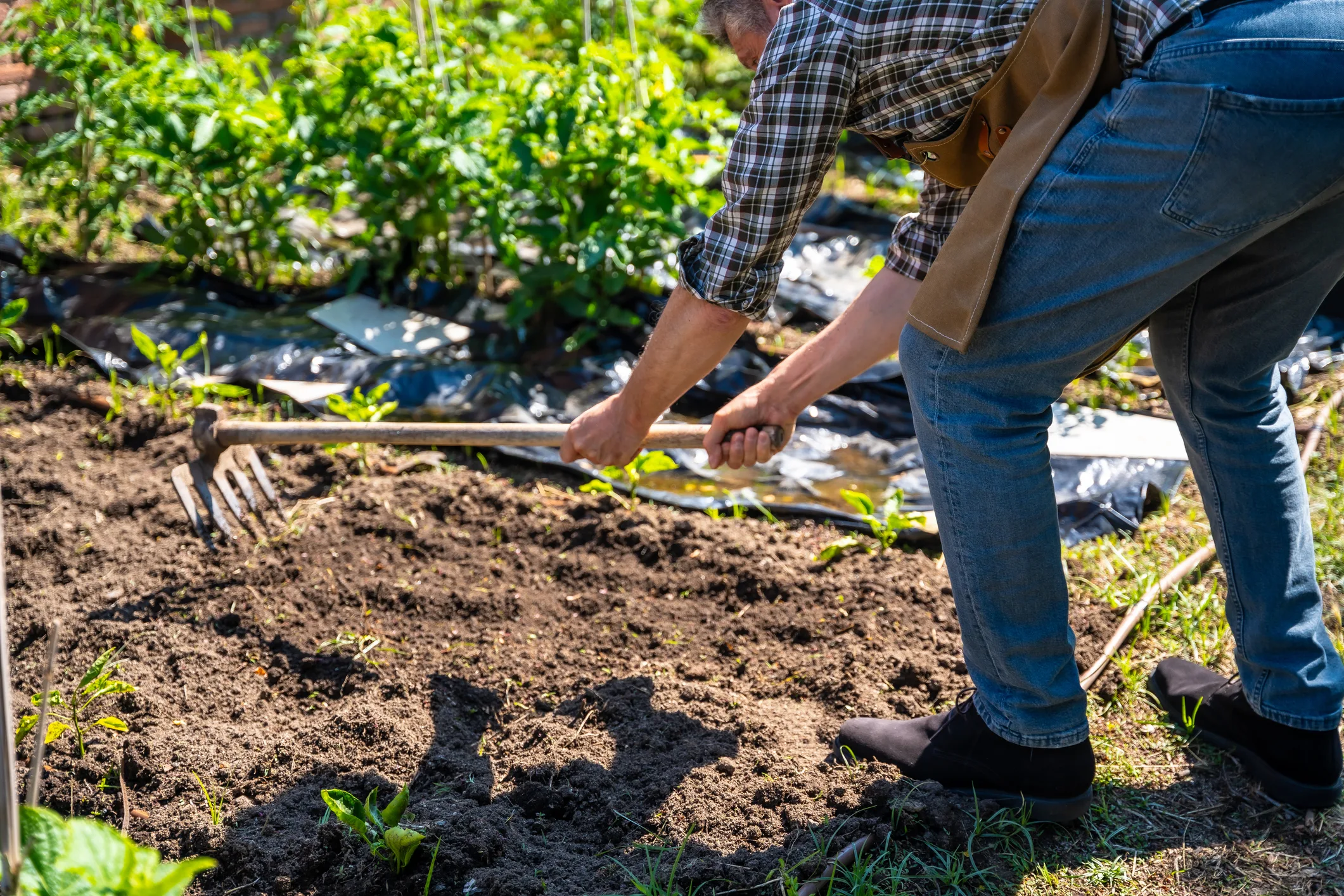
For those who enjoy getting their hands in the dirt, carrots are a remarkably rewarding “two-season” crop. They can be planted in early spring and again in mid-to-late summer for a fall harvest.
- Space and Soil: Carrots require deep, loose, sandy soil to grow straight. If your backyard soil is a bit too “clay-heavy,” they thrive beautifully in containers, provided the pot is at least 10 to 12 inches deep.
- Patience and Care: Carrot seeds are tiny and dislike overcrowding. They require frequent, gentle watering to keep the soil consistently moist. Because they are slow-growing, they serve as a perfect metaphor for the patience we’ve spent a lifetime cultivating.
- Storage Excellence: To maximize shelf life, remove the green tops before storing. Keep the roots unwashed and dry in a sealed container or plastic bag in the refrigerator to maintain their snap.
Versatile Culinary Applications
In the kitchen, carrots are the workhorse of the “holy trinity” (mirepoix), alongside celery and onions. However, they deserve to be the star of the show more often. Professional chefs, including Maria Loi, suggest expanding your repertoire beyond the basic side dish:
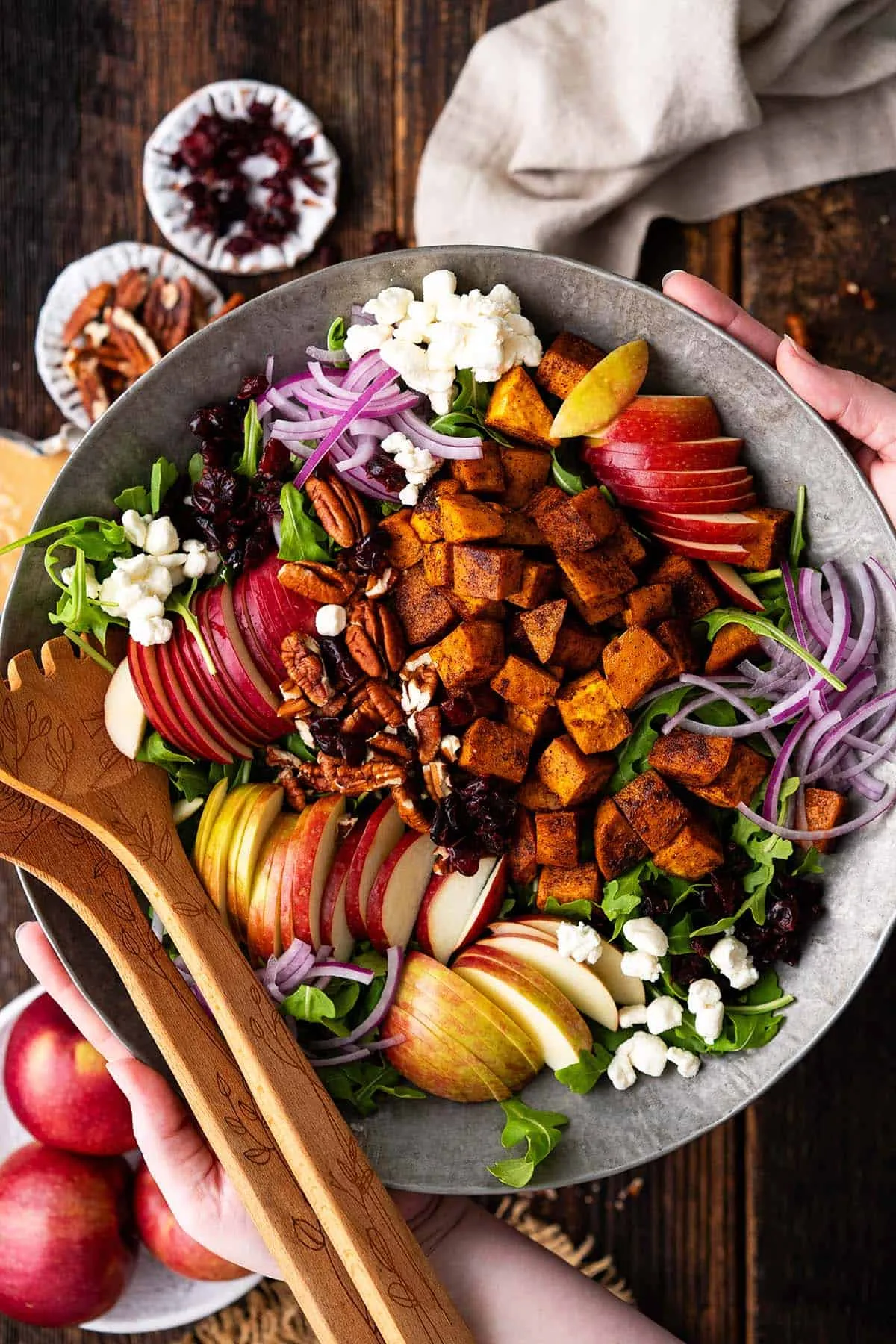
- Roasted and Glazed: Slow-baking carrots with olive oil, salt, and a drizzle of honey brings out their natural sugars, creating a sophisticated side dish that pairs well with lean proteins.
- Savory Purees: Blending carrots with garlic, lemon zest, and Greek yogurt creates a nutrient-dense soup that is easy on the palate and the digestive system.
- Don’t Waste the Tops: Carrot greens are edible and highly nutritious. They can be washed thoroughly and used as a vibrant garnish for salads or processed into a pesto.
- Flavor Profiles: Carrots pair exceptionally well with warm spices like cumin, ginger, and turmeric. If you prefer a savory kick, don’t shy away from smoked paprika or a dash of cayenne.
A Vision for the Future
So, the next time you’re navigating the grocery store or tending to your raised garden beds, give the carrot the respect it deserves. Whether you’re eating them to keep your eyesight sharp enough to read the “fine print” on those insurance forms or just because you enjoy the satisfying crunch, they are a timeless addition to a healthy lifestyle.
Source: