Turning 60 often comes with an uninvited guest: a sudden, hyper-awareness of our own physical plumbing. When a spouse faces a serious diagnosis or a close friend suffers a sudden health scare, it is incredibly easy to look in the mirror and wonder if your own biological warranty is about to expire. But before you start pre-ordering orthopedic shoes in bulk, let’s look at what modern longevity science actually says. According to Dr. Jean-marc Lemaitre, a leading longevity scientist and author of Choose Your Age, hitting 60 isn’t the beginning of the inevitable decline—it’s actually prime time for a major cellular remodel.
Decoupling the Calendar from Your Cells
In longevity science, we separate chronological age (the number of candles on your last birthday cake) from biological age (the actual wear, tear, and vitality of your cells). Clinical tools such as epigenetic clocks, telomere length measurements, and advanced protein analysis allow us to measure this cellular age with extreme precision.
The most liberating discovery in modern cell biology is that less than 7% of our longevity is determined by genetics. The remaining 93% is governed by epigenetic factors—meaning your daily choices dictate which genes are turned on or off. If you are approaching or past 60, your biology is not fixed; it is highly malleable, and the direction of your cellular trajectory can be actively reversed.
The Four Pillars of Cellular Optimization
To systematically lower your biological age and shield yourself from age-related chronic diseases (such as cardiovascular decline, cognitive deterioration, and metabolic dysfunction), clinical evidence points to four foundational lifestyle interventions.
1. Functional Physical Movement
Physical exercise has the most rapid and comprehensive impact on biological age because it targets systemic inflammation.
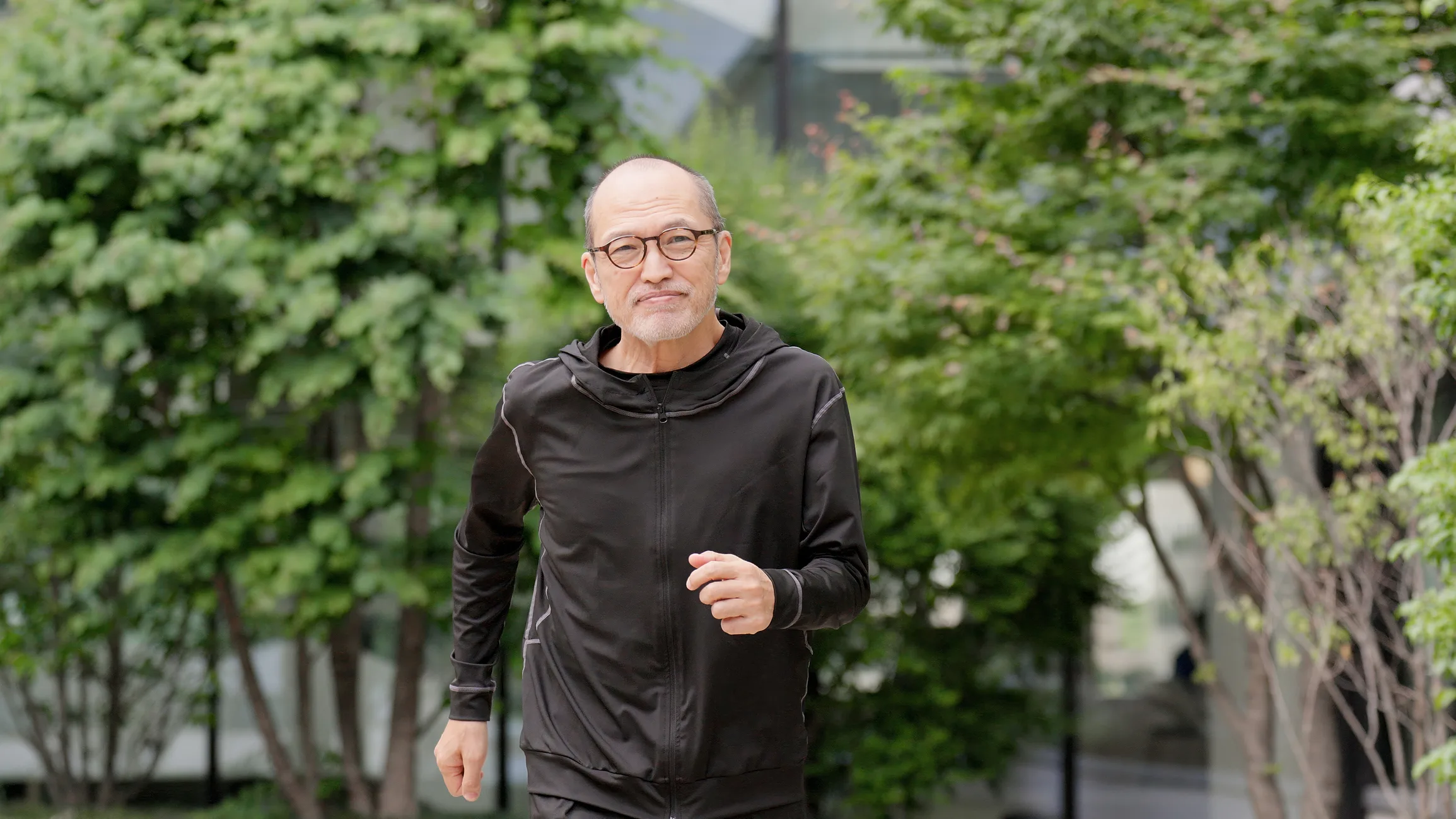
- The Blue Zone Blueprint: Populations with the highest concentration of centenarians do not engage in grueling, high-intensity workouts. Instead, they engage in regular, natural movement throughout the day—walking, climbing stairs, and gardening.
- The Post-60 Protocol: For optimal cellular return, prioritize a dual-pronged approach. Combine aerobic exercise (brisk walking, swimming, or cycling) with resistance training (free weights, resistance bands, or Pilates).
- Muscular Preservation: Resistance training is non-negotiable after 60, as preserving skeletal muscle mass is your primary defense against frailty, metabolic resistance, and metabolic decline.
2. Mitigating Telomeric Atrophy
Chronic psychological stress and depression are not merely emotional states; they are molecularly destructive forces.
- The Cellular Cost of Stress: Prolonged stress accelerates the shortening of telomeres—the protective caps at the ends of our chromosomes that dictate cell lifespan. Clinical data shows that severe chronic stress or depression can add four to ten years to your telomeric age.
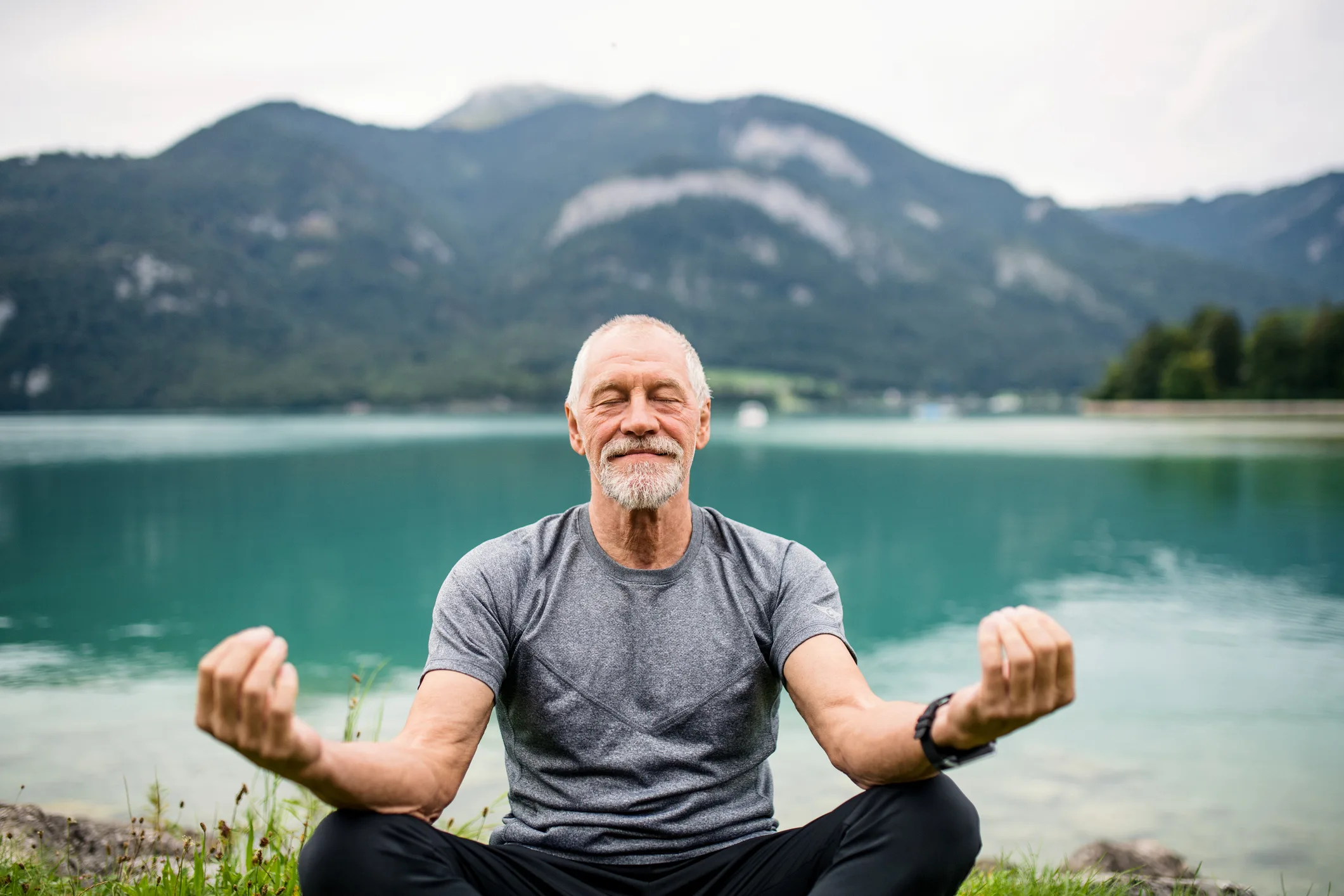
- Neurological Interventions: Mind-body interventions such as yoga, targeted breathwork, and meditation produce measurable, positive shifts in stress hormones and epigenetic markers.
- The Green Prescription: Spending a minimum of two hours per week in natural environments has been clinically shown to reduce systemic cortisol and favorably impact biological age markers.
3. Nutritional Biochemistry and Autophagy
What you consume provides the literal building blocks for cellular repair.
- The Mediterranean Framework: Decades of peer-reviewed research consistently validate a Mediterranean dietary pattern—heavy in extra virgin olive oil, oily fish, legumes, and diverse vegetables—for its potent anti-inflammatory properties.
- The Protein Requirement Shift: Many adults inadvertently under-consume protein as they age. However, protein requirements actually increase past age 65 to prevent sarcopenia (muscle wasting). Ensure adequate intake through high-quality sources like eggs, wild-caught fish, and Greek yogurt.
- Time-Restricted Eating: Implementing a simple 14-hour overnight fasting window triggers autophagy. This is the body’s innate cellular recycling process, where cells clear out damaged proteins and dysfunctional components, effectively cleaning the cellular slate.
4. Social Integration as Clinical Medicine
Human beings are biologically wired for community. Loneliness and social isolation trigger a neuroendocrine alarm state that accelerates cellular aging.
- The Inflammatory Toll: Isolation elevates baseline inflammatory markers, shortens telomeres, and compromises immune resilience.
- Connection as a Necessity: Rebuilding and maintaining deep social connections, joining community groups, or simply sharing time in nature with a friend should not be viewed as a leisure activity. It is a biological necessity and an essential component of preventative medicine.
The 8-Week Biological Turnaround
The speed with which human biology responds to intervention is remarkable. In a controlled clinical pilot study highlighted by Dr. Lemaitre, sedentary, stressed adults who underwent an eight-week protocol experienced an average reduction of 3.4 years in their biological age.
To replicate these cellular improvements, aim for the following daily and weekly targets:
| Intervention | Weekly Target Protocol |
| Nutrition | Mediterranean diet; 14-hour overnight fast |
| Strength | 2 dedicated resistance/weight sessions per week |
| Aerobic | Daily movement (brisk walking, swimming, cycling) |
| Mindfulness | 20 minutes of daily yoga, meditation, or breathwork |
| Rest | 7 to 8 hours of quality sleep per night |
| Supplementation | Omega-3 and Vitamin D (clinically proven to aid age) |
Takeaway
Ultimately, your biology is highly cooperative; it simply requires the correct inputs. Clinical data consistently shows that a mindset of optimism correlates heavily with superior health outcomes and longevity. You are not a ticking clock, nor are you a passive bystander to your own aging process. You are a sophisticated biological organism entirely capable of self-repair and renewal. The scientific data proves you have the power to rewrite your cellular future. And let’s be entirely honest—actively reversing your biological age by a few years is the ultimate, scientifically validated way to look at the younger generations and politely say, “Catch me if you can.”