If you’ve recently reached the age where your back makes more noise than your microwave or you’ve started celebrating the fact that you went to the grocery store and actually remembered the one thing you went there for, the idea of living to 100 might sound like a mixed blessing. We’ve all seen those news clips of centenarians being asked for their secret to longevity, only for them to credit something like “a daily glass of whiskey and minding my own business.” While that sounds like a retirement plan we can all get behind, scientists have been digging a bit deeper into the actual biological blueprints of those who cross the 100-year finish line. As it turns out, the secret isn’t just in the scotch—it’s in the blood.
The Biological Blueprint of Longevity
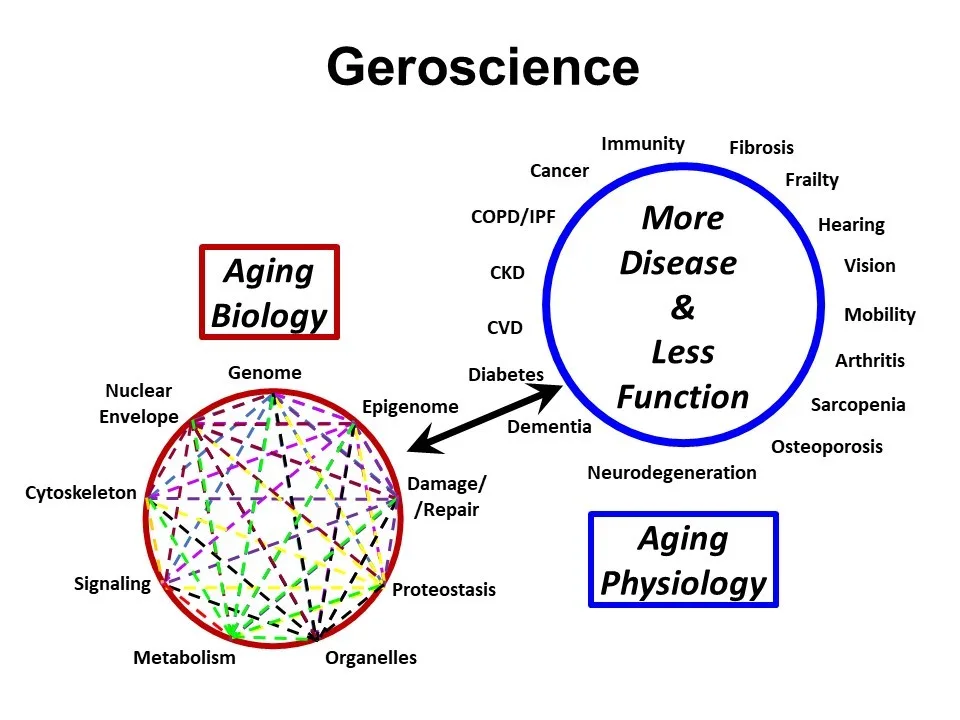
New research published in Aging Cell and highlighted by recent clinical reports has taken an unprecedented look at the blood profiles of centenarians. For years, aging was viewed as an inevitable, uniform decline of the body’s systems. However, the study of “extreme loners” (those living past 100) reveals that their biological aging process looks fundamentally different from the average population.
The core of this research focuses on specific biomarkers in the blood that act as indicators of metabolic and immune health. Scientists have discovered that centenarians often possess a unique molecular signature that allows them to maintain homeostasis—the body’s internal balance—long after their peers have succumbed to age-related pathologies. This suggests that longevity is not merely the absence of disease, but an active biological defense mechanism.
Key Blood Markers and Metabolic Efficiency|
The data reveals several specific areas where the blood chemistry of centenarians differs significantly from those who experience more rapid decline. These findings provide a roadmap for what “healthy aging” looks like at a cellular level.
- Glucose and Insulin Regulation: Centenarians tend to maintain lower, more stable blood glucose levels and higher insulin sensitivity. This prevents the “glycation” of proteins, a process that can damage tissues and accelerate the aging of organs.
- Inflammatory Control: The research identifies lower levels of pro-inflammatory cytokines in the blood of long-lived individuals. By keeping “inflammaging”—the chronic, low-grade inflammation associated with older age—at bay, these individuals protect themselves against cardiovascular disease and cognitive decline.
- Lipid Profiles: Contrary to some traditional medical assumptions, centenarians often display specific lipid ratios that prioritize cellular membrane integrity and efficient energy transport, rather than just low total cholesterol.
- Creatinine and Kidney Function: Maintaining efficient filtration and waste removal through the kidneys is a hallmark of the centenarian blood profile, suggesting that renal health is a primary pillar of extreme longevity.
The Role of Cellular Resilience
Beyond basic chemistry, the Aging Cell study explores how these individuals handle oxidative stress. Every day, our cells face damage from environmental factors and internal metabolic processes. Most people experience a gradual accumulation of this “cellular trash,” but centenarians appear to have more robust cellular repair mechanisms.
Their blood shows higher concentrations of protective proteins that assist in “autophagy”—the body’s way of cleaning out damaged cells to make room for new ones. This efficient “housekeeping” prevents the buildup of senescent cells, often called “zombie cells,” which linger in the body and secrete harmful substances that damage neighboring healthy tissue.
Implications for the “Younger” Older Adult
While genetics play a role in reaching age 100, researchers emphasize that these blood profiles are not entirely predetermined. For adults in their 50s, 60s, and 70s, understanding these mechanisms offers actionable insights into life extension and, more importantly, “healthspan” extension.
- Monitoring Metabolic Health: Regular blood work focusing on HbA1c and fasting insulin can help individuals mirror the metabolic stability found in centenarians.
- Nutritional Intervention: Diets high in antioxidants and polyphenols support the same anti-inflammatory pathways observed in the study.
- Lifestyle Synergy: Physical activity and stress management are shown to directly influence the very myokines and hormones that regulate the cellular repair processes discussed in the findings.
Takeaway
So, while we might not all be destined to receive a birthday card from the White House on our 100th, the science shows that we have a lot more control over our “biological speedometer” than we once thought. You don’t necessarily need the genetics of a superhero to age gracefully; you just need to keep your blood chemistry from throwing a mid-life tantrum. In the meantime, feel free to keep up with the “minding your own business” part of the centenarian secret—it may not lower your creatinine levels, but it certainly does wonders for your blood pressure. Here’s to living long enough to become a biological mystery ourselves, or at least long enough to see our grandkids finally figure out how to fold a fitted sheet!
Source:
Plasma Proteome Profiling of Centenarian Across Switzerland Reveals Key Youth-Associated Proteins
Centenarians’ blood sheds light on the mechanisms of longevity