If you have ever found yourself staring at a pair of dumbbells and wondering whether your joints signed up for this stage of life, you are not alone. Exercising after 60 is essential for keeping sarcopenia (age-related muscle loss) at bay, yet muster and motivation do not always arrive on command—especially if you prefer exercising on an empty stomach before breakfast. However, intriguing new scientific research suggests that boosting your workout output might be as simple as taking a whiff of dark chocolate. Yes, really: no chewing required, and zero calories added to your daily tally.
The Science of Olfactory Stimulation and Muscle Performance
A study published in Frontiers in Physiology (Fan et al., 2026) explored the psychobiological connection between olfactory cues, appetite perception, and resistance exercise capacity. Researchers evaluated how exposure to food-related scents—specifically 90% dark chocolate, 60% milk chocolate, and an odorless control—impacted performance during strength training in a fasted state.
The key scientific findings include:
- Increased Exercise Capacity: Participants exposed to the 90% dark chocolate scent performed significantly more exercise volume (+18 total repetitions to volitional exhaustion) compared to the control condition. Exposure to the milk chocolate scent also improved output (+9 repetitions).
- Appetite and Satiety Modulation: Inhaling the bitter, intense scent of dark chocolate reduced subjective hunger ratings and increased perceived fullness prior to exercise. In contrast, milk chocolate increased odor pleasantness without the same degree of appetite suppression.
- Unchanged Perceived Exertion: Remarkably, while physical workload and overall rep volume increased under the influence of the dark chocolate odor, ratings of perceived exertion (RPE) remained identical to the control group. Participants moved more total weight without feeling like they worked harder.
Neurological Mechanisms: How Scent Influences the Body
The connection between smelling chocolate and lifting heavier or longer relies on key neurobiological pathways connecting the nose directly to the brain:
1. The Limbic-Hypothalamic Axis
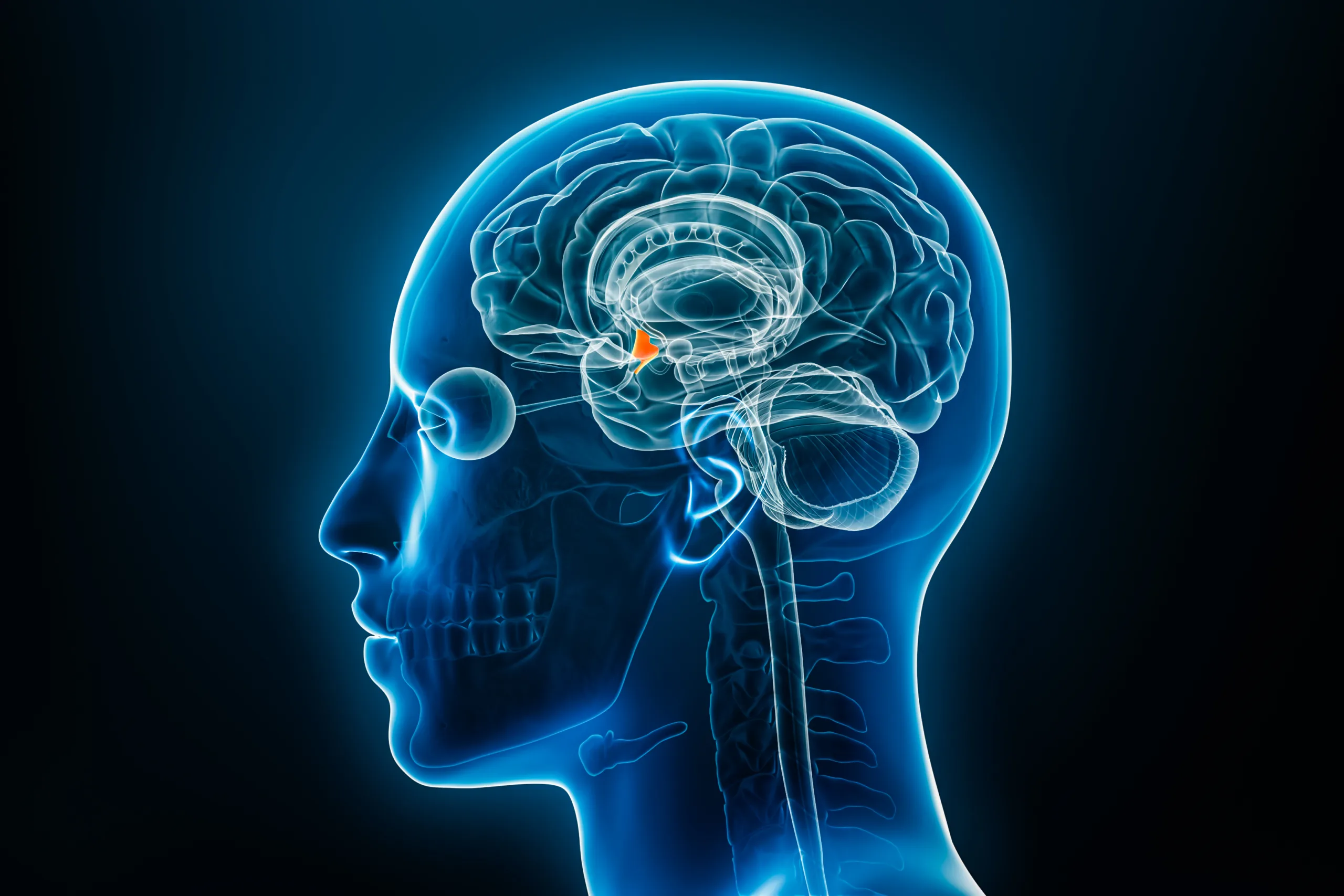
The olfactory bulb has direct neural projections to the limbic system (which processes emotion and reward) and the hypothalamus (the central regulator of energy balance and appetite). Bitter or intense cocoa aromatics can trigger central signals of satiety, tricking the brain into perceiving energy sufficiency even during a short-term fast.
2. Psychobiological Fatigue Delay
Hunger and central fatigue share overlapping neural signaling. By blunting acute hunger cues before a workout, olfactory stimulation reduces central fatigue signaling. This allows motor unit recruitment to persist longer during resistance sets without increasing the subjective sensation of strain.
Practical Applications for Adults Age 60 and Older
For older adults, maintaining skeletal muscle mass, bone density, and functional mobility requires consistent resistance training. However, morning exercise on an empty stomach can sometimes feel sluggish due to low energy or acute hunger signals.
Here is how you can practically apply these physiological principles into your routine:
- Incorporate Aromatherapy Before Strength Sets: Keeping an essential oil diffuser or a small bottle of high-cocoa dark chocolate extract near your workout area may provide a simple, non-ingestive psychological boost prior to lifting weights or using resistance bands.
- Support Fasted Workouts Without Gastrointestinal Distress: Older adults frequently experience delayed gastric emptying or digestive discomfort when exercising after a meal. Utilizing olfactory cues provides a non-ingestive strategy to manage appetite during pre-breakfast physical activity.
- Focus on Progressive Overload: The primary driver of muscle preservation in older age is volume—completing adequate sets and repetitions near exertion limits. Utilizing sensory cues to safely add an extra rep or two per set helps stimulate muscle protein synthesis over time.
Takeaway
While smelling a bar of dark chocolate will not magically transform anyone into an Olympic powerlifter overnight, the physiological link between scent, brain chemistry, and physical exertion is surprisingly real. If inhaling a bit of rich cocoa aroma helps squeeze out two extra repetitions on the leg press without making your knees file a formal complaint, it may well be worth keeping a scent bottle in your gym bag. After all, using your nose to keep your muscles strong is perhaps the most enjoyable compromise modern exercise science has offered us yet.
Source: