Let’s face it: our brains, like our bodies, aren’t immune to the passage of time. We might notice those fleeting moments of “where did I put my keys?” or struggle to recall a name that was once on the tip of our tongue. These aren’t just quirky aging quirks; they reflect real physiological changes, like shrinking brain volume and weakening neural connections. And yes, the specter of dementia, with its various forms, looms larger as we age.
But here’s the empowering truth: you’re not a passive observer in this process. You have the power to tip the scales in favor of cognitive health. As Dr. Joel Salinas from NYU Grossman School of Medicine puts it, “Think of it like a seesaw: risks on one side, protective factors on the other.” Even if your family history whispers of dementia, you can load up the “protective” side with lifestyle choices that make a real difference.
A groundbreaking 2024 report in The Lancet suggests that nearly half of dementia cases worldwide could be delayed or even prevented through simple lifestyle tweaks. And these same tweaks—regular exercise, a balanced diet, stress management, and good sleep—can also help you maintain your mental sharpness as you age. So, let’s dive into the strategies that can keep your mind agile and vibrant.
Fueling Your Brain’s Fire:
Think of these strategies as your brain’s personal trainers and nutritionists:
- Move It, or Lose It: Exercise isn’t just about sculpting a beach-ready physique; it’s brain food! Studies show that regular physical activity actually increases brain volume and significantly reduces dementia risk. Dr. Lon Schneider emphasizes that even moderate activity makes a difference, and Dr. Salinas has seen firsthand how consistent exercise routines lead to remarkable cognitive resilience. So, lace up those sneakers and aim for at least 150 minutes of moderate-intensity activity per week.
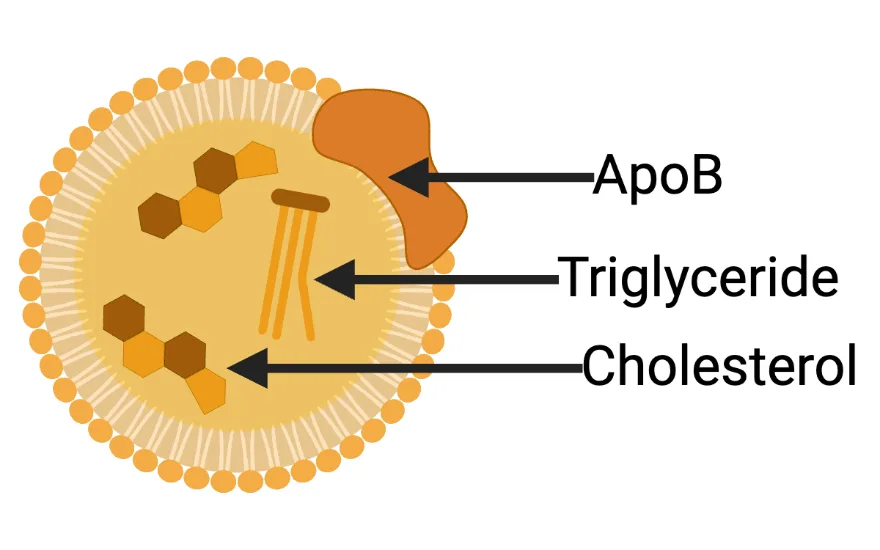
- Heart to Heart (and Brain): The connection between heart health and brain health is undeniable. “What’s good for the heart is good for the brain,” as the saying goes. Quitting smoking, maintaining a healthy weight, and managing those crucial numbers (blood pressure, blood sugar, and cholesterol) are vital for both your ticker and your thinking.
- Eat Your Way to Clarity: Ditch the processed junk and embrace a diet rich in plant-based goodness. The Mediterranean and DASH diets have long been praised for their cognitive benefits. But the MIND diet, specifically designed to protect your brain, takes it a step further. Research suggests it might even be more effective than other diets for maintaining memory and thinking skills.
Beyond Diet and Exercise: The Social and Sensory Connection:
But it’s not just about what you do in the gym or kitchen. Our social connections and sensory experiences play a crucial role too:
- Connect and Thrive: Social isolation is a cognitive kryptonite. Research on “super-agers”—those remarkable individuals over 80 with the memory of someone decades younger—highlights the power of strong, meaningful relationships. Social interaction builds cognitive reserve, reduces stress, and promotes healthy behaviors. So, join a group exercise class, reconnect with old friends, or volunteer your time.
- Listen and See Clearly: Don’t underestimate the impact of hearing and vision loss on your cognitive health. Untreated hearing loss and declining vision are linked to an increased risk of dementia. Addressing these issues with hearing aids or regular eye exams can make a significant difference.
As Susan Resnick from the National Institute on Aging points out, this is a dynamic and evolving field of research. We’re constantly discovering new ways to protect and enhance our cognitive abilities. So, embrace these strategies, stay curious, and empower yourself to live a life filled with mental clarity and vitality.
Source: