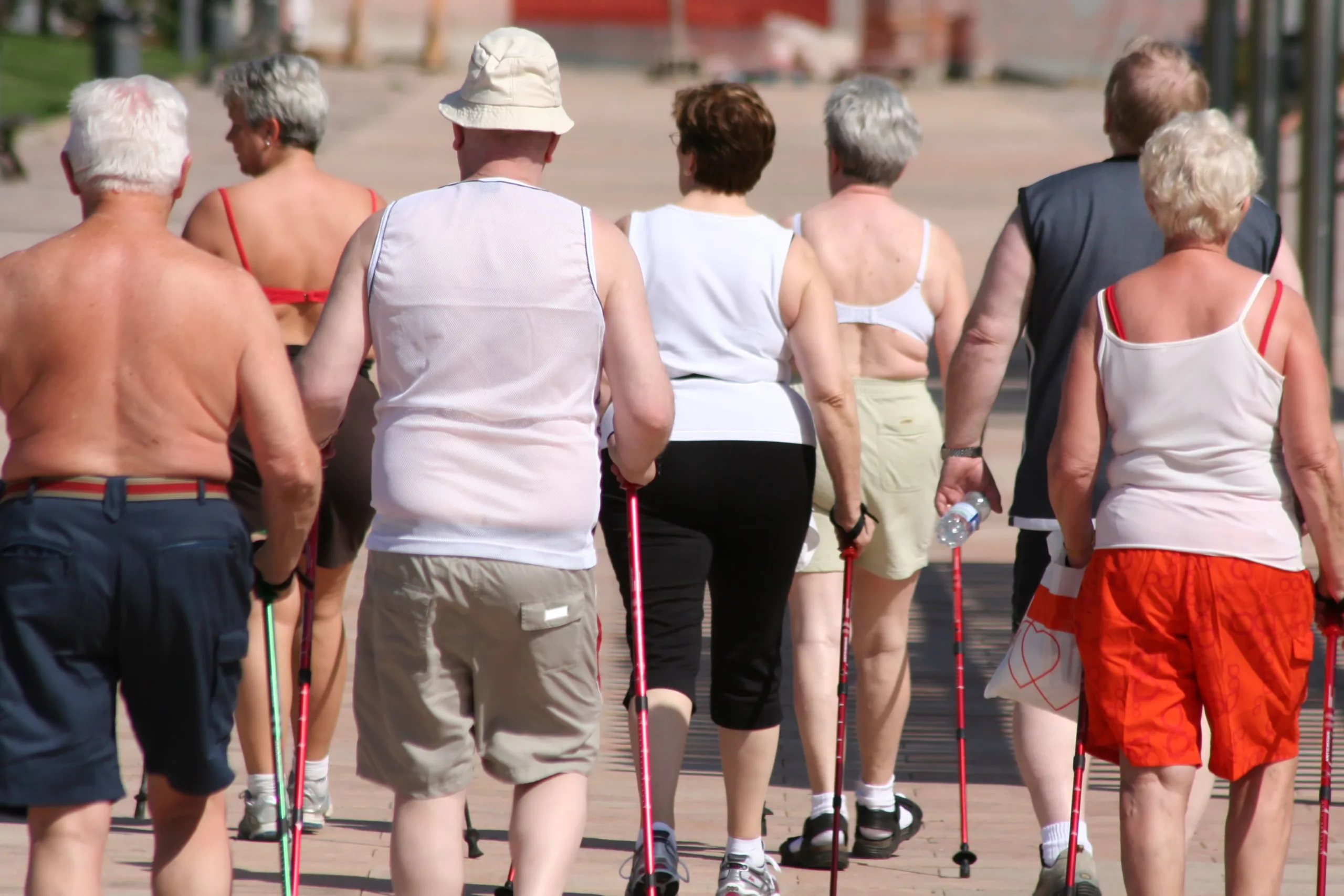
There was a time when your body was like a rented compact car—you could treat it with reckless abandon, skip the oil changes, and it would still zip up a hill without a sputter. But hitting 60 is like waking up to find you’ve been upgraded to a vintage luxury sedan. You’re more stylish, you’ve got better stories, and you definitely command more respect, but the “check engine” light seems to have a more sensitive trigger. The generic advice we’ve leaned on since our twenties—basically “run more and eat a salad”—doesn’t quite cut it anymore. At this stage, your health isn’t about fitting into a certain pair of jeans; it’s about a sophisticated biological recalibration.
The Shift in Vital Statistics
As we cross the half-century mark, our physiological priorities change. According to research on the biology of aging, our bodies undergo a “gradual accumulation of cell damage” and a decline in the ability to maintain homeostasis. This makes us more susceptible to chronic conditions. In fact, data from the National Council on Aging (NCOA) indicates that approximately 93% of adults age 65 and older have at least one chronic condition, and nearly 80% have two or more.
The most common chronic conditions currently facing older adults include:
- Hypertension (High Blood Pressure): Affecting nearly 60% of seniors.
- High Cholesterol: Managed by approximately 47% of the population.
- Arthritis: Impacting 31% of older adults, leading to joint pain and mobility challenges.
- Coronary Heart Disease and Diabetes: Both remain leading causes of mortality and morbidity.
Why Standard Health Advice Changes After 60
A crucial insight from geriatricians is that health advice for a 30-year-old can actually be counterproductive for someone over 60. For instance, while weight loss is often praised in younger years, “thinness” in older age can sometimes be a risk factor for frailty.
- The Protein Paradox: In our younger years, many are told to limit red meat and high-protein intake for heart health. However, after 60, muscle wasting (sarcopenia) becomes a primary threat to independence. Geriatricians now emphasize higher protein intake—spread across all meals—to maintain muscle mass.
- Blood Pressure Targets: While “120/80” is the gold standard for youth, being overly aggressive with blood pressure medication in older adults can lead to dizziness and dangerous falls. Doctors often look for a balance that protects the heart without compromising stability.
- Cholesterol Nuance: Recent studies, including those in the Partners YOUNG-MI Registry, show that while managing lipids is vital, the risk factors for a first heart attack change as we age. In your 60s, the focus shifts from “primary prevention” to managing the cumulative effects of long-term vascular health.
The New Rules of Physical Activity
The NHS and other health organizations have refined exercise guidelines specifically for the 60+ demographic. The goal is no longer just “burning calories,” but preserving “healthspan”—the period of life spent in good health.
Weekly Exercise Recommendations:
- Aerobic Activity: Aim for at least 150 minutes of moderate-intensity activity (like brisk walking or water aerobics) or 75 minutes of vigorous activity (like running) per week.
- Strength Training: This is non-negotiable. You should perform strengthening activities that work all major muscle groups (legs, hips, back, abdomen, chest, shoulders, and arms) at least 2 days a week.
- Balance and Flexibility: To prevent falls—the leading cause of injury in older adults—incorporate activities like Tai Chi, yoga, or specific balance exercises at least twice weekly.
Strategies for Long-Term Management
Managing health in your 60s and beyond requires a proactive, professional approach to preventative care.
- Medication Review: Regularly review your prescriptions with a pharmacist or GP to avoid “polypharmacy” (taking multiple drugs that may interact poorly).
- Regular Screenings: Stay current with screenings for colorectal cancer, mammograms, and bone density tests (DEXA scans).
- Mental Health: Depression is not a “normal” part of aging. Research shows that 1 in 4 older adults experiences a behavioral health issue; seeking professional help is a sign of health management, not weakness.
Takeaway
Think of this new health strategy as moving from “economy” to “first class.” You might spend a little more time in the lounge (or the doctor’s office), and you definitely need better lumbar support, but the view is significantly better from here. You’ve traded the high-impact aerobics for high-impact wisdom. So, keep lifting those weights, keep prioritizing that protein, and don’t be afraid to tell your doctor that your “vintage” status requires a specialist’s touch. After all, you’re not getting older; you’re just becoming a more complex, well-managed classic.
Source:
This Common Health Advice May Not Apply After 50, According to a Geriatrician
The Top 10 Most Common Chronic Conditions in Older Adults
Aging and age-related diseases: from mechanisms to therapeutic strategies